NEET 2024 leak: CBI says no evidence linking key accused Sanjeev Mukhiya to paper’s theft or distribution
Source Entity
Santosh Singh
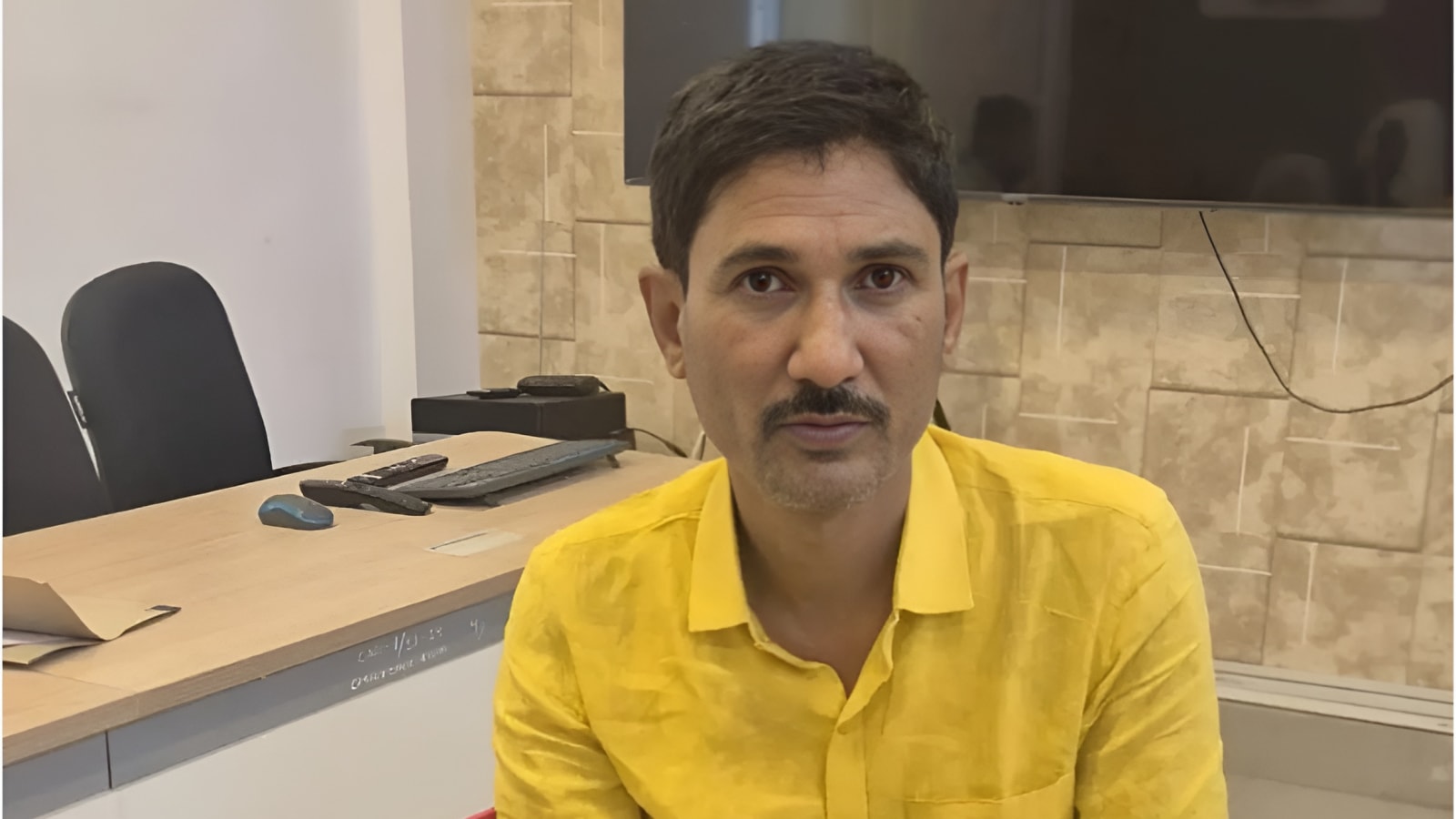
The CBI has cleared Sanjeev Mukhiya of direct involvement in the 2024 NEET-UG paper leak due to lack of evidence. Meanwhile, a Delhi court denied bail to Manoj Shirure in the 2026 case, citing the national damage caused by such examination malpractices.
The Evolving Landscape of NEET Examination Security
The integrity of the National Eligibility cum Entrance Test (NEET-UG) has become a focal point of national scrutiny following repeated allegations of paper leaks. Recent developments highlight the complex nature of these investigations, as the Central Bureau of Investigation (CBI) has officially clarified its position regarding Sanjeev Kumar, also known as Sanjeev Mukhiya, in connection with the 2024 paper leak case. Despite his prior history involving multiple examination scams and an 11-month manhunt, the CBI stated that exhaustive investigative efforts yielded no direct evidence linking him to the specific theft or distribution of the 2024 NEET-UG paper.
Investigative Challenges and Legal Nuance
The case of Sanjeev Mukhiya underscores the difficulties federal agencies face when unraveling multi-state examination syndicates. While Mukhiya was apprehended during a high-profile midnight operation in Patna in April of the previous year, the legal threshold for establishing his culpability in the 2024 incident required concrete, forensic, or testimonial evidence of his involvement in the specific paper leak. The CBI’s decision to grant a clean chit in this instance suggests a strict adherence to evidentiary standards, distinguishing between his known criminal record in other scams and his potential role in the 2024 breach.
Judicial Stance on Examination Integrity
While the CBI continues to refine its scope of investigation regarding specific individuals, the judiciary has taken a firm stance on the broader impact of such scandals. A Delhi court recently denied bail to paediatrician Manoj Shirure, a key accused in the 2026 NEET-UG paper leak case. Special Judge Ajay Gupta noted that the actions of the accused, driven by individual greed, have caused significant disrepute to the nation. This judicial perspective emphasizes that the fallout from examination leaks extends beyond mere logistical failure, affecting the credibility of the entire medical entrance infrastructure.
Broader Implications for Millions of Aspirants
The impact of these leaks is profound, affecting millions of students both in India and abroad who rely on the NEET-UG exam for their medical career prospects. The court observed that such fraudulent activities sabotage the promise of a fair and flawless examination process. When trust in the system is eroded, the resulting uncertainty forces candidates to reconsider their academic investments, potentially discouraging talented individuals from pursuing careers in medicine due to fears of systemic corruption.
Future Trends and Systemic Reform
Moving forward, the dual nature of these cases—the CBI's forensic investigation and the court's focus on national reputation—signals a transition toward greater accountability. The legal system is increasingly viewing examination malpractice not merely as a criminal act of cheating, but as a socio-economic offense that undermines national institutions. As investigative agencies continue to track organized syndicates, the focus will likely shift toward implementing more robust technological safeguards and stringent oversight to prevent future disruptions in the examination cycle.
Conclusion
The ongoing legal battles surrounding the NEET-UG examination reflect a critical juncture in Indian education policy. While the clearance of specific high-profile suspects like Sanjeev Mukhiya demonstrates the necessity of evidence-based prosecution, the denial of bail to figures like Manoj Shirure highlights the judiciary's commitment to protecting the sanctity of national testing. Rebuilding faith in the NEET-UG process will require sustained vigilance and a comprehensive approach to securing the entire examination pipeline against organized criminal interference.