NEET-UG 2026 paper leak: 111 of 136 questions on Latur tutor’s phone matched NTA master set, CBI tells Delhi court
Source Entity
Nirbhay Thakur
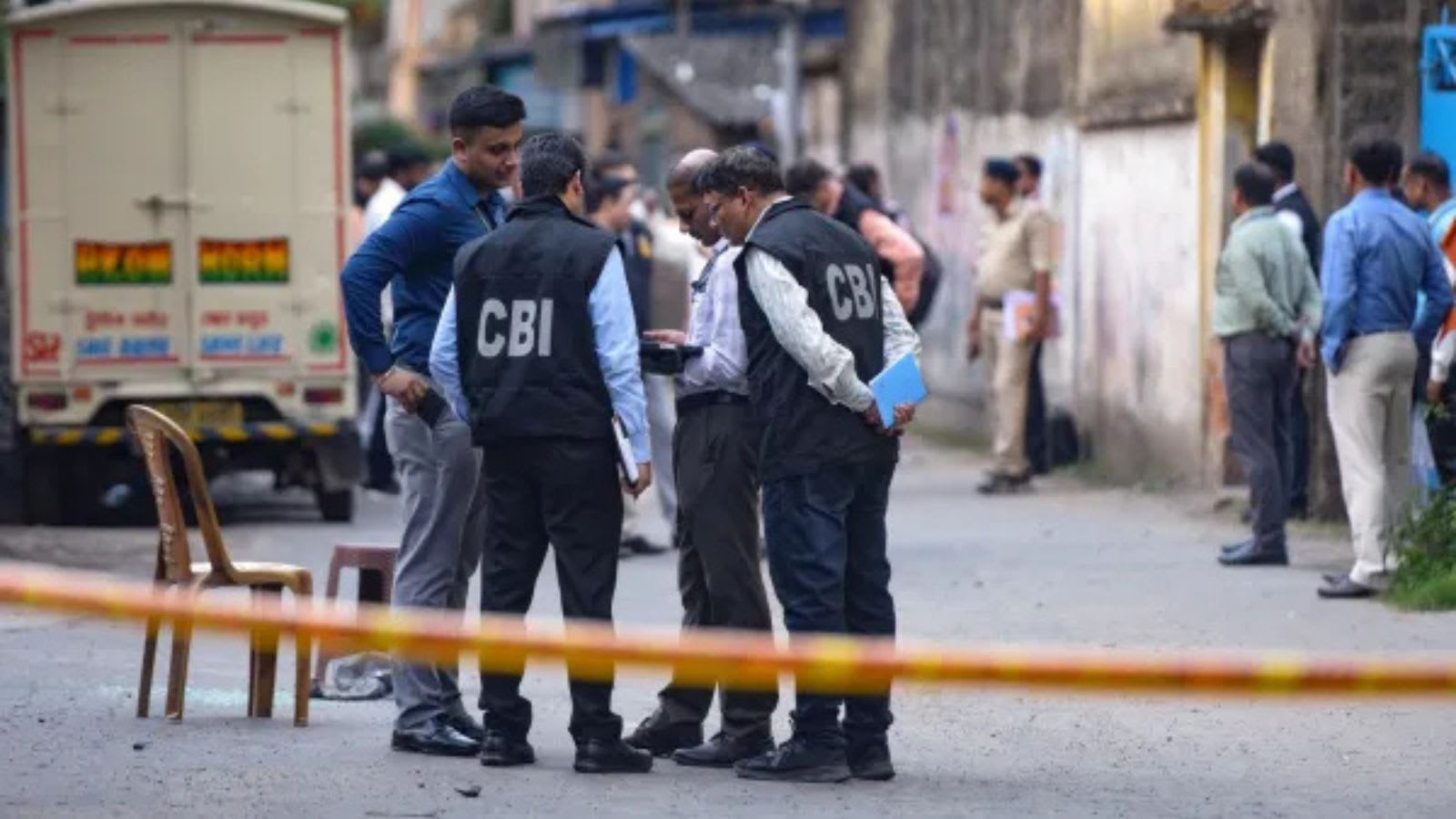
The CBI has informed a Delhi court that 111 out of 136 questions found on a Latur tutor's phone match the NTA's master set for the NEET-UG 2026 exam. The agency has arrested 13 individuals across multiple Indian cities, highlighting a widespread paper leak conspiracy.
The Erosion of Academic Integrity: Analyzing the NEET-UG 2026 Paper Leak
The revelation by the Central Bureau of Investigation (CBI) regarding the NEET-UG 2026 paper leak marks a critical juncture in the struggle to maintain the sanctity of India's most competitive medical entrance examinations. By informing a Delhi court that an overwhelming 111 out of 136 questions discovered on a tutor's phone in Latur matched the National Testing Agency (NTA) master set, the CBI has provided what appears to be a 'smoking gun.' This level of correlation is statistically impossible without direct access to the confidential examination materials, pointing to a systemic breach of security within the NTA's distribution or storage protocols.
The Latur Connection and the Network of Collusion
The involvement of a tutor from Latur is particularly telling, as it suggests that the leak was not merely a random act of theft but a targeted operation designed to benefit specific coaching hubs. The fact that the CBI has already made 13 arrests across a vast geographic expanse—including Delhi, Jaipur, Gurgaon, Nashik, Pune, Latur, and Ahilyanagar—indicates a highly organized, multi-state syndicate. This network likely involved a combination of insiders within the testing agency, middlemen, and opportunistic educators who leveraged their positions of trust to provide students with an unfair advantage, thereby commodifying the dream of a medical career.
Institutional Vulnerability and the NTA's Challenge
This incident brings the operational security of the National Testing Agency (NTA) under intense scrutiny. The 'master set' is intended to be the most secure version of the exam, accessible only to a handful of authorized personnel. The leak of such a significant portion of this set suggests a failure in the digital or physical chain of custody. Historically, India has struggled with paper leaks in high-stakes exams, but the scale of this breach—spanning multiple cities and involving professional tutors—highlights a persistent vulnerability in how national-level assessments are managed and protected from sophisticated criminal enterprises.
Societal Implications and the Crisis of Meritocracy
Beyond the legal ramifications, the NEET-UG 2026 leak strikes at the heart of meritocracy. For millions of students who spend years in rigorous study, the knowledge that a select few could purchase the answers creates a profound sense of injustice and psychological distress. When the gateway to a professional degree is compromised, it devalues the qualification itself and undermines public trust in the healthcare system, as the potential for unqualified individuals to enter medical schools increases. This creates a ripple effect where the integrity of the entire medical profession is called into question.
Future Trends: The Path Toward Secure Testing
Looking forward, this crisis will likely accelerate the shift toward more secure, technology-driven examination models. We can expect the government to push for 'end-to-end encryption' of question papers, where the content is only decrypted on the student's screen seconds before the exam begins. Furthermore, there will likely be a call for harsher legislative penalties for those involved in paper leaks, treating such crimes as offenses against the state rather than simple fraud. The CBI's current investigation will serve as a benchmark for how the judiciary handles the intersection of academic fraud and organized crime.
Conclusion
The NEET-UG 2026 scandal is more than a criminal case; it is a symptom of a deeper systemic failure in the administration of competitive exams in India. The evidence found on the Latur tutor's phone and the subsequent arrests across seven cities underscore the sophistication of the leak network. Until there is a fundamental overhaul of the NTA's security architecture and a zero-tolerance approach to academic corruption, the integrity of India's professional admissions will remain under threat.