Express in Nepal: At search and rescue hub, helicopters, stench of death
Source Entity
Devansh Mittal
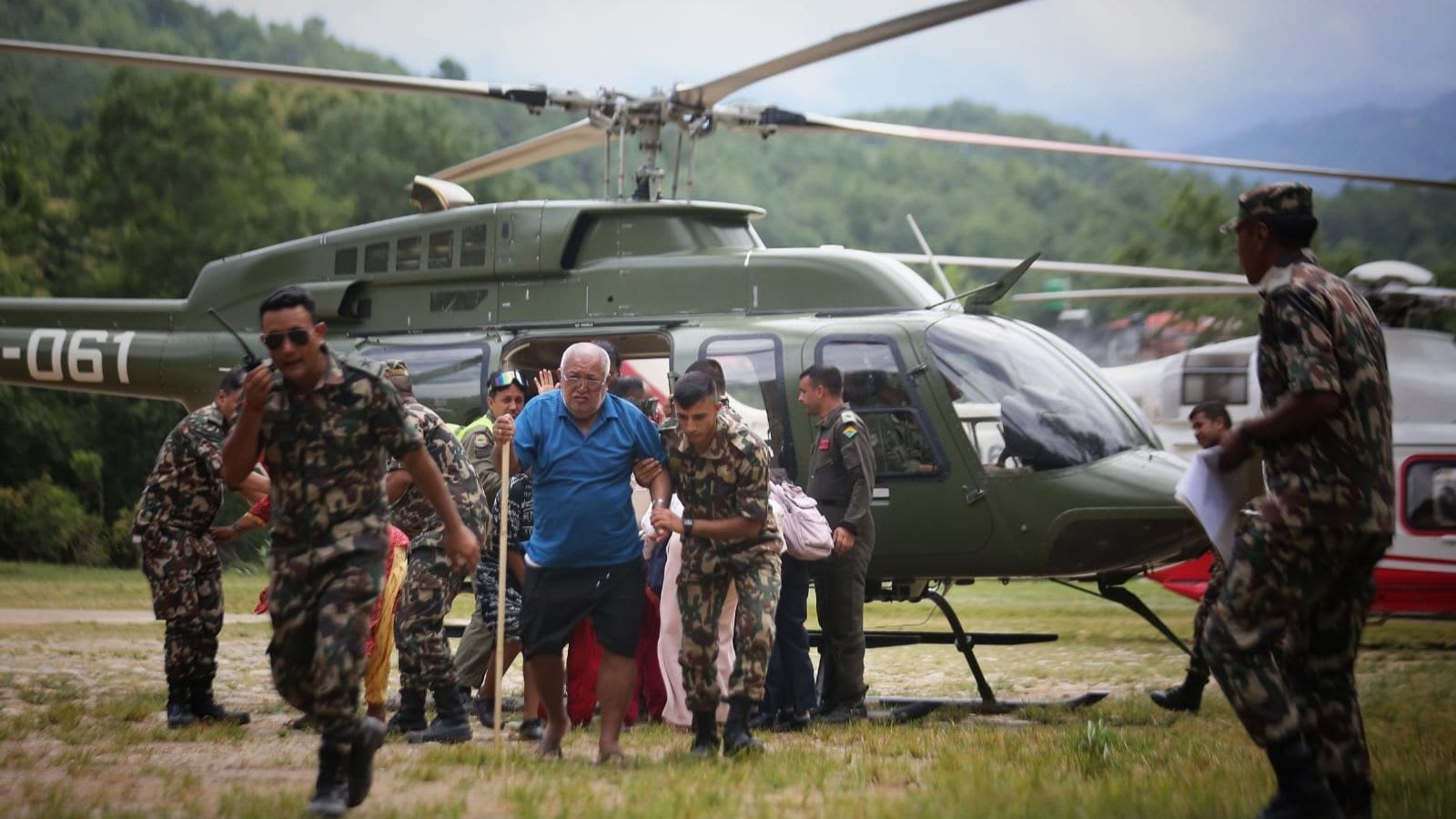
Devastating flash floods in Nepal's Rasuwa district have left many missing, including workers and pilgrims. Rescue operations are ongoing amid reports of destroyed infrastructure and families searching for lost loved ones.
The Tragic Aftermath of Nepal's Flash Floods
A catastrophic flash flood event has struck the Rasuwa district in Nepal’s Bagmati province, leaving a trail of destruction, displacement, and profound human loss. The disaster, characterized by a sudden, overwhelming wall of mud, rock, and water, has decimated local infrastructure and disrupted the lives of both residents and visitors. As search and rescue operations enter their critical third day, the scale of the tragedy is becoming increasingly clear through the harrowing testimonies of survivors and the desperate wait of families seeking information.
The Human Toll and Heroic Warnings
The human element of this disaster is starkly illustrated by the actions of individuals like Milan Kharil, a 32-year-old geologist at the Trishuli 1 hydropower plant. In a final act of professional responsibility and courage, Kharil alerted a junior colleague to seek higher ground just minutes before the flood hit the facility. His subsequent disappearance, marked by a final location ping that suggests he was caught in the rapid path of the deluge, underscores the sheer speed and ferocity of the floodwaters.
Survivor Trauma and Loss of Livelihood
For local residents like Shyam Lal Thapa, the disaster has resulted in the total collapse of their ancestral way of life. Thapa, a 52-year-old farmer, recounts the visceral terror of the event, specifically the moment the current proved too powerful to hold onto his wife, Gyanu. The trauma extends beyond the immediate loss of life; survivors are now grappling with the destruction of the paddy fields that have sustained their families for generations, leaving them in a state of precarious displacement at relief camps.
Uncertainty for Pilgrims and Travelers
Beyond the local population, the floods have cast a shadow over those visiting the region, including tourists and pilgrims. The case of Aparna and Sameer Joshi, a Thane-based couple on their first trip to Nepal for the Kailash-Mansarovar Yatra, highlights the anxiety faced by families abroad. With no communication since August 26, their kin are left in a agonizing state of limbo, waiting for updates from authorities as rescue teams navigate the challenging, debris-strewn terrain near the Nepal-Tibet border.
Environmental and Structural Implications
The severity of the situation is compounded by the geography of the Rasuwa district, a region prone to geological instability. The transformation of a working hydropower site and agricultural land into a landscape defined by 'swathes of mud and debris' points to the extreme environmental impact of these flash floods. The cordoning off of riverfront areas and the necessity of airlifting survivors indicate that the damage to local infrastructure is extensive, likely requiring long-term recovery efforts.
Future Outlook and Conclusion
As rescue efforts continue, the focus remains on locating the missing and providing support to the traumatized survivors. The combination of missing workers, displaced farmers, and untraceable pilgrims presents a multifaceted challenge for local authorities and international support teams. Looking forward, the event will likely trigger a rigorous review of disaster management protocols and geological safety standards for infrastructure projects in high-risk Himalayan regions, as the community attempts to process the sudden and devastating loss caused by this surge of water and debris.