Nepal Floods Took Away His Home, Business. At 71, He Is Left With Just Debt
Source Entity
NDTV News Search Records Found 1000
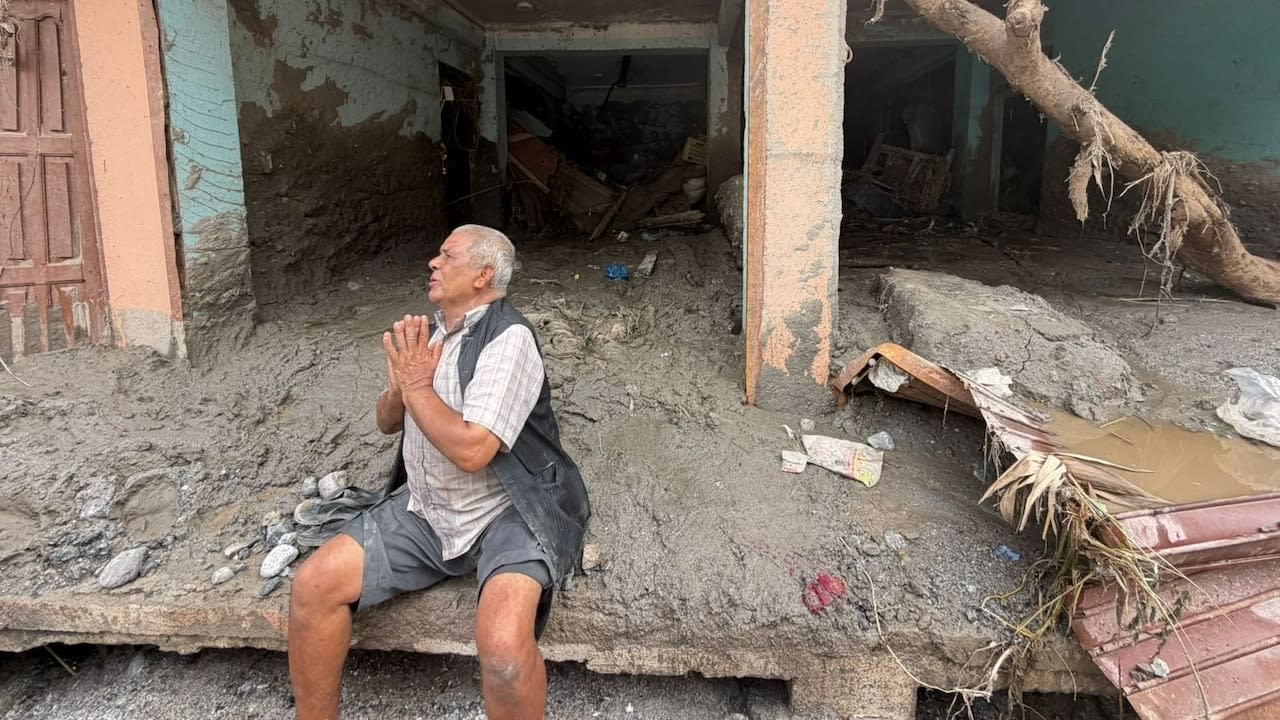
71-year-old Govind Prasad Dahal faces severe financial and personal ruin after losing his home and business in Nepal's August 26 floods. His plight highlights the devastating intersection of climate-induced disasters and the lack of financial safety nets for the elderly.
The Human Cost of Nepal's Catastrophic Flooding
On August 26, the life of 71-year-old Govind Prasad Dahal was irrevocably altered when devastating floods swept through his community. In a single event, Dahal lost both his residence and his livelihood, leaving him in a state of profound vulnerability. At an age when many look toward stability and retirement, Dahal is instead confronted with the total erasure of his life's work and the crushing weight of existing debt, which remains even after his assets have been destroyed.
A Crisis of Economic Instability
The situation facing Dahal is not merely a tragedy of property loss but a stark illustration of the precarious nature of economic survival in flood-prone regions of Nepal. When a small business is obliterated by natural disaster, the owner is often left without a source of income to service existing loans. This creates a cycle of debt that is particularly difficult to escape for elderly citizens who lack the physical capacity to rebuild or the creditworthiness to secure new financing for recovery.
Climate Vulnerability and Infrastructure
Nepal’s geography makes it uniquely susceptible to extreme weather events, including monsoon-driven floods and landslides. The loss experienced by Dahal serves as a microcosm of a broader national crisis, where infrastructure often fails to withstand the increasing intensity of climate-related disasters. These events frequently target the most vulnerable populations, whose homes and businesses are situated in high-risk zones, often due to historical settlement patterns or a lack of alternative land options.
The Absence of Formal Social Safety Nets
One of the most alarming aspects of Dahal’s case is the lack of institutional support for elderly individuals who lose their primary means of self-sufficiency. In many developing nations, the reliance on self-employment as a retirement strategy leaves individuals dangerously exposed to environmental shocks. Without comprehensive insurance or government-backed disaster recovery programs specifically designed for small-scale entrepreneurs, victims like Dahal are left to navigate the aftermath of trauma and insolvency alone.
Socio-Economic Implications for the Elderly
The psychological and economic toll on someone of Dahal's age cannot be overstated. Beyond the tangible loss of his home and business, the loss of independence is a significant factor in the long-term well-being of the elderly. As Nepal continues to grapple with the impacts of climate change, the story of Govind Prasad Dahal stands as a sobering reminder that disaster recovery policies must prioritize the specific needs of the aging population to prevent them from slipping into total poverty.
Conclusion: A Call for Resilience and Reform
Ultimately, the tragedy of August 26 serves as a call to action for policymakers to enhance disaster preparedness and financial protection for the elderly. While the physical destruction is immediate, the long-term burden of debt and displacement requires targeted intervention. Supporting individuals like Govind Prasad Dahal is essential for maintaining social cohesion and ensuring that the most vulnerable members of society are not discarded in the wake of environmental catastrophes.
Verification Required?