Nepal floods: Maharashtra mountaineers to help trace missing Kailash trekkers
Source Entity
Anuradha Mascarenhas
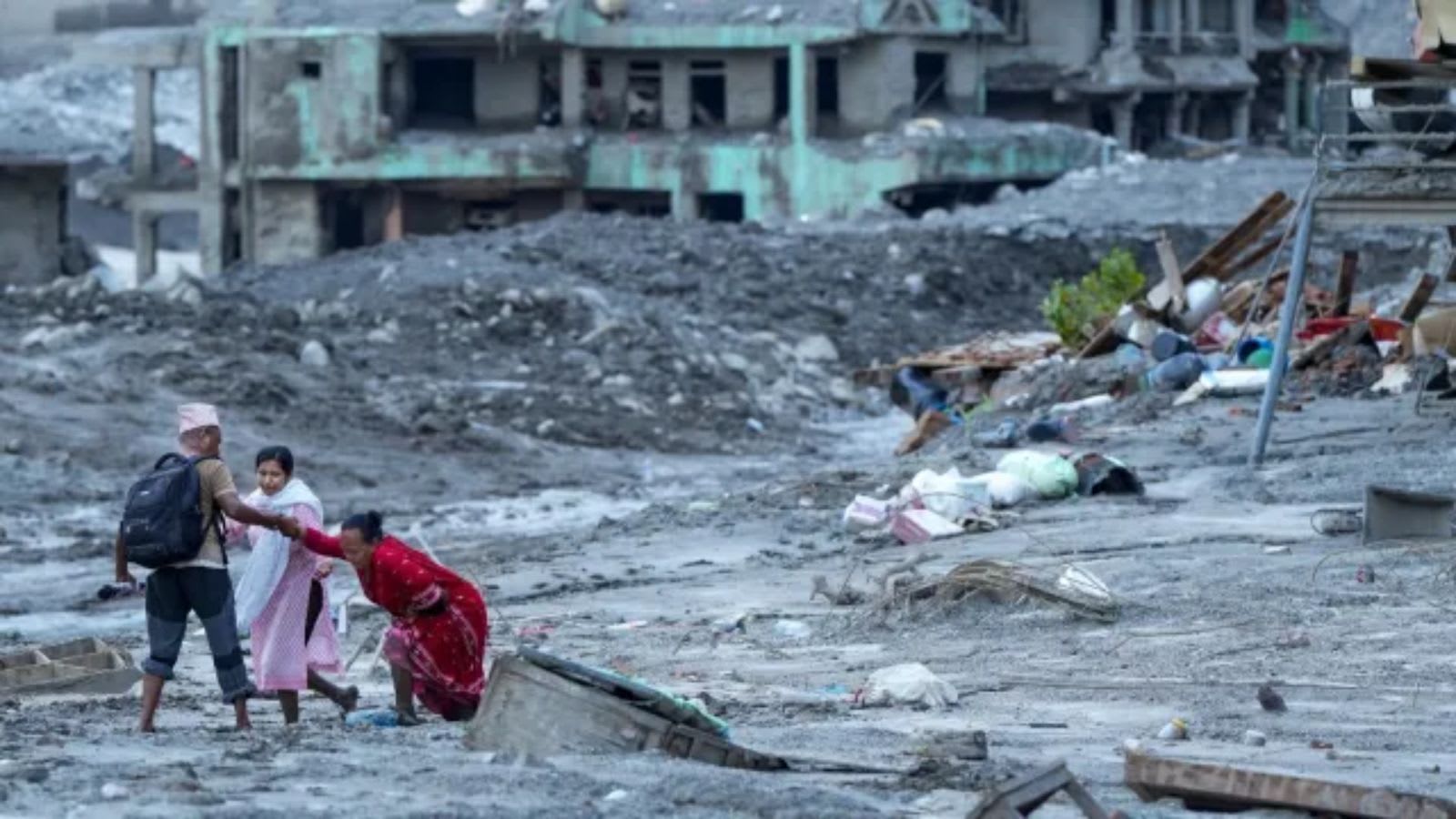
India has successfully rescued 163 nationals following devastating flash floods in Nepal, while simultaneously coordinating complex tunnel rescue operations. Collaborative efforts involve specialized Indian forensic and tunnel teams working alongside Nepalese authorities to locate hundreds of workers trapped in hydropower projects.
India Intensifies Humanitarian Support Amidst Nepal's Flooding Crisis
The recent flash floods in Nepal have triggered a massive humanitarian response, with India playing a pivotal role in search and rescue operations. As of September 1, the Ministry of External Affairs (MEA) confirmed that 163 Indian nationals have been successfully rescued. This operation is part of a broader, sustained effort by the Indian government to support its neighbor during one of the region's most challenging natural disasters in recent memory.
The Complexity of Tunnel Rescue Operations
One of the most critical aspects of the ongoing crisis involves the search for workers trapped within hydropower infrastructure. With approximately 900 hydropower workers missing across 12 different projects, the situation is dire. Reports indicate that at least 500 individuals may be trapped specifically within tunnels. To address this, an Indian tunnel rescue team has established a strategic foothold at the Chilime hydropower site in Rasuwa, working in direct partnership with the Nepali Army to navigate the precarious underground conditions.
Multi-Dimensional Support and Forensic Assistance
Beyond immediate extraction, India has deployed specialized personnel to assist with the aftermath of the catastrophe. A 19-member specialized forensics team began operations in Kathmandu on Sunday. This deployment is essential for the identification and processing of victims, given the overwhelming scale of the disaster, which has seen the death toll rise to 1,003, with nearly 4,000 individuals reported missing, including 583 foreign nationals.
Regional Coordination and Evacuations
In addition to the direct rescue operations within Nepal, the Indian government has facilitated the movement of its citizens across the region. The MEA reported that 151 Indian nationals successfully left China on Tuesday. This highlights the logistical breadth of India's response, as it manages both the immediate emergency within Nepal and the safe transit of its citizens from neighboring areas affected by the regional instability caused by the weather patterns.
Challenges and Future Implications
Rescuers are facing immense challenges as they attempt to locate individuals buried under debris or trapped deep within the inundated hydropower tunnels. The collaboration between Indian specialists and the Nepali Army serves as a testament to the close bilateral cooperation between the two nations. As the disaster recovery phase shifts toward long-term reconstruction, the focus will likely remain on the structural integrity of these critical energy sites and the continued search for the thousands still missing.
Conclusion
While the rescue of 163 Indian nationals marks a significant success, the sheer scale of the tragedy—with a death toll surpassing 1,000—underscores the severity of the flash floods. India’s multi-faceted intervention, ranging from specialized forensic support to high-risk tunnel rescue operations, remains vital for Nepal's recovery efforts. The ongoing cooperation between the two nations will be essential in navigating the difficult days ahead as search operations continue at the hydropower sites.