After Nepal flash floods, Sikkim group urges PM Modi to halt hydropower projects
Source Entity
India Latest News: Top National Headlines Today & Breaking News | The Hindu
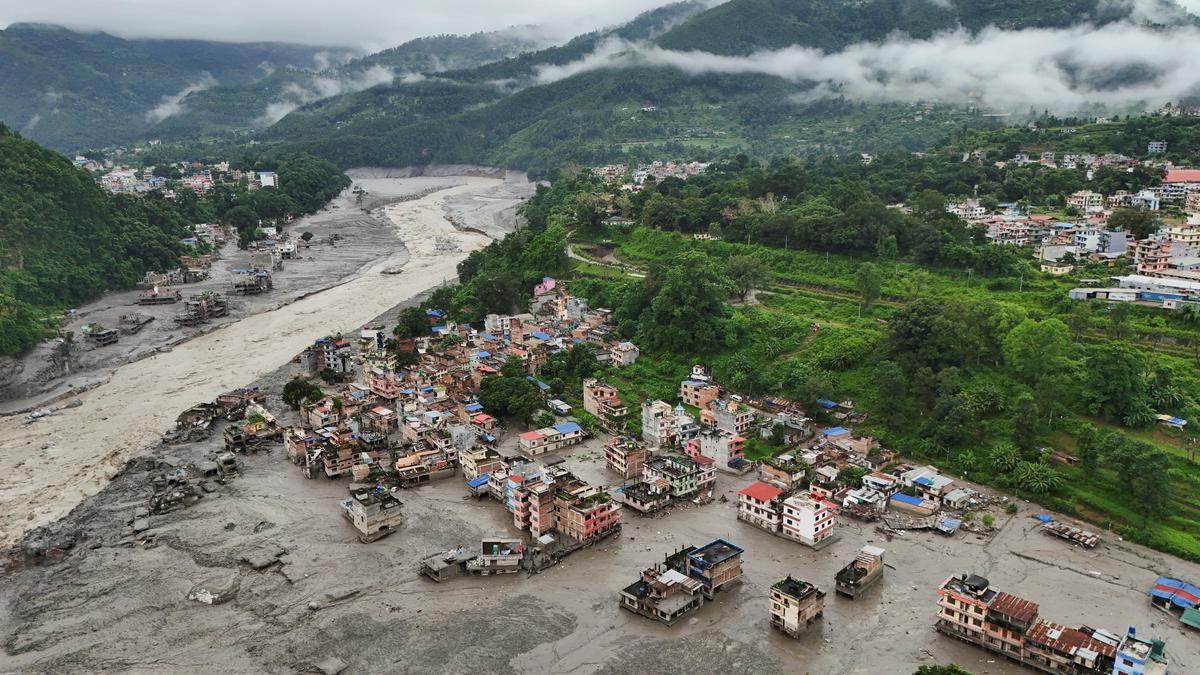
Following devastating flash floods in Nepal that destroyed multiple hydropower projects, a Sikkim-based ethnic group has urged the Indian government to halt new hydroelectric developments in the Himalayas. The disaster, triggered by an earthquake-induced avalanche in Tibet, highlights the extreme vulnerability of infrastructure in high-altitude, seismic zones.
The Himalayan Infrastructure Crisis: Lessons from Nepal
Recent catastrophic flash floods in Nepal have ignited a fierce debate regarding the sustainability and safety of large-scale hydropower projects across the fragile Himalayan landscape. Following an earthquake-induced avalanche of ice and rock in Tibet, the subsequent debris flow slammed into the Bhotekoshi and Trishuli River corridors. The force of this deluge was sufficient to wash away critical road infrastructure, inundate villages, and inflict extensive damage on at least 13 major hydropower projects, including the 111 MW Rasuwagadhi facility.
A Call for Caution in Sikkim
In response to the devastation, a representative body of the Bhutia and Lepcha ethnic communities in Sikkim has issued a formal advisory to the Indian central government. Drawing a direct parallel between the geological profile of Nepal and Sikkim, these groups are urging a complete halt to all new and proposed hydroelectric projects in their home state. They argue that the Himalayan ecosystem is inherently prone to such high-impact events and that the risks associated with industrializing these river valleys far outweigh the energy benefits.
The Vulnerability of High-Altitude Engineering
The disaster in Nepal serves as a grim case study for the dangers of engineering in high-seismic zones. The event was not merely a flood but a complex disaster involving a glacial or rock-ice avalanche that transformed into a high-speed slurry. When such debris enters a river corridor, it effectively weaponizes the water, creating an unstoppable force that standard engineering designs for hydropower plants are rarely equipped to withstand. The destruction of projects like the Rasuwagadhi plant underscores the fragility of fixed assets in these volatile corridors.
Broader Implications for Himalayan Development
The request from the Sikkim groups reflects a growing tension between national energy security goals and regional environmental safety. While hydropower is often branded as 'green energy,' the localized impact of damming rivers in the Himalayas—a region currently experiencing rapid glacial retreat and increased frequency of extreme weather—is under intense scrutiny. This event forces a re-evaluation of how climate change and geological instability interact to threaten multi-billion dollar infrastructure investments.
Future Trends and Policy Trajectory
Moving forward, it is likely that environmental impact assessments (EIAs) for Himalayan projects will face significantly higher hurdles. The pressure from local communities, emboldened by the visual evidence of the Nepal disaster, will likely lead to increased litigation and public protest. Policymakers will be forced to choose between prioritizing the rapid expansion of renewable energy capacity and ensuring the long-term safety of mountain populations living downstream from these massive, high-risk structures.
Verification Required?