'No need for general assistance’: Nepal lists conditions for foreign help
Source Entity
VIVEK DUBEY
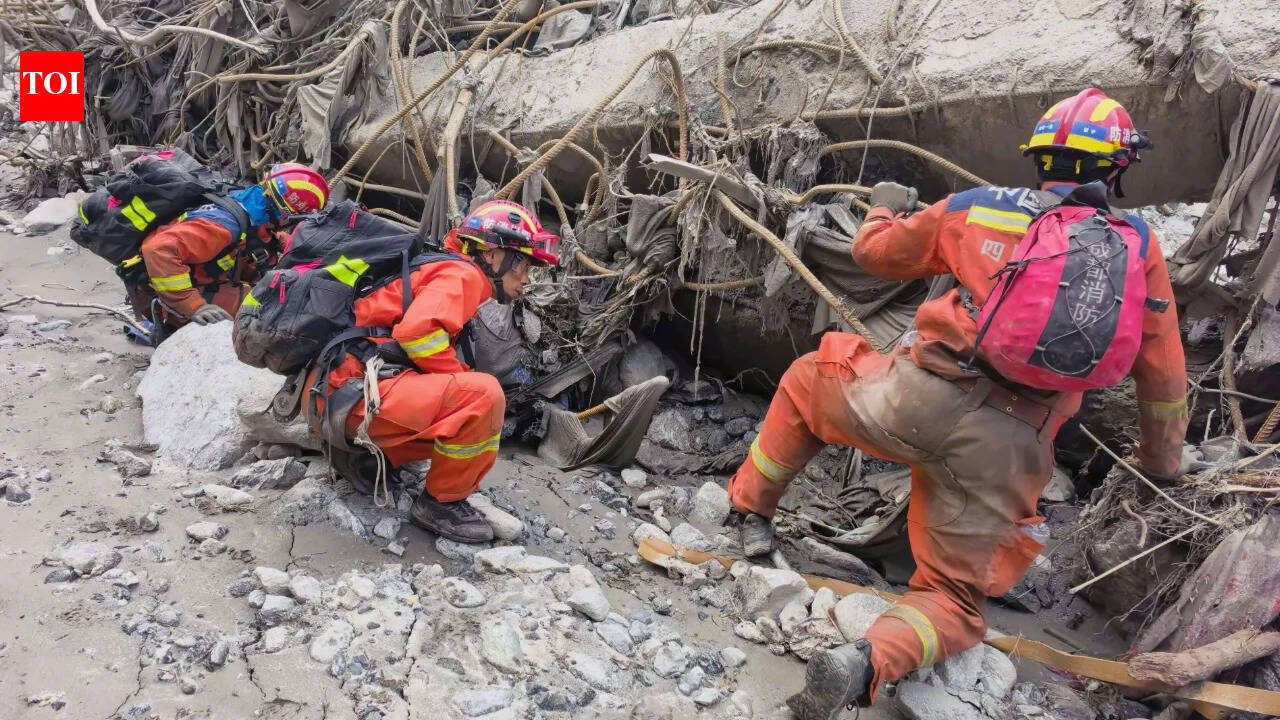
Nepal has requested targeted international aid for specialized tasks like tunnel rescue following catastrophic flooding. While the nation is managing general search-and-rescue efforts, it acknowledges a critical need for foreign expertise in technical operations.
Nepal’s Strategic Approach to Disaster Relief
Following the catastrophic floods triggered by a glacier collapse this Wednesday, the government of Nepal has issued a nuanced request for international assistance. By officially stating that there is 'no need for general assistance,' Kathmandu is signaling a desire to maintain sovereignty over domestic search-and-rescue operations while simultaneously acknowledging critical gaps in their national disaster response infrastructure. This balanced stance reflects a growing trend among nations to prioritize local coordination while seeking surgical, high-level technical support for complex scenarios.
The Challenge of Specialized Rescue Operations
The core of the government's request centers on the limitations of Nepal’s existing disaster management capabilities, particularly regarding tunnel rescue. As Foreign Minister Khanal noted, the nation lacks both the specialized equipment and the deep technical expertise required to operate in such environments. Given that the recent disaster involved a torrent of rock and ice following a glacier failure, the destruction of infrastructure has likely created hazardous, subterranean, or confined-space conditions that require specialized training beyond standard search-and-rescue protocols.
Assessing the Infrastructure Deficit
Nepal’s admission regarding its lack of experience with tunnel rescue serves as a broader commentary on the challenges faced by high-altitude, mountainous nations when dealing with climate-induced disasters. As infrastructure development—including tunnels—expands in rugged terrain, the risk profile of these regions changes significantly. The current crisis highlights a reactive rather than proactive approach to disaster preparedness, suggesting that Nepal may need to integrate more specialized rescue training into its long-term civil defense strategy to mitigate future climate-related risks.
The Role of International Collaboration
The decision to invite foreign help only for specific technical needs is a pragmatic solution to a resource-intensive problem. By filtering the type of aid allowed, the government aims to prevent the logistical chaos that often accompanies uncoordinated international relief efforts. This approach ensures that foreign assets are deployed only where they are most effective, such as providing heavy-duty equipment for ice and rock extraction, rather than duplicating the efforts of local personnel who are already on the ground.
Looking Toward Future Disaster Resilience
Moving forward, this disaster serves as a grim indicator of the environmental instability threatening the Himalayan region. The combination of glacier instability and the subsequent torrents of debris underscores the necessity for regional cooperation and technological investment. As Nepal navigates the current recovery, the lessons learned from this week’s events will likely dictate a shift in how the country contracts for engineering expertise and disaster response technology in the future.
Conclusion
In summary, Nepal’s measured response to the flood crisis highlights the complexities of managing large-scale disasters in challenging terrains. While the nation is capable of managing general relief, the acknowledgment of a need for specialized tunnel rescue expertise is a vital step in ensuring the safety of its citizens. The international community’s ability to provide this targeted support will be a testament to global solidarity in the face of increasingly frequent climate-driven catastrophes.