Sikh community in Quetta alleges ‘gurdwara building razed’ to ‘construct a mall’
Source Entity
Divya Goyal Gopal
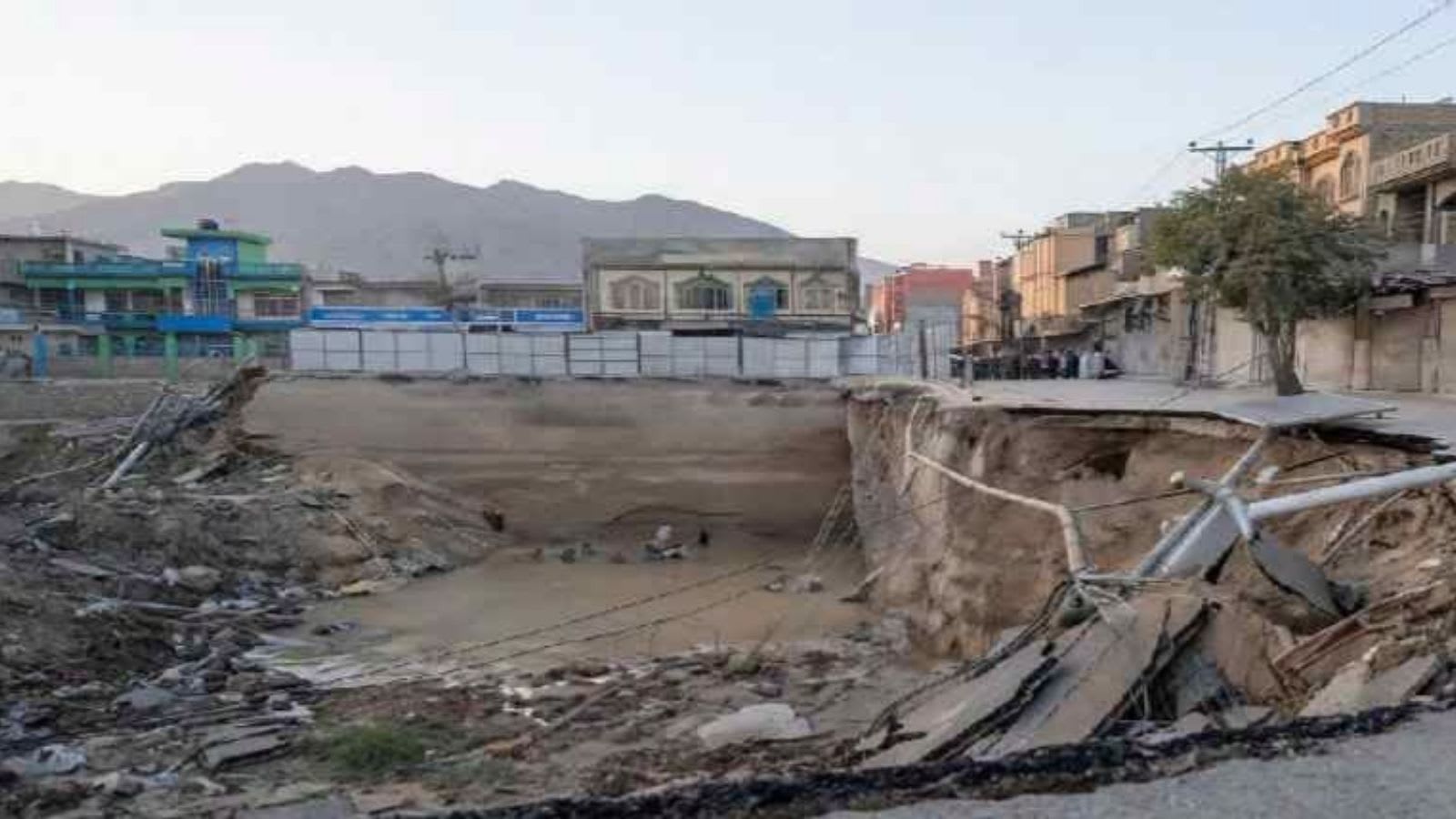
The Sikh community in Quetta has alleged that the historic Gurdwara Sri Singh Sabha was demolished to make way for a private shopping mall. Protests have erupted as stakeholders claim the site was razed without their consultation or consent.
Alleged Demolition of Gurdwara Sri Singh Sabha in Quetta
The Sikh community in Quetta, Balochistan, is currently embroiled in a significant controversy following the alleged destruction of the historic Gurdwara Sri Singh Sabha located on Archer Road. According to Jasbir Singh, the local Jathedar, the site—which served as both a place of worship and a school for the community—was razed to facilitate the construction of a commercial shopping plaza. This development has sparked outrage among local minority groups and civil society members, who argue that the demolition was carried out without any prior notification or consultation with those most affected.
The Role of the Evacuee Trust Property Board (ETPB)
Central to this dispute is the Evacuee Trust Property Board (ETPB), a government body in Pakistan tasked with managing properties left behind by Hindus and Sikhs who migrated to India during the 1947 partition. The ETPB is legally responsible for the maintenance and protection of these sites. However, the allegations from the Quetta Sikh community suggest a failure in this oversight, raising critical questions about how heritage sites are managed, preserved, or transferred to private developers under the current administrative framework.
Broader Implications for Minority Heritage
This incident highlights the precarious position of minority religious sites in Pakistan. Gurdwaras and temples that survived the mass migrations of the 20th century represent a vital cultural and historical link for the Sikh and Hindu diaspora. When these sites are repurposed for commercial use, such as shopping malls, it is perceived not merely as an urban development project, but as a systematic erasure of the minority footprint in the region. The conversion of a site that once housed a school into a commercial plaza emphasizes the loss of both religious and educational infrastructure for the local community.
Civil Society and Community Response
The swift mobilization of local civil society groups alongside the Sikh community underscores the gravity of the situation. Protestors are demanding accountability, citing the lack of transparency in the decision-making process. The reliance on private companies for the development of these lands suggests a shift in priorities that may favor economic gain over the protection of historical and religious assets. This tension between commercial expansion and heritage preservation is a growing challenge in urban centers across the region.
Historical Context and Future Trends
Historically, the preservation of partition-era properties has been a point of contention between minority advocacy groups and state authorities. As urban centers like Quetta expand, the pressure on land increases, often putting historical sites at risk. If the trend of redeveloping these properties for private commercial use continues without robust heritage protection laws and community oversight, the cultural landscape of Balochistan risks losing its pluralistic history. Future stability for such communities will depend largely on whether state institutions like the ETPB can guarantee the sanctity of these sites against the pressures of commercial real estate development.