'To Strengthen Ties': PM Modi Embarks On 4-Day Visit To Uzbekistan, Kyrgyzstan
Source Entity
NDTV News Search Records Found 1000
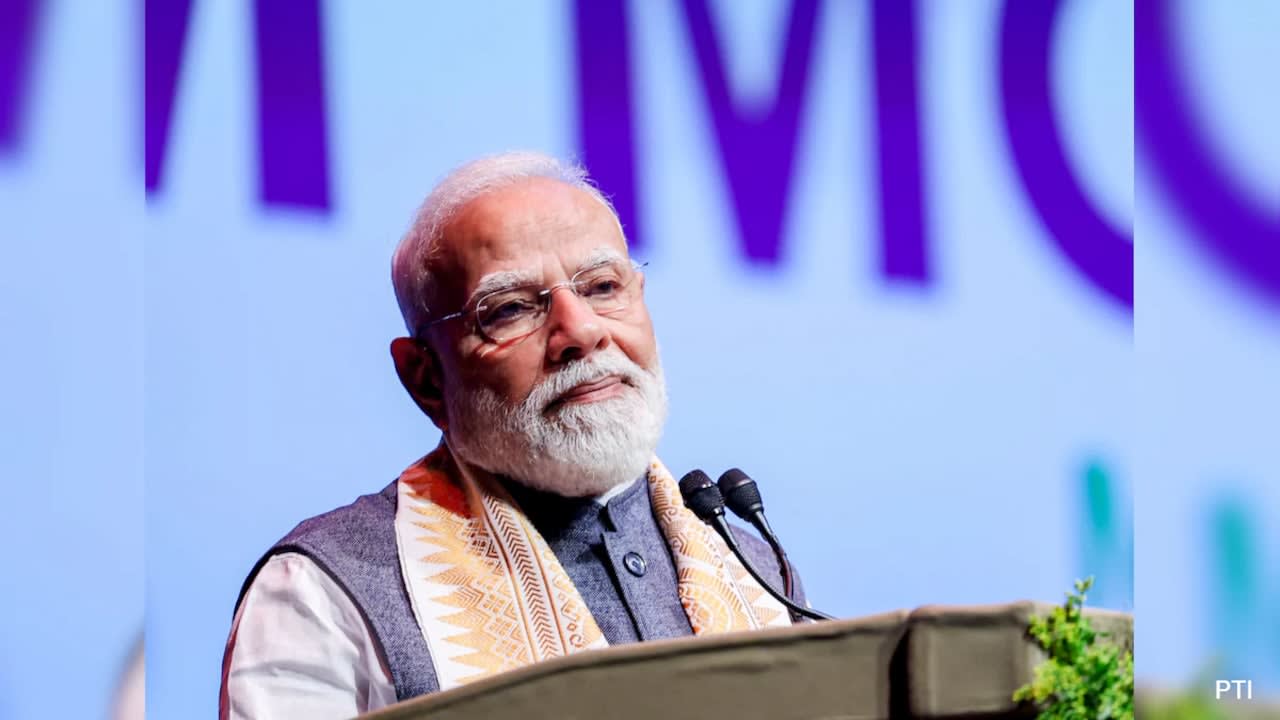
Prime Minister Narendra Modi has commenced a four-day diplomatic visit to Uzbekistan and the Kyrgyz Republic to bolster strategic ties. The trip focuses on bilateral trade, regional security, and participation in the 26th Shanghai Cooperation Organisation (SCO) summit.
Strengthening the Silk Road: PM Modi’s Central Asian Outreach
Prime Minister Narendra Modi has embarked on a significant four-day diplomatic mission to Uzbekistan and the Kyrgyz Republic, spanning from August 29 to September 1, 2026. This visit serves as a pivotal moment in India’s ongoing efforts to deepen its strategic footprint in Central Asia, a region that serves as a critical geopolitical bridge between South Asia, Russia, and China. By engaging directly with regional leadership, the Prime Minister aims to fortify bilateral partnerships while positioning India as a proactive stakeholder in the Eurasian security architecture.
The Evolution of the 'Connect Central Asia' Policy
While historical ties between India and the Central Asian region date back centuries, India’s modern institutional engagement began in earnest with the 2012 'Connect Central Asia' policy. This framework was designed to move beyond traditional cultural diplomacy into concrete areas of economic and security cooperation. The momentum of this policy saw a historic surge in 2015, when Prime Minister Modi became the first Indian leader to visit all five Central Asian nations in a single tour, establishing a precedent for consistent, high-level diplomatic engagement.
Bilateral Synergy: India and Uzbekistan
In Tashkent, the Prime Minister is scheduled to hold extensive bilateral discussions with President Shavkat Mirziyoyev. These talks are expected to center on the convergence of India’s 'Viksit Bharat' vision and the 'Yangi Uzbekistan' initiative. The dialogue will likely emphasize critical sectors including digital connectivity, energy security, and defense cooperation. By aligning these national development agendas, both nations seek to transform their strategic partnership into a robust engine for regional economic growth and technological integration.
Security and the SCO Agenda
Following his bilateral engagements, the Prime Minister will travel to Bishkek to attend the 26th Shanghai Cooperation Organisation (SCO) Summit. As a key member of the SCO, India is utilizing this platform to advocate for a region free from the scourge of terrorism. Prime Minister Modi has explicitly stated that his vision for the SCO is anchored in three pillars: security, connectivity, and opportunity. In a climate of shifting regional dynamics, India’s participation is vital to ensuring that the SCO remains a collaborative forum that addresses transnational security threats rather than becoming a theater for zero-sum geopolitical competition.
Future Implications for Regional Stability
Looking ahead, this visit signifies India’s commitment to being a 'net security provider' and a reliable partner in the Central Asian neighborhood. By fostering deeper trade links and addressing security concerns collectively, India is effectively countering regional isolation and enhancing its logistical access to the Eurasian landmass. The success of this visit will likely set the tone for future multilateral cooperation, reinforcing the importance of Central Asia as a cornerstone of India’s 'Neighborhood First' and extended-neighborhood foreign policy strategies.
Multiple Citing Sources
Verification Required?