World's most watched meeting: PM Modi travels to Bishkek, Putin & Xi also set for SCO summit
Source Entity
Latest News: Todays Latest News Headlines from India & World | Hindustan Times | Hindustan Times
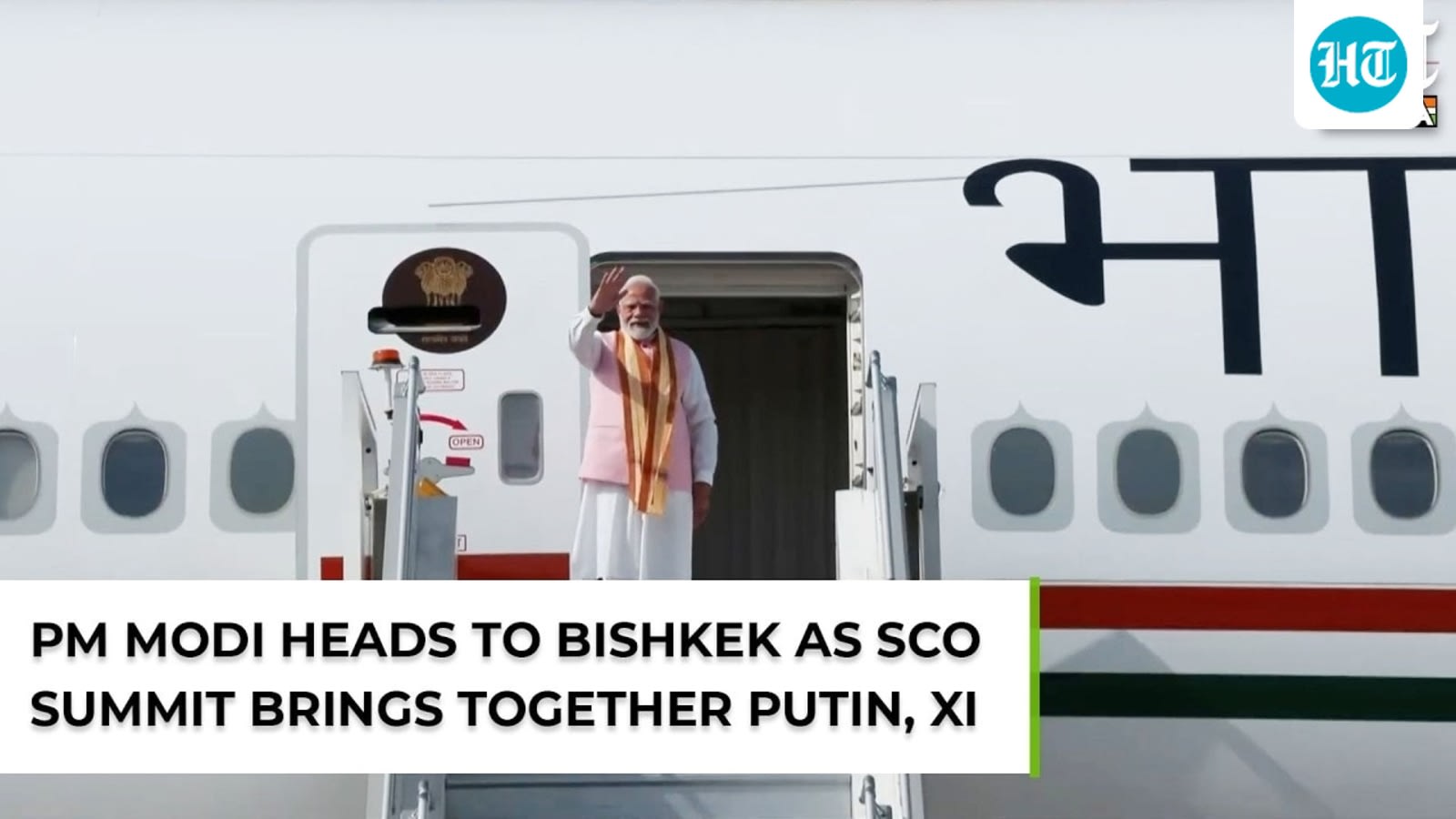
Prime Minister Narendra Modi has commenced a four-day diplomatic visit to Uzbekistan and the Kyrgyz Republic to strengthen strategic ties. The trip focuses on bilateral trade, defense, and regional security, culminating in his participation at the 26th SCO Summit in Bishkek.
Strengthening Strategic Ties: PM Modi’s Central Asia Diplomacy
Prime Minister Narendra Modi has embarked on a significant four-day diplomatic mission to Central Asia, starting with a bilateral visit to Uzbekistan followed by the 26th Shanghai Cooperation Organisation (SCO) Summit in the Kyrgyz Republic. This journey, spanning August 29 to September 1, 2026, serves as a pivotal moment in India's ongoing efforts to solidify its strategic footprint in a region that has become increasingly central to India's geopolitical and economic interests.
The Evolution of the 'Connect Central Asia' Policy
India’s engagement with Central Asia has transitioned from historical diplomatic relations to a structured, proactive policy framework. While Indian leadership has engaged with the region since the tenure of Jawaharlal Nehru, the formalization of the 'Connect Central Asia' policy in 2012 marked a turning point. This strategy gained substantial momentum under Prime Minister Modi, who made history in 2015 by becoming the first Indian Prime Minister to visit all five Central Asian nations. The current visit represents a direct continuation of this long-term vision, emphasizing sustained engagement over sporadic outreach.
Deepening the India-Uzbekistan Strategic Partnership
In Tashkent, the Prime Minister is scheduled to hold high-level talks with President Shavkat Mirziyoyev. The agenda for this bilateral engagement is comprehensive, covering critical sectors such as trade, investment, digital connectivity, defense, and energy. Beyond these material goals, the discussions are framed around the shared national development visions of 'Viksit Bharat' and 'Yangi Uzbekistan.' This focus on aligned domestic progress suggests that India and Uzbekistan are looking to move beyond traditional diplomacy toward a more integrated, modernization-focused partnership.
Regional Security and the SCO Framework
Following his bilateral commitments, the Prime Minister will travel to Bishkek for the 26th SCO Summit. This multilateral platform is of particular importance to India’s security architecture. PM Modi has explicitly stated his intent to advocate for a region free from the 'scourge of terrorism,' anchoring India’s vision for the SCO in the pillars of security, connectivity, and opportunity. As the SCO brings together leaders from ten member nations, it provides a critical forum for India to influence regional security dynamics and address cross-border threats collectively.
Broader Geopolitical Implications
Central Asia serves as a land bridge connecting South Asia to the rest of the Eurasian continent. By prioritizing this region, India is positioning itself to navigate the complex geopolitical landscape of the Global South. The emphasis on connectivity, particularly in the digital and energy sectors, reflects a desire to diversify supply chains and secure stable energy corridors. As India continues to integrate its economic growth with international partners, the success of this visit could set a precedent for how India manages its influence in the heart of Eurasia during a period of shifting global alliances.
Conclusion: A Future-Oriented Outlook
Ultimately, Prime Minister Modi’s visit is a calculated effort to institutionalize India's presence in Central Asia. By alternating between focused bilateral discussions in Uzbekistan and multilateral cooperation at the SCO in Kyrgyzstan, India is demonstrating a balanced approach to regional diplomacy. Whether through the lens of security cooperation or shared developmental goals, this visit underscores the reality that India views Central Asia as a cornerstone of its foreign policy, essential for maintaining long-term regional stability and economic prosperity.
Multiple Citing Sources
Verification Required?