Nepal Flash Flood Live Updates: At least 682 killed, nearly 3,000 missing in deadly Nepal floods
Source Entity
The Indian Express
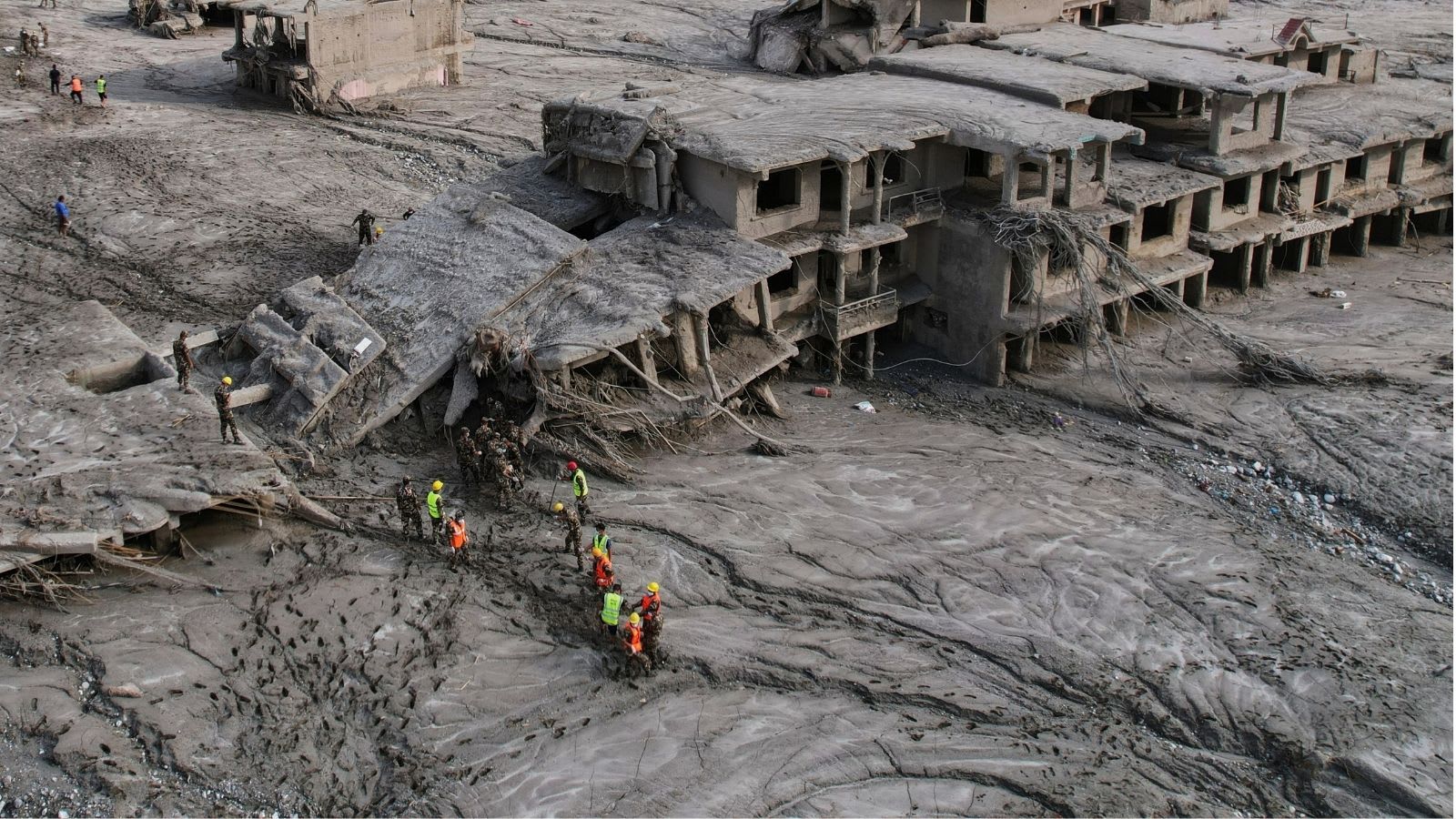
Devastating flash floods triggered by a glacial collapse in Nepal have caused over 160 deaths and widespread destruction along the border. Indian authorities in Uttar Pradesh and Bihar remain on high alert as water levels in key rivers are expected to rise.
Catastrophic Flooding in the Himalayas: A Regional Crisis
The Himalayan region is currently grappling with a severe humanitarian crisis following a catastrophic flash flood event near the Nepal-China border. Reports confirm that at least 162 individuals have lost their lives, with hundreds more missing, including 105 Indian tourists. The devastation, which has seen critical infrastructure such as roads and bridges swept away by torrents of mud and debris, highlights the extreme vulnerability of mountain communities to sudden environmental shifts.
The Science Behind the Disaster: Glacial Collapse
Contrary to initial speculation, the United States Geological Survey (USGS) has officially ruled out seismic activity caused by earthquakes as the trigger for this event. Instead, experts have identified a massive glacial collapse as the primary catalyst. This phenomenon, increasingly common in the warming Himalayan landscape, releases vast quantities of water and sediment into mountain valleys, creating a destructive surge that overwhelms natural river channels and man-made barriers alike.
Cross-Border Impact: The Threat to India
As the floodwaters move downstream, the repercussions are being felt acutely in northern India. Authorities in Uttar Pradesh, Bihar, and Uttarakhand have been placed on high alert due to the expected surge in the Ghaghara, Rapti, Gandak, and Kosi rivers. The influx of water is compounded by the necessary opening of barrage gates in Nepal, which serves as a vital, albeit high-risk, flood management strategy to prevent structural failures in upstream dams.
Hydrological Connectivity and Risks
The hydrological connection between the Himalayas and the Gangetic plains is complex and volatile. The Trishuli river, which integrates flow from the Bhote Koshi originating in Tibet, directly feeds into the Gandak river system. Consequently, a flash flood 200 km north of the Indian border creates a domino effect, placing low-lying regions in north Bihar and Uttar Pradesh at immediate risk of inundation. The current situation demands rigorous monitoring of water levels in these transboundary rivers.
Diplomatic and Humanitarian Response
In response to the tragedy, Indian Prime Minister Narendra Modi has extended offers of assistance to the affected regions. The scale of the missing persons report—over 400 individuals—underscores the logistical nightmare facing rescue teams operating in rugged, debris-filled terrain. The international community, particularly China and India, is coordinating efforts to manage the fallout in regions like Tibet’s Gyirong County, where the impact of the collapse has been equally severe.
Future Trends and Resilience
This event serves as a grim indicator of the growing risks in the Himalayan region, where climate-induced environmental changes are accelerating. As glacial retreats and collapses become more frequent, the traditional flood mitigation frameworks in the Indo-Nepal border regions will require significant modernization. Future disaster management must prioritize real-time, cross-border data sharing and enhanced early-warning systems to protect the millions of people living in the shadow of these unpredictable mountain ecosystems.
Multiple Citing Sources