Nepal disaster: PM Balendra Shah blames global warming; flood death toll climbs to 1,243
Source Entity
Yubaraj Ghimire
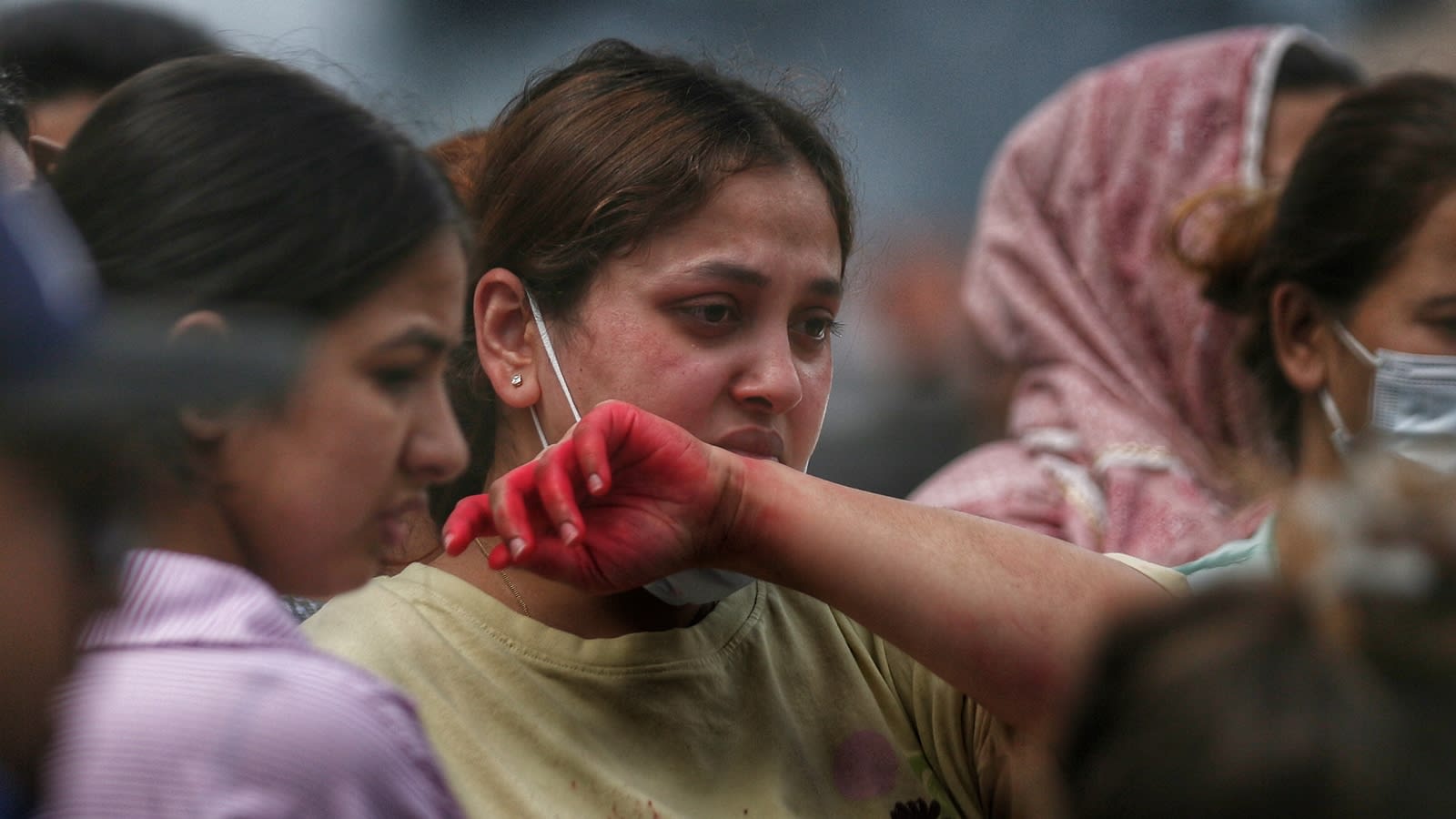
Nepal is seeking climate compensation from major nations following a devastating glacier collapse that killed over 1,100 people. Scientific reports indicate that the disaster was preceded by clear warning signs, highlighting a critical need for improved cross-border monitoring and early warning systems.
The Tragic Intersection of Climate Change and Geopolitical Responsibility
The recent catastrophic glacier collapse along the Nepal-China border has resulted in a staggering death toll of over 1,100 people, marking one of the deadliest environmental disasters in the region's recent history. Beyond the immediate loss of life, the event has triggered a profound diplomatic shift. Nepal’s government, led by Foreign Minister Shisir Khanal, has pivoted its international stance from requesting humanitarian 'aid' to demanding 'climate compensation' from major global powers, including India, China, and the United States.
Scientific Evidence of Foreseeable Disaster
A critical report by the HiRISK scientific consortium has brought to light that this disaster was not entirely unpredictable. Scientists identified 'pre-event indications' in the days leading up to the collapse, specifically noting the appearance of brown meltwater and a visible crack propagating into the bedrock slope. These findings suggest that the disaster might have been mitigated had there been an operational, real-time early warning system capable of interpreting these geological precursors.
The Failure of Transboundary Monitoring
The tragedy underscores a significant gap in the management of transboundary hazards in the Himalayas. Because glaciers do not respect national borders, the lack of integrated, cross-border monitoring systems has left vulnerable communities at extreme risk. The scientific consensus now emphasizes that comprehensive monitoring of glaciers and slopes is non-negotiable for future safety, requiring a level of data-sharing and cooperation between Nepal and its neighbors that has historically been lacking.
Climate Justice vs. Humanitarian Aid
Foreign Minister Khanal’s characterization of financial assistance as a 'moral liability' rather than charity reflects a growing trend in global climate diplomacy. Nepal, which contributes a 'virtually negligible' amount of greenhouse gas emissions, is now framing its recovery needs as a matter of justice. The argument is that the Himalayan nation is paying the 'ultimate price' for a global climate crisis, with rapid glacier melt and 'mountain tsunamis' serving as direct, lethal consequences of warming trends driven by industrialized economies.
Future Implications for Himalayan Security
Looking ahead, the Nepal disaster serves as a grim template for the future of mountain regions. As global temperatures rise, the frequency of such catastrophic events is expected to increase. The shift in diplomatic framework initiated by Nepal—demanding accountability from the world's largest emitters—is likely to set a precedent for other vulnerable nations. The path forward requires not only financial compensation for recovery but also a massive investment in the scientific infrastructure needed to predict, monitor, and alert communities to the shifting hazards of a warming planet.
Conclusion
The tragedy in Nepal is a stark reminder that climate change is a present-day reality for high-altitude regions. By linking the scientific failure of early warning systems to the broader failure of global climate responsibility, Nepal has elevated its struggle to a global stage. Ensuring that such a disaster is not repeated will require a dual approach: robust, coordinated international monitoring and an acknowledgment of the moral debt owed to those who suffer the most from a crisis they did not create.
Multiple Citing Sources