In first bilateral trip, Nepal PM Balendra Shah to visit India from November 22
Source Entity
Yubaraj Ghimire, Shubhajit Roy
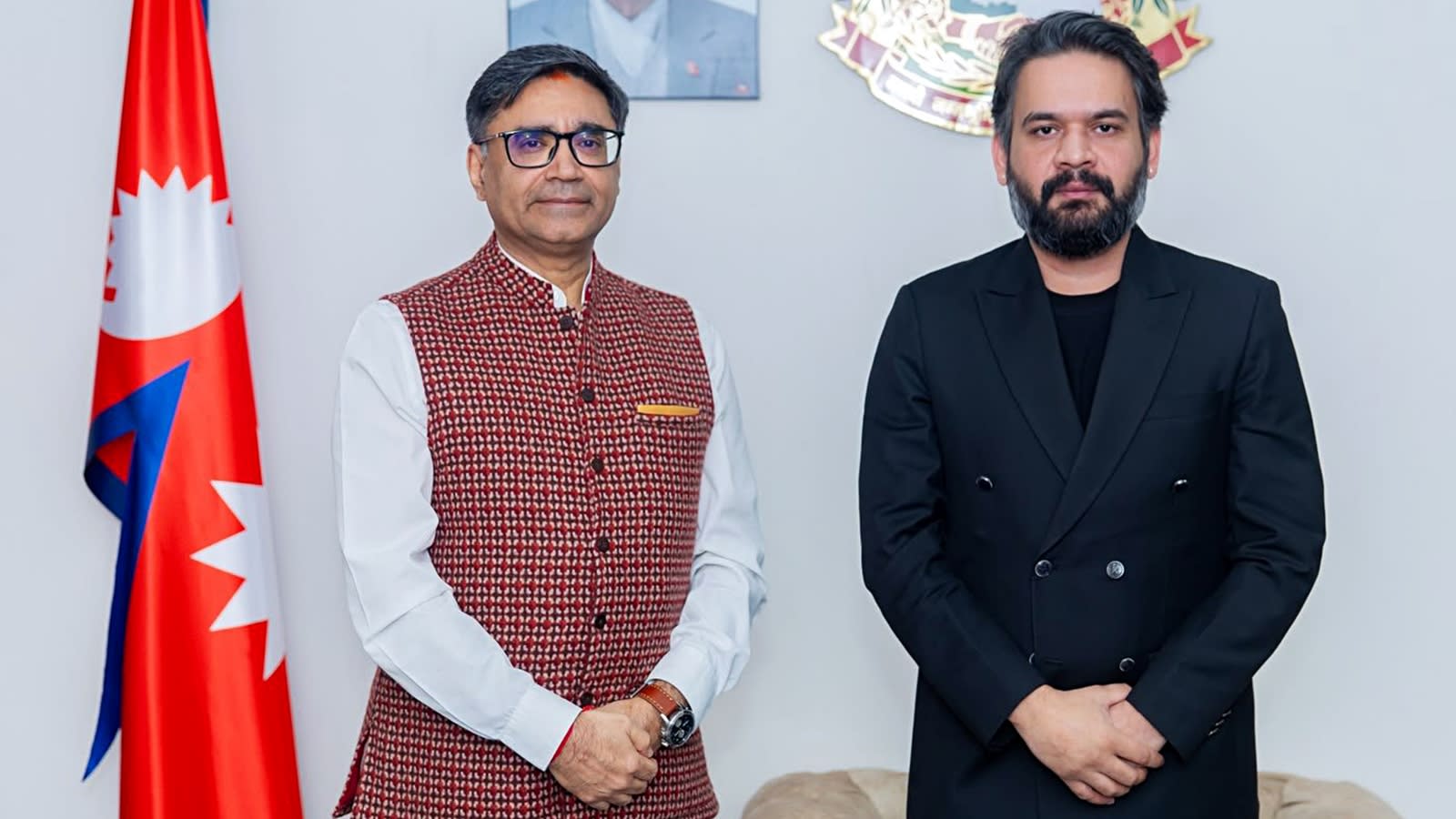
Nepal's Prime Minister Balendra Shah will undertake his first bilateral visit to India starting November 22. This three-day trip follows an invitation from PM Narendra Modi and signals a shift in Shah's initial policy of avoiding overseas travel during his first year in office.
A New Chapter in Indo-Nepal Diplomatic Relations
Nepal’s Prime Minister Balendra Shah is set to embark on a significant three-day official visit to India beginning November 22. This journey represents his first bilateral trip since assuming office in March, marking a pivotal moment in the ongoing diplomatic engagement between Kathmandu and New Delhi. The visit was solidified following a high-level meeting in Kathmandu between Prime Minister Shah and the visiting Indian Foreign Secretary, Vikram Misri.
A Strategic Pivot in Foreign Policy
This upcoming visit signifies a notable shift in Prime Minister Shah’s administrative approach. Upon taking office, the Prime Minister had initially declared an intention to refrain from foreign travel during his first year of governance, focusing instead on domestic consolidation. By choosing India as the destination for his first bilateral trip, Shah is signaling the prioritize he places on the 'Neighborhood First' policy and the deep-rooted historical ties that define the relationship between the two nations.
The Role of Diplomatic Engagement
The impetus for this visit was a courtesy call from Indian Foreign Secretary Vikram Misri, who delivered a formal invitation from Prime Minister Narendra Modi. The successful coordination of this visit underscores the efficacy of back-channel diplomacy and the importance of sustained ministerial communication. By accepting the invitation, Shah has transitioned from a policy of domestic isolation to one of active regional engagement, aimed at strengthening ties with India.
Expectations for a Result-Oriented Agenda
Prime Minister Shah has explicitly stated that he is looking for a "result-oriented" visit. This rhetoric suggests that the upcoming discussions will likely move beyond ceremonial formalities to address substantive bilateral issues. Given the complexity of the Indo-Nepal relationship—ranging from trade and transit corridors to infrastructure development and regional security—a result-oriented approach is essential for addressing the evolving needs of both states.
Broader Implications for South Asian Stability
High-level exchanges between India and Nepal are critical for the geopolitical stability of the Himalayan region. As both nations face shared challenges, including environmental concerns and economic development, this visit serves as a platform to align policies. The shift in Shah’s stance reflects an understanding that regional cooperation is an indispensable component of national progress, especially when navigating the complexities of modern South Asian geopolitics.
Conclusion: Looking Ahead
As the November 22 date approaches, the international community will be watching to see how this visit translates into actionable outcomes. By prioritizing this visit, Prime Minister Shah has opened a window for enhanced collaboration that could set the tone for his tenure. If the visit succeeds in delivering tangible results, it will likely pave the way for a more robust and cooperative partnership between New Delhi and Kathmandu in the coming years.