No word from Thane couple on first trip to Nepal, kin await clarity
Source Entity
Ishika Gupta
Flash floods along the Nepal-Tibet border have resulted in tragic loss of life, leaving families from India and Nepal in deep distress. Survivors and relatives of the missing are grappling with the aftermath as rescue operations continue amid widespread devastation.
The Human Cost of the Nepal-Tibet Border Flash Floods
Recent flash floods in the border regions between Nepal and Tibet have triggered a humanitarian crisis, leaving behind a trail of destruction that has shattered families across Nepal and India. The disaster, characterized by sudden, violent torrents of mud, rock, and water, has not only claimed lives but has also obliterated the livelihoods of those who have called these mountainous regions home for generations. The accounts from survivors and the kin of the missing provide a harrowing glimpse into the sheer power of the environmental catastrophe.
Survivors and the Trauma of Loss
For individuals like Shyam Lal Thapa, a 52-year-old farmer from the Rasuwa district, the tragedy is deeply personal. His account of failing to hold onto his wife’s hand amidst the overwhelming current highlights the uncontrollable nature of these flash floods. The emotional toll is compounded by the uncertainty surrounding missing family members, leaving survivors in a state of suspended hope and grief within relief camps. This loss is not merely physical; it is an erasure of ancestral ties to the land, as many, like Thapa, have seen their family-run paddy fields buried under layers of debris.
The Plight of Missing Pilgrims
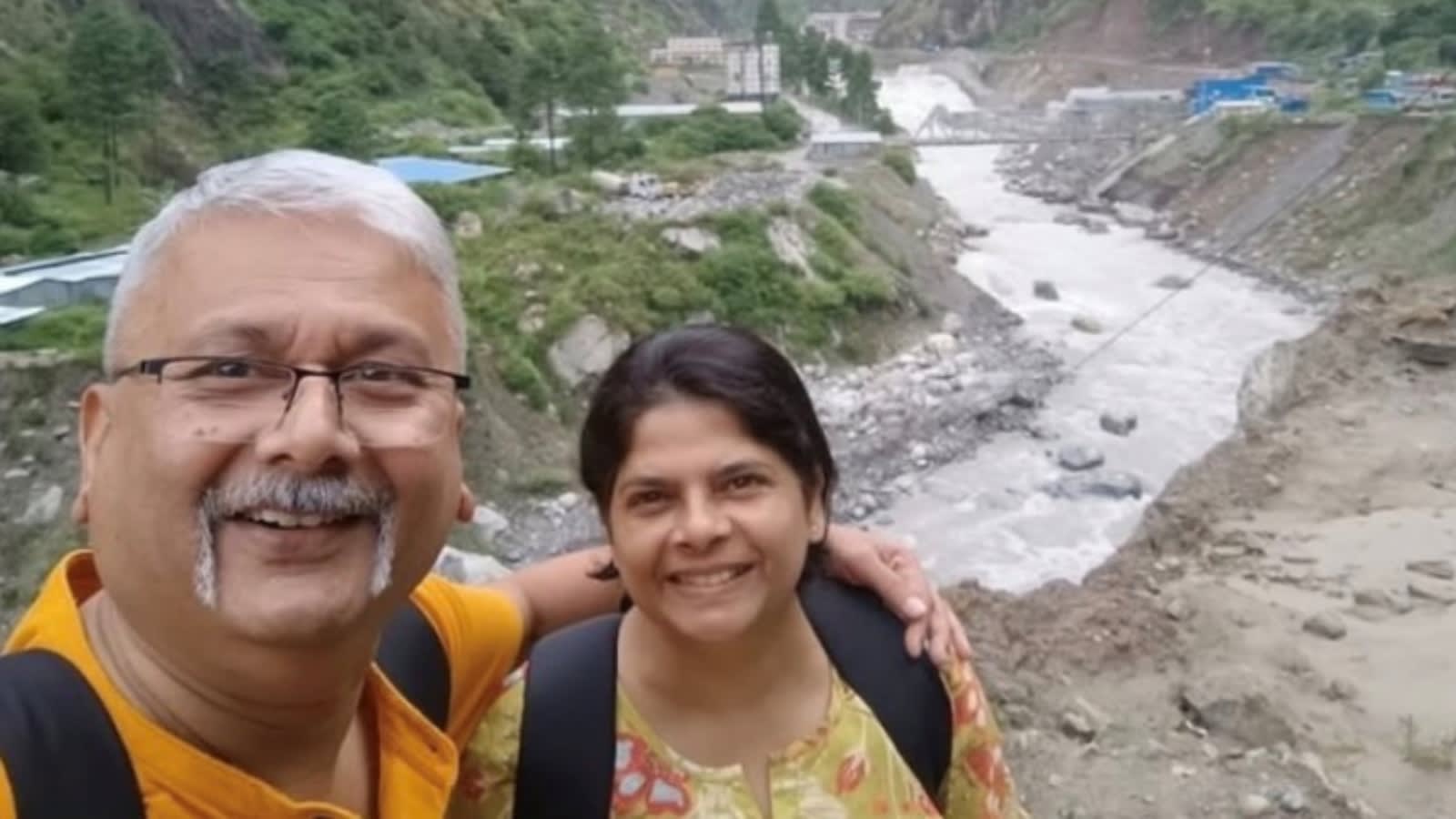
Beyond the local population, the disaster has impacted tourists and pilgrims from India, particularly those undertaking the Kailash-Mansarovar Yatra. Families from places like Thane, Maharashtra, are currently navigating a nightmare of silence. The case of Aparna and Sameer Joshi, who have been unreachable since late August, exemplifies the terror felt by families who rely on the final digital breadcrumbs—a photograph or a WhatsApp status—as the only proof of life. The delay in communication, exacerbated by the rugged terrain and damaged infrastructure, has left relatives in a state of agonizing limbo.
Desperation and Last Communications
Perhaps the most chilling aspect of this disaster is the finality captured in the last phone calls received by loved ones. In Bhopal, the family of the Khanal and Adhikari families received a brief, desperate message from relatives seeking higher ground. The instruction to "take care of the children" as their temporary refuge became submerged serves as a stark reminder of the helplessness individuals face when confronted by extreme geological events. These communications underscore the rapid escalation of the floods, leaving almost no time for organized evacuation.
Broader Implications and Future Risks
This incident highlights the inherent vulnerabilities of the Nepal-Tibet border region, where climate volatility and mountainous topography create a high-risk environment for sudden flooding. As rescue efforts enter their third day, the focus remains on locating the missing and providing support to the displaced. However, the broader implications suggest an urgent need for enhanced early warning systems and disaster management infrastructure in these high-altitude zones. The intersection of tourism, local agriculture, and climate-induced disasters presents a complex challenge for regional authorities, who must now balance economic activity with the increasing necessity of safeguarding human lives against unpredictable natural forces.
Multiple Citing Sources