He remembers being hungry, then nothing at all: How cross-border search helped Nepali man reunite with family
Source Entity
Ankita Deshkar
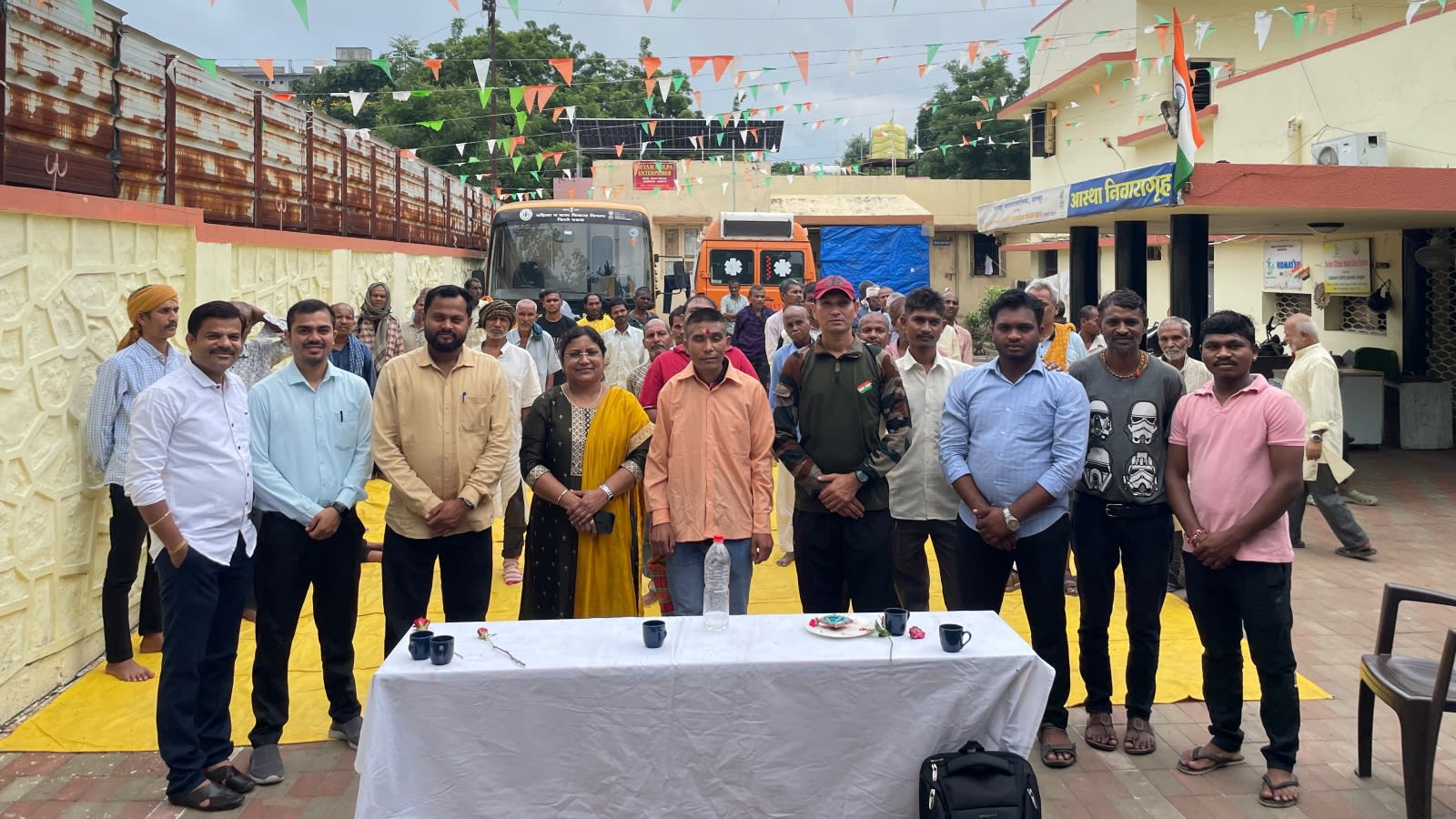
A 41-year-old Nepali man named Khadka Bahadur Som Bahadur Darji was reunited with his family after a coordinated cross-border search. He was found wandering in Nagpur with memory loss and returned home on September 13.
A Journey of Loss and Recovery: The Reunion of Khadka Bahadur Darji
The Disappearance and the Search
In a poignant intersection of international cooperation and humanitarian effort, the story of 41-year-old Khadka Bahadur Som Bahadur Darji has reached a successful conclusion. A resident of Niskot in Nepal’s Myagdi district, Darji vanished from his home around August 9-10, leaving his family in a state of distress and uncertainty. The subsequent 24-hour cross-border search, which mobilized police forces and social workers across both India and Nepal, highlights the critical importance of regional coordination in tracking missing persons who cross international boundaries.
The Mystery of the Missing Memory
Darji’s journey was marked by a sudden, harrowing loss of memory. After departing his home in Nepal, he navigated the vast rail network of India, traveling first to Delhi and then boarding a train toward Tamil Nadu. His last clear recollection involves a simple act of human kindness: a co-passenger providing him with dahi-bhaat (curd rice) when he expressed hunger. Following this moment, he experienced a complete psychological blank, eventually finding himself wandering the streets of Nagpur, hundreds of kilometers from his intended destination and his home.
The Role of Social Infrastructure
The discovery of Darji in Nagpur and his subsequent placement at the Aastha Shelter Centre serve as a testament to the efficacy of local social welfare institutions. These shelters act as vital nodes in a safety net for vulnerable individuals who find themselves lost, disoriented, or suffering from medical emergencies far from their support systems. Without the intervention of the Aastha Shelter Centre and the collaborative efforts of law enforcement, Darji might have remained among the many unidentified individuals lost within India's urban landscape.
Cross-Border Cooperation
This case underscores the necessity of robust communication channels between Indian and Nepali authorities. When individuals cross the open border between these two nations, the complexity of tracing their movements increases significantly. The success of this operation rested on the rapid exchange of information between social workers and police in both countries, facilitating the identification of Darji and the notification of his family in Myagdi.
Conclusion and Future Implications
On September 13, the ordeal ended as Darji’s relative, Dipak Shahi, arrived at the Aastha Shelter Centre to accompany him back to Nepal. While the exact cause of Darji’s memory loss remains a personal medical matter, the broader implication of this event is the triumph of collective human empathy and institutional rigor. It serves as a reminder that even in the vastness of the Indian subcontinent, dedicated cross-border cooperation can bridge the gaps that lead to human tragedy, ensuring that those who lose their way are eventually guided back home.