Netanyahu trying to delay Israel election, telling Trump to restart war to create emergency?
Source Entity
Latest News: Todays Latest News Headlines from India & World | Hindustan Times | Hindustan Times
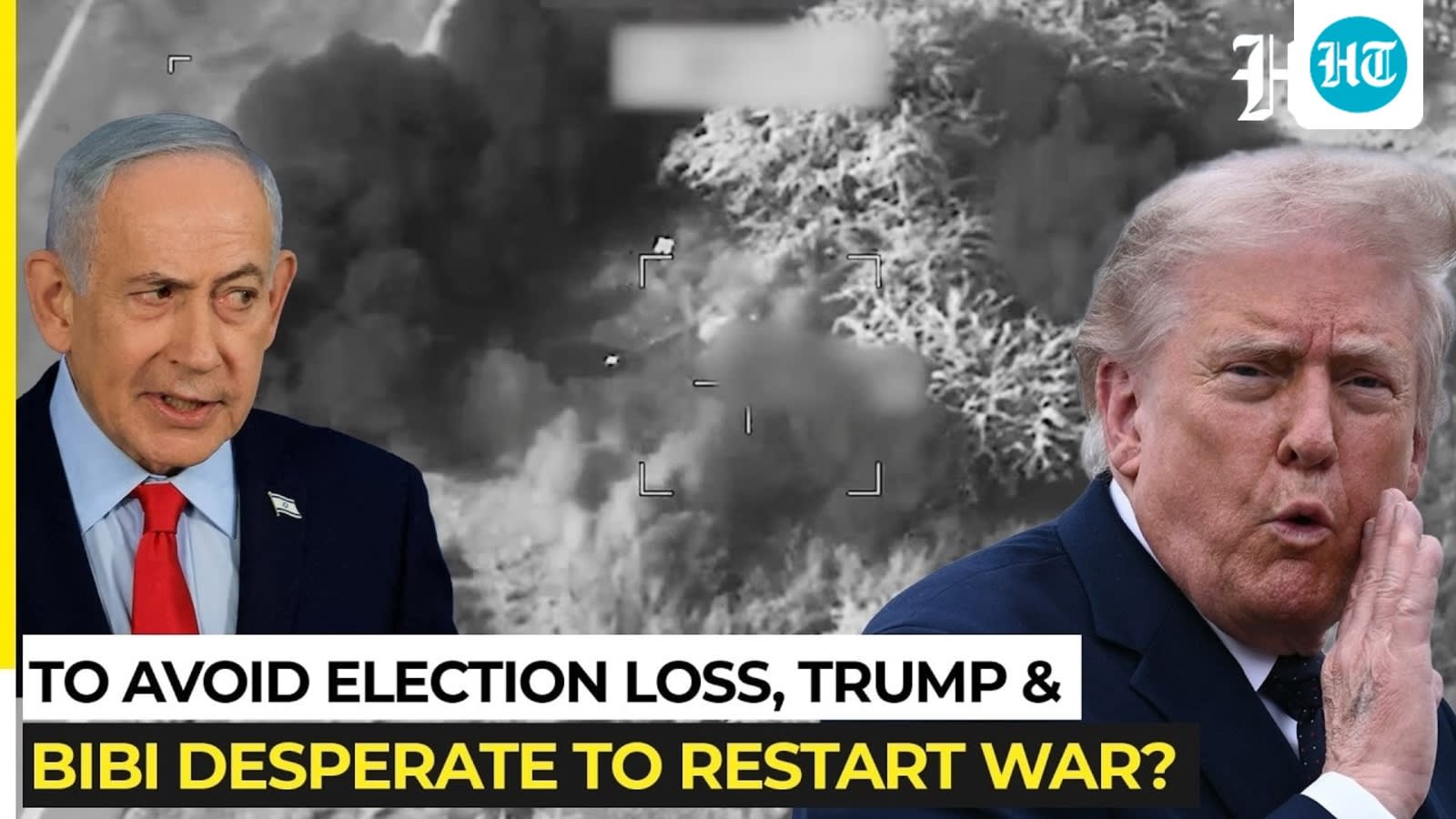
Benjamin Netanyahu and Donald Trump are reportedly discussing potential military action against Iran, raising concerns about regional stability and election-year politics. While the possibility of renewed strikes is being weighed, no formal commitment has been made by the U.S. administration.
The Prospect of Renewed Conflict in the Middle East
Recent reports indicate that Israeli Prime Minister Benjamin Netanyahu and U.S. President Donald Trump are engaged in high-level discussions regarding potential military action against Iran. This development comes at a precarious moment, as the region navigates a fragile pause in hostilities. The core of these discussions, as reported by Axios, centers on Iran’s nuclear program and its advancing military capabilities, which remain a primary security concern for the Israeli government.
Geopolitical Calculations and Strategic Hesitation
While the prospect of renewed strikes has been raised, President Trump has reportedly stopped short of committing to a new military operation. The U.S. administration is currently balancing a complex array of variables, including the inherent military risks of an escalation, the potential for significant economic fallout, and the impact such a move might have on global energy prices. The caution displayed by the U.S. suggests a strategic effort to weigh the necessity of military intervention against the potential for regional destabilization.
The Intersection of Domestic Politics and Foreign Policy
As elections approach in both the United States and Israel, the political dimensions of these deliberations cannot be ignored. Speculation has emerged regarding whether the timing of potential military action could be influenced by domestic electoral cycles. The debate over whether an emergency situation—created by renewed conflict—might serve as a catalyst for political shifts highlights the complex interplay between national security decisions and the desire to maintain political power during election seasons.
Risks of Regional Escalation
Any renewed military action carries the inherent risk of spiraling into a broader regional conflict. The focus on Iran’s nuclear program serves as a justification for preemptive measures, yet the long-term consequences of such an offensive are profound. Policymakers are tasked with determining if diplomatic and economic pressure can yield results without triggering a full-scale war, an outcome that would likely necessitate U.S. involvement and carry heavy costs for all parties involved.
The Future of Diplomatic Resolution
Despite the discussions regarding military force, the conversation surrounding a negotiated resolution remains active. The international community continues to monitor whether the current impasse can be broken through diplomatic channels or if the trend toward escalation will define the coming months. The outcome of these deliberations will likely dictate the security architecture of the Middle East for the foreseeable future, making this a pivotal moment for global foreign policy.
Conclusion
In summary, the reported discussions between Netanyahu and Trump reflect a deepening tension regarding Iran's role in the region. While the possibility of military action remains a subject of intense scrutiny, the lack of a definitive commitment from the U.S. underscores the gravity of the situation. As both nations approach critical elections, the world watches to see if the path of diplomacy can prevail over the temptation of military intervention.
Verification Required?