UAE confirms Netanyahu’s secret visit; Iran dominated six-hour talks
Source Entity
SUBHADRA SRIVASTAVA
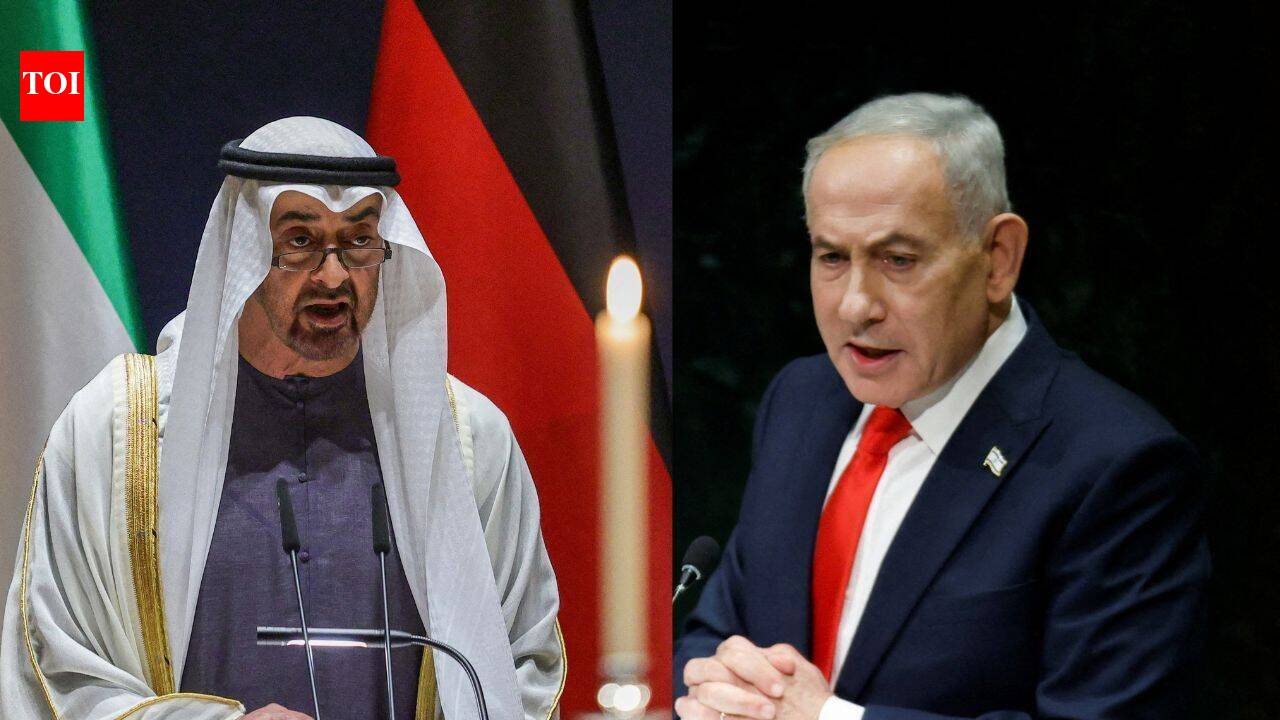
Israeli Prime Minister Benjamin Netanyahu held a significant six-hour meeting with UAE President Sheikh Mohamed bin Zayed Al Nahyan in Abu Dhabi. The discussions, officially centered on bilateral relations, were also reported to focus heavily on regional security concerns regarding Iran.
Diplomatic Deep Dive: The Netanyahu-UAE Summit
A Milestone in Middle Eastern Diplomacy
The recent confirmation by the United Arab Emirates regarding Israeli Prime Minister Benjamin Netanyahu’s visit to Abu Dhabi marks a significant milestone in the rapidly evolving geopolitical landscape of the Middle East. By hosting the Israeli leader, UAE President Sheikh Mohamed bin Zayed Al Nahyan has signaled a commitment to deepening the ties established under the framework of the Abraham Accords. This high-level engagement serves as a public validation of the burgeoning strategic partnership between the two nations.
Official Narratives vs. Strategic Priorities
While the official reporting from the UAE’s state news agency, WAM, emphasized the strengthening of bilateral relations, the broader context of the six-hour meeting suggests a more complex agenda. Israeli officials have explicitly indicated that the dialogue extended beyond trade and cultural exchange to address critical regional challenges. This discrepancy between the public focus on 'bilateral ties' and the private focus on 'regional challenges' highlights the delicate balancing act both nations perform to maintain domestic stability while pursuing security objectives.
The Shadow of Iran
The prominence of Iran in these discussions points to a shared strategic outlook regarding regional security. For Israel, curbing Iran’s influence remains a paramount national security priority, often serving as the primary driver for its diplomatic outreach in the Gulf. The fact that this topic dominated the six-hour window of talks underscores the urgency with which both Jerusalem and Abu Dhabi view the current security architecture of the region, particularly as it relates to ballistic threats and regional proxy dynamics.
Historical Context and the Abraham Accords
To understand the significance of this visit, one must look at the historical pivot point created by the Abraham Accords. Before these normalization agreements, such high-level, public visits would have been inconceivable. This summit represents the normalization of high-level statecraft between Israel and the UAE, moving the relationship from clandestine security cooperation to an open, executive-level partnership that aims to reshape the regional status quo.
Future Trends and Regional Implications
Looking ahead, this meeting suggests that the Israel-UAE relationship will continue to evolve into a cornerstone of regional security. We can expect future iterations of these talks to focus on integrated air defense systems, technological cooperation, and intelligence sharing. As both countries navigate a shifting global order, their ability to coordinate on Iranian containment will likely dictate the pace of further normalization efforts between Israel and other regional actors.
Concluding Summary
In summary, the meeting between Netanyahu and Sheikh Mohamed bin Zayed Al Nahyan is a testament to the maturation of the Israel-UAE alliance. By balancing the public narrative of bilateral growth with the private reality of regional security coordination, both leaders are actively crafting a new, pragmatic order in the Middle East that prioritizes shared threat perceptions over historical grievances.