Woman's brain worm infection confirmed after eggs grow tails in lab test
Source Entity
Beth Mole
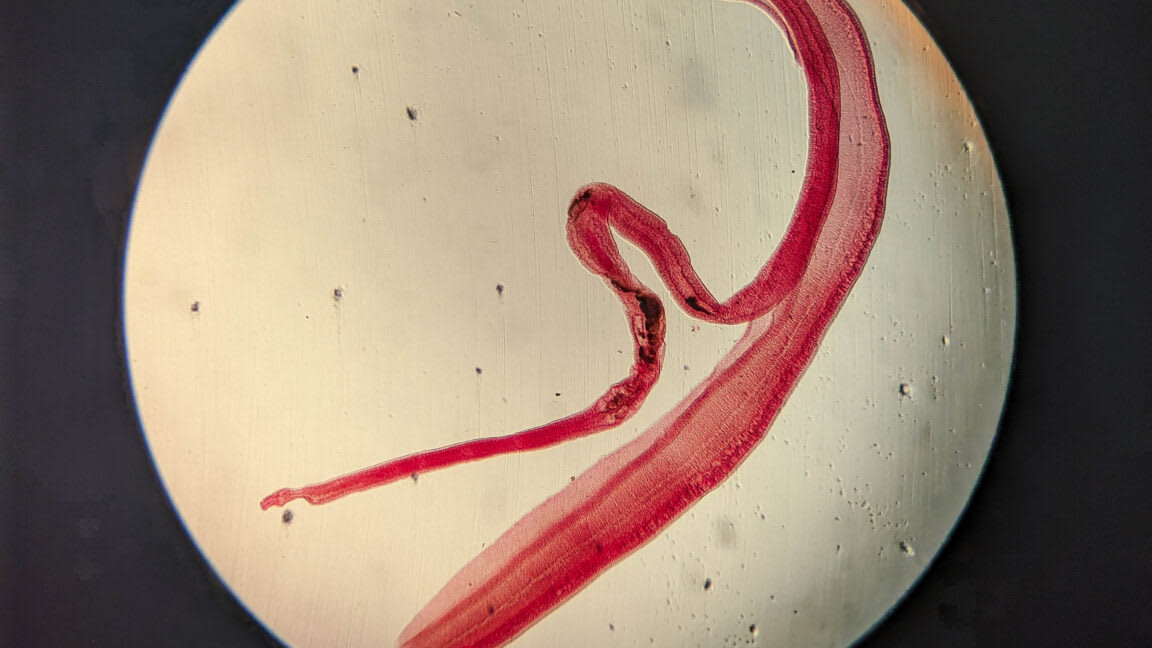
A Filipino rice farmer experienced sudden seizures, leading doctors to discover parasitic worm eggs in her brain. Diagnosed with neuroschistosomiasis, the case highlights the diagnostic challenges of this rare infection.
The Silent Invader: Understanding Neuroschistosomiasis
The recent case of a Filipino rice farmer suffering from sudden, uncontrollable tremors in her limbs has brought a rare medical condition into the spotlight. Initially presenting with no typical neurological symptoms like headaches or confusion, the patient’s sudden onset of hemibody tremors necessitated an immediate emergency evaluation. While her physical examination appeared normal, advanced neuroimaging through Magnetic Resonance Imaging (MRI) revealed a cluster of bright nodules surrounded by fluid in the left frontal lobe, which clinicians identified as parasitic eggs.
The Diagnostic Challenge
This case, detailed in the New England Journal of Medicine, underscores the immense difficulty medical professionals face when identifying parasitic infections within the central nervous system. There is currently no single, definitive diagnostic test for neuroschistosomiasis. In this instance, the diagnosis was bolstered by the visual confirmation of the parasite’s development in a lab setting, where the eggs were observed to grow tails—a characteristic feature that provided clinicians with the necessary evidence to confirm the presence of Schistosoma.
Environmental and Occupational Context
As a rice farmer in the Philippines, the patient belongs to a demographic frequently exposed to the environmental conditions conducive to schistosomiasis. The parasite thrives in freshwater sources where the intermediate host—specific types of snails—resides. Agricultural workers, who often spend prolonged periods in irrigation canals or standing water, are at a heightened risk of coming into contact with the cercariae larvae that penetrate human skin, eventually migrating through the bloodstream to various organs, including the brain.
Broader Implications of Parasitic Infections
Neuroschistosomiasis is an uncommon, yet severe, complication of an infection that affects millions globally. When the parasite migrates to the brain, it can cause inflammatory responses, mass lesions, and neurological deficits such as seizures, as seen in this patient. The broader implication here is the necessity for increased surveillance in endemic regions and the importance of considering parasitic etiologies in patients presenting with new-onset seizure activity, even in the absence of other focal neurological signs.
Future Trends and Clinical Vigilance
Looking forward, this case serves as a critical reminder for the global medical community to maintain high levels of clinical suspicion for neglected tropical diseases. As climate change potentially alters the distribution of intermediate hosts and human migration patterns increase, the reach of such parasites may expand. Continued research into non-invasive diagnostic markers and more accessible screening tools will be essential to manage and treat these complex infections before they result in permanent neurological damage.