Tamil Nadu government hospitals running short of critical medicines for pre-term babies
Source Entity
India Latest News: Top National Headlines Today & Breaking News | The Hindu
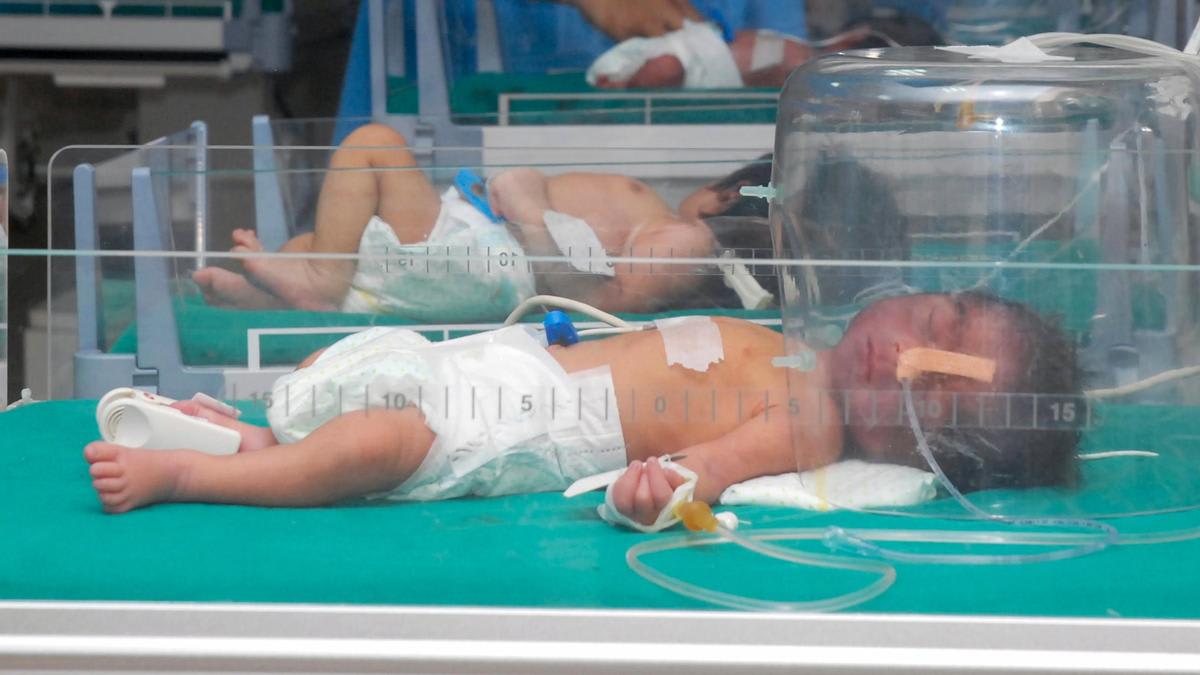
Government hospitals in Tamil Nadu are facing a critical shortage of surfactant medicines essential for pre-term infant respiratory care. This ongoing supply gap, reported across several Special Newborn Care Units, threatens the survival of vulnerable newborns.
Critical Shortage of Neonatal Surfactants in Tamil Nadu
Government hospitals across Tamil Nadu are currently grappling with a severe and persistent shortage of surfactant medications, a life-saving intervention for pre-term infants. These drugs are fundamental to neonatal care, as they are used to inflate the lungs of babies born prematurely who lack the natural biological surfactants required to breathe independently. The absence of this medication in Special Newborn Care Units (SNCUs) creates an immediate risk for the most vulnerable patients in the state's public healthcare system.
The Clinical Necessity of Surfactant Therapy
Pre-term babies often suffer from Respiratory Distress Syndrome (RDS) because their underdeveloped lungs cannot produce enough surfactant, a substance that prevents air sacs from collapsing. Medical professionals utilize bovine or porcine-derived surfactants administered intratracheally to bridge this physiological gap. Without access to these critical medications, the ability of SNCUs to provide standard-of-care respiratory support is severely compromised, directly impacting mortality rates and long-term health outcomes for neonates.
Supply Chain and Procurement Challenges
These essential drugs are typically procured through the specialty drug rate contract system managed by the Tamil Nadu Medical Services Corporation (TNMSC). The current shortage, which has been reported over the past several months, suggests a failure within the procurement or distribution pipeline. While doctors at various government facilities have proactively flagged these shortages to the Health Department, the persistence of the issue indicates that the bureaucratic mechanisms meant to ensure a constant supply are currently failing to meet the operational demands of these specialized units.
Broader Implications for Public Health
Tamil Nadu has historically been recognized for its robust public health infrastructure and commitment to maternal and child health. However, the inability to supply basic life-saving neonatal drugs highlights a critical vulnerability in the state's supply chain management. If left unaddressed, this shortage could reverse gains made in neonatal mortality reduction, forcing families to seek expensive alternatives in the private sector or leaving them without options during life-threatening respiratory crises.
Looking Ahead: Urgent Remediation
To mitigate this crisis, the Health Department must prioritize the immediate replenishment of surfactant stocks and conduct a thorough audit of the TNMSC procurement cycle. Future trends in neonatal care depend heavily on the reliability of supply chains; therefore, establishing a buffer stock system or diversifying procurement sources may be necessary to prevent future disruptions. Ensuring that SNCUs are fully equipped is not merely a logistical requirement but a fundamental duty of the state to protect the most vulnerable members of the population.
Verification Required?