What does addiction do to the brain? Counselling psychologist Sarah Hatwalne shares 6 recovery tips that help in healing
Source Entity
Latest News: Todays Latest News Headlines from India & World | Hindustan Times | Hindustan Times
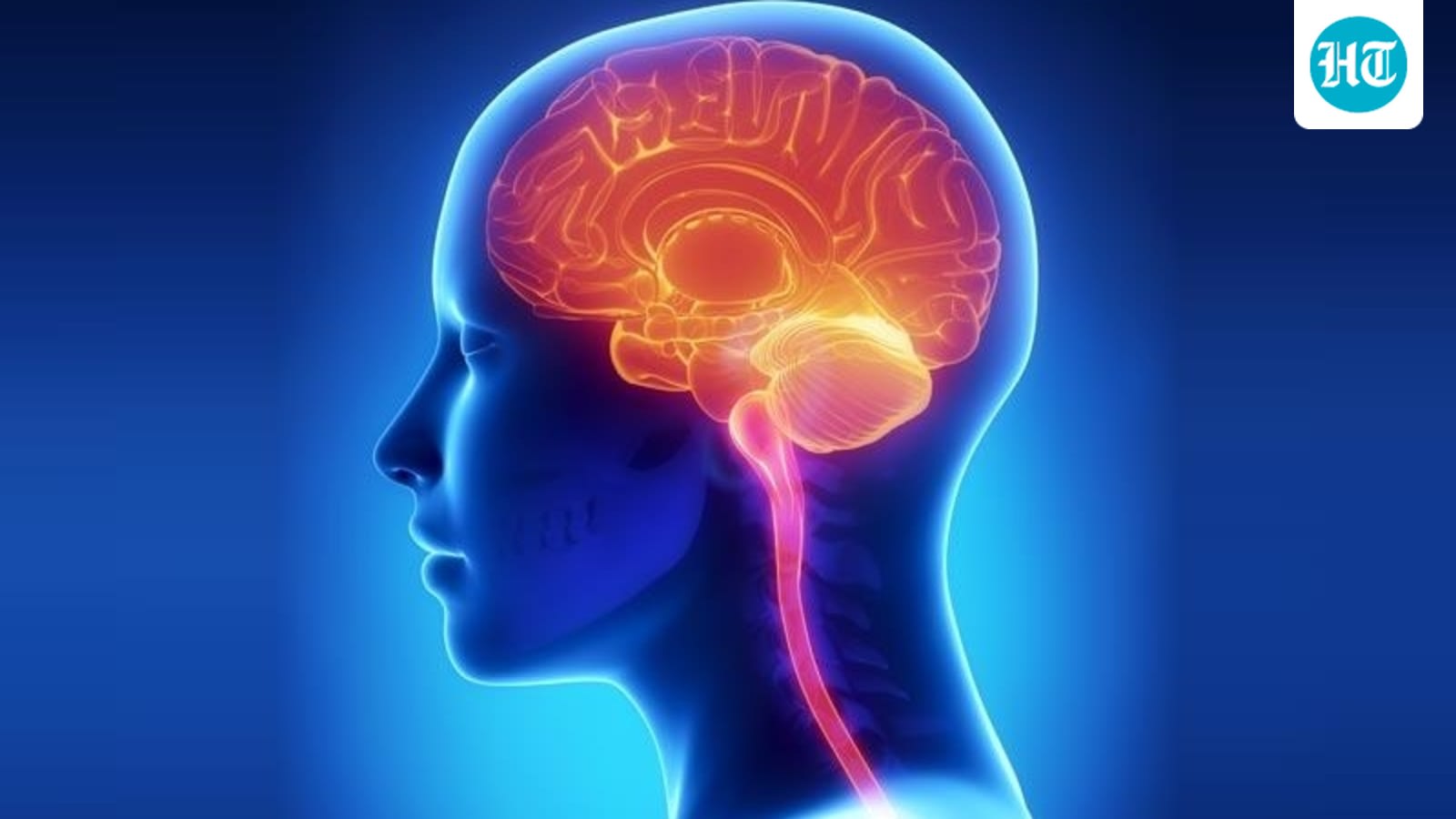
Psychologist Sarah Hatwalne explains that addiction fundamentally alters brain chemistry, dispelling the myth that willpower alone is sufficient for recovery. Her expert guidance emphasizes that structured therapy, mindfulness, and social support are essential components for long-term neural healing.
Understanding the Neuroscience of Addiction
Addiction is frequently misunderstood as a simple failure of character or a lack of personal willpower. However, as highlighted by counselling psychologist Sarah Hatwalne, the reality is rooted in complex neurobiology. When an individual engages in the repeated use of substances like alcohol or drugs, they are not merely making a lifestyle choice; they are physically altering the brain’s reward pathways. This structural and functional change impacts how the brain processes essential human functions, including motivation, pleasure, and emotional regulation.
The Myth of Willpower
The prevailing societal narrative often suggests that if a person truly wanted to stop using substances, they could simply choose to do so. This perspective ignores the physiological reality of addiction. Neuroscience demonstrates that chronic substance use hijacks the brain's circuitry, making it difficult for the individual to exert control without external intervention. By shifting the focus from 'willpower' to 'neurological healing,' we can better understand why professional support is a clinical necessity rather than a luxury.
Mechanisms of Neural Alteration
The brain is remarkably plastic, meaning it can change in response to experiences. However, addiction forces this plasticity in a negative direction, reinforcing reward-seeking behaviors that become deeply ingrained. When these pathways are compromised, the brain's ability to derive pleasure from natural, healthy stimuli is diminished, leading to a cycle of dependency. Recognizing these biological changes is the first step toward destigmatizing the condition and seeking appropriate treatment.
The Path to Recovery
Recovery is not an overnight process, nor is it one-dimensional. Sarah Hatwalne emphasizes that healing is entirely possible through a multi-faceted approach. By utilizing professional therapy, individuals can begin to rewire their thought patterns and emotional responses. Mindfulness practices serve as a vital tool for grounding, allowing individuals to observe their cravings without acting upon them, thereby creating a buffer between the urge and the action.
The Role of Support Systems
Beyond internal strategies, social and professional support systems are indispensable. Whether through structured counseling or peer support, human connection plays a significant role in stabilizing the brain's emotional regulation centers. These external inputs provide the necessary scaffolding for the brain to begin its natural healing processes, gradually restoring the balance that was lost to substance use.
Conclusion: A Holistic Future
Ultimately, the journey toward recovery is a process of reclaiming brain function. By moving away from the stigma of addiction as a character flaw and embracing the science of neuro-recovery, we can provide better outcomes for those in need. Through the combination of clinical guidance, mindfulness, and persistent support, the brain can heal, allowing individuals to regain their motivation and emotional health.
Verification Required?