New Haven landfill becomes solar farm powering 200 homes
Source Entity
TOI WORLD DESK
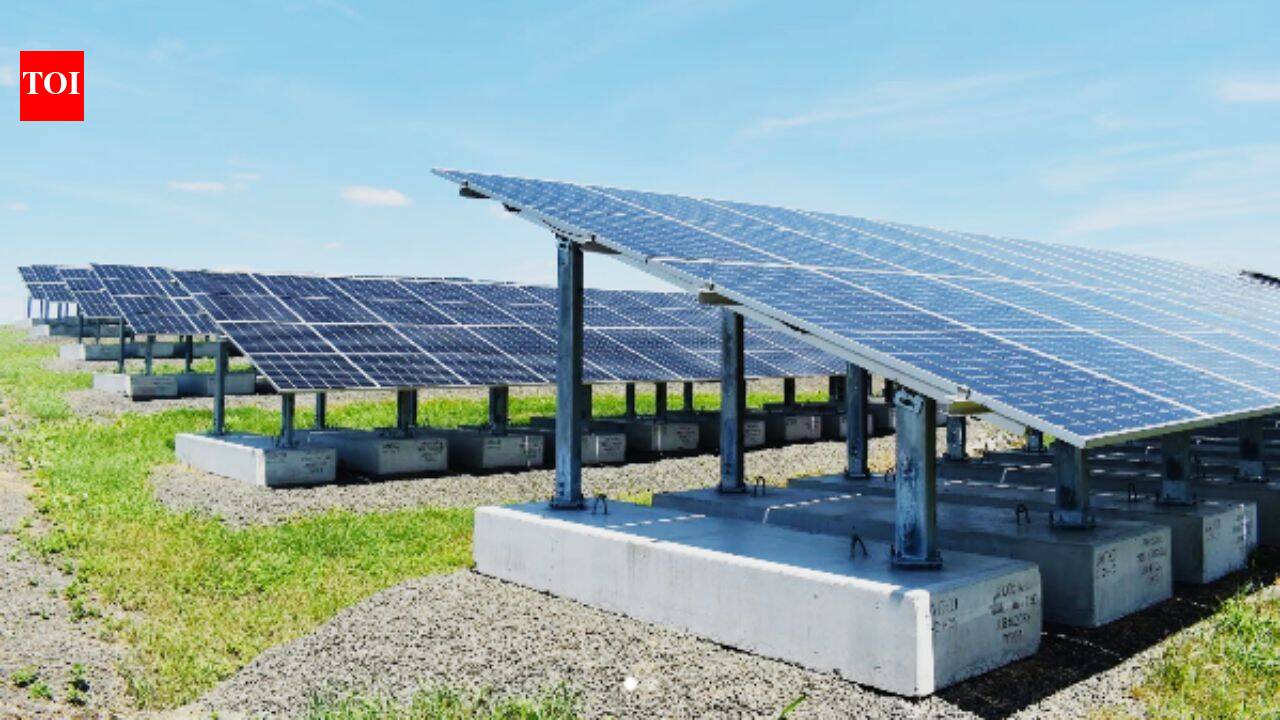
New Haven is repurposing a long-decommissioned landfill into a 1,920-panel solar farm to generate clean energy. This project creates a sustainable revenue stream for the city while contributing to regional renewable energy goals.
New Haven's Sustainable Transformation: From Landfill to Solar Hub
New Haven has embarked on an innovative infrastructure project by repurposing a decommissioned landfill on Middletown Avenue into a functional solar energy site. After remaining idle for over two decades, the site is being revitalized through the installation of 1,920 solar panels. This transition serves as a prime example of land reclamation, proving that post-industrial or waste-management sites can be rehabilitated to provide modern utility services rather than remaining as dormant liabilities.
Strategic Energy Production
The solar farm is engineered to produce over 1.4 million kilowatt-hours of electricity annually. By integrating this output into the local grid managed by United Illuminating (UI), the project directly contributes to the regional energy supply. This model of decentralized energy production is essential for grid resilience, as it supplements traditional power sources with clean, renewable energy that benefits approximately 200 homes.
Economic and Environmental Synergies
Mayor Justin Elicker has confirmed that the project is anchored by a 20-year lease agreement with Greenskies Clean Energy. This partnership is projected to generate $1.4 million in total revenue for the city, averaging $72,000 annually. This financial structure highlights a "win-win" scenario where municipal land assets are monetized to support city budgets while simultaneously advancing environmental sustainability goals.
The Role of Public-Private Partnerships
The success of this initiative relies heavily on the collaboration between the City of New Haven and Greenskies Clean Energy. By leveraging private sector expertise in solar development, the city avoids the capital-intensive risks of managing energy infrastructure while ensuring professional operation and maintenance of the 1,920 panels. This partnership model is becoming a standard for municipalities looking to meet climate targets without overextending municipal resources.
Broader Implications for Urban Development
This project reflects a growing national trend of transforming "brownfield" or former waste sites into renewable energy hubs. Landfills, which are often difficult to develop for residential or commercial use due to soil stability and environmental concerns, are uniquely suited for solar arrays. As more cities prioritize carbon neutrality, the model established in New Haven provides a scalable blueprint for other municipalities to convert underutilized city-owned land into productive, revenue-generating assets.
Conclusion: A Sustainable Future
In summary, the Middletown Avenue project is more than just a solar installation; it is a strategic step toward a greener urban future. By turning a dormant landfill into a clean energy source, New Haven is effectively balancing economic development with environmental stewardship. As the project enters its 20-year operational phase, it will stand as a testament to the viability of repurposing land for long-term community benefit.