Water crisis grips New Sunny Enclave; RWA urges SDM to install three approved tubewells
Source Entity
The Indian Express
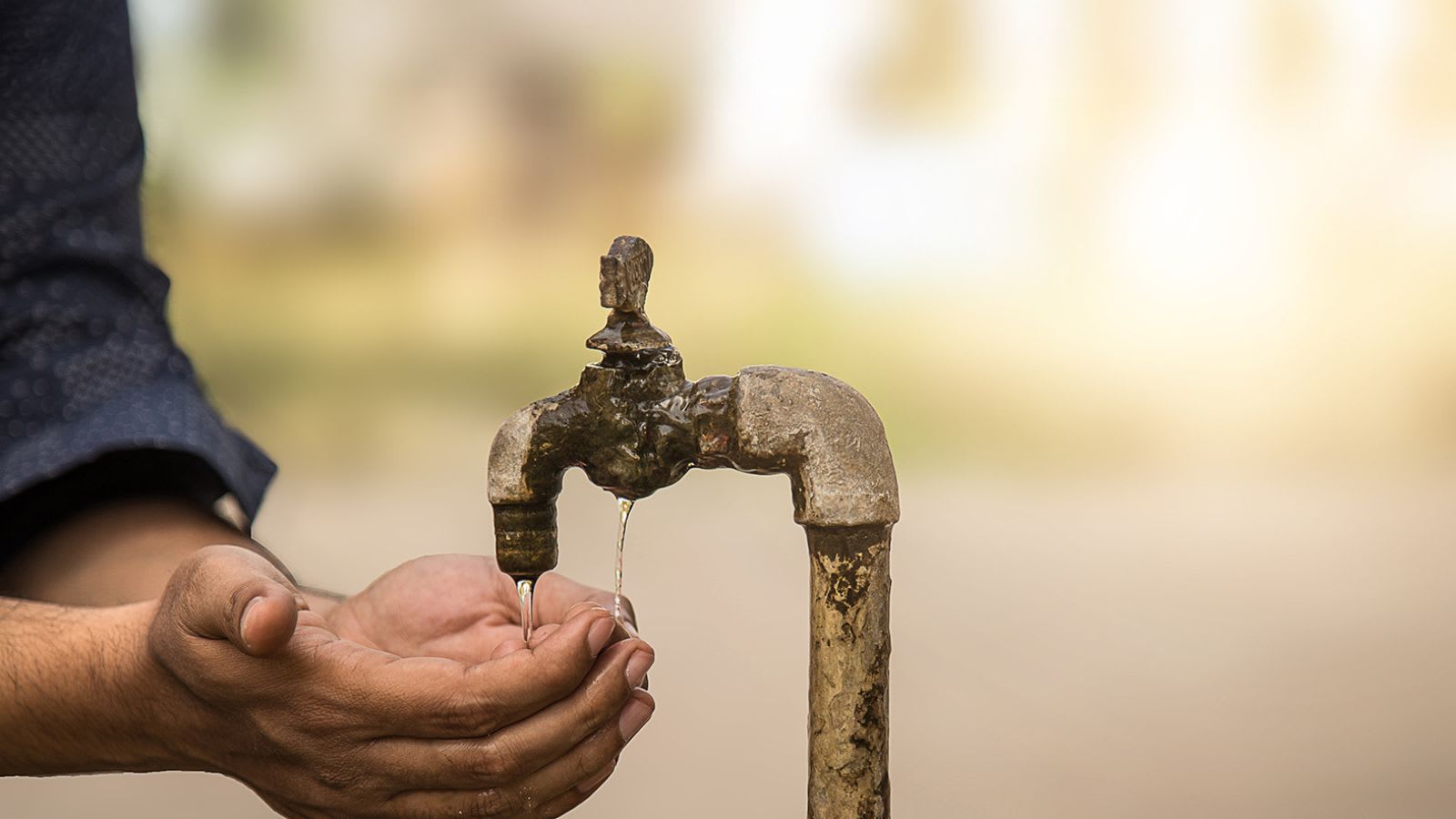
Residents of New Sunny Enclave in Kharar are facing a severe drinking water crisis, prompting the Resident Welfare Association (RWA) to urge the Sub-Divisional Magistrate (SDM) to install three previously approved tubewells to ensure a stable water supply.
Water Scarcity Crisis in New Sunny Enclave: A Deep Dive into Urban Infrastructure Failures
New Sunny Enclave, a sprawling 142-acre residential township located in Sector 125, Kharar, is currently embroiled in a severe drinking water crisis. The situation reached a critical point recently, forcing the Resident Welfare Association (RWA) to organize a delegation to meet with the Sub-Divisional Magistrate (SDM). The core of the dispute lies in the delayed implementation of infrastructure; specifically, the RWA is demanding the immediate installation of three tubewells that have already received official approval but remain uninstalled. This incident highlights a systemic failure in the transition from administrative approval to ground-level execution.
The Administrative Bottleneck and Governance
The fact that these tubewells were already "approved" suggests that the technical necessity and the legal right to the water source have been established. However, the gap between approval and installation indicates a bureaucratic bottleneck. In many rapidly expanding urban fringes like Kharar, the administrative machinery often struggles to keep pace with the speed of residential development. When the SDM is petitioned by an RWA, it signals a breakdown in the standard municipal service delivery, shifting the burden of infrastructure procurement onto the residents themselves who must now lobby the government for basic necessities.
Urbanization and the Pressure on Sector 125
Kharar has experienced an explosion in real estate development over the last decade, with massive townships like New Sunny Enclave transforming the landscape. However, this growth is often "top-heavy," where residential units are constructed far faster than the underlying utility grids. A 142-acre township requires a sophisticated water management system; relying on a few tubewells suggests that the area may lack a centralized municipal water pipeline. This reliance on localized groundwater extraction is a common symptom of unplanned urban sprawl, where developers may have underestimated the long-term water requirements of a high-density population.
Hydrological Implications and Regional Context
From an environmental perspective, the demand for more tubewells in the Punjab region is a double-edged sword. While necessary for immediate survival, the proliferation of borewells contributes to the alarming depletion of the water table in Northern India. The struggle in New Sunny Enclave is a micro-reflection of a macro-crisis: the over-extraction of groundwater. As more townships move toward tubewells to solve short-term shortages, the long-term sustainability of the aquifer is compromised, potentially leading to a future where even deeper borewells fail to yield water.
Socio-Economic Impact on Residents
Beyond the administrative struggle, the daily lives of the residents in Sector 125 are profoundly impacted. A drinking water crisis typically forces households to rely on private water tankers, which are not only expensive but often lack quality certification. This creates an economic burden on the middle-class residents of the enclave and raises significant health concerns regarding water-borne diseases. The desperation of the RWA to meet the SDM underscores the psychological stress and social instability that accompany the loss of basic utility security in a modern residential complex.
Future Outlook and Sustainable Alternatives
Moving forward, the installation of the three approved tubewells will provide temporary relief, but it is not a permanent solution. To prevent the recurrence of this crisis, the local administration and the RWA must look toward sustainable water management. This includes the implementation of mandatory rainwater harvesting systems across the 142-acre estate and the potential integration of the township into a larger city-wide water distribution network. Without a shift from groundwater extraction to water conservation and recycling, New Sunny Enclave will likely find itself back in the SDM's office within a few years as the water table continues to drop.
Summary
The water crisis in New Sunny Enclave is a clear example of the friction between rapid urban expansion and stagnant infrastructure development. While the RWA's push for three approved tubewells is a necessary immediate step, the event serves as a warning about the fragility of water security in Punjab's growing residential hubs. The resolution of this crisis requires not just the drilling of holes in the ground, but a comprehensive rethink of how water is managed in large-scale townships.