NIA chargesheets eight, including Pakistan-based ‘terrorist’, in Ambala car blast case
Source Entity
India Latest News: Top National Headlines Today & Breaking News | The Hindu
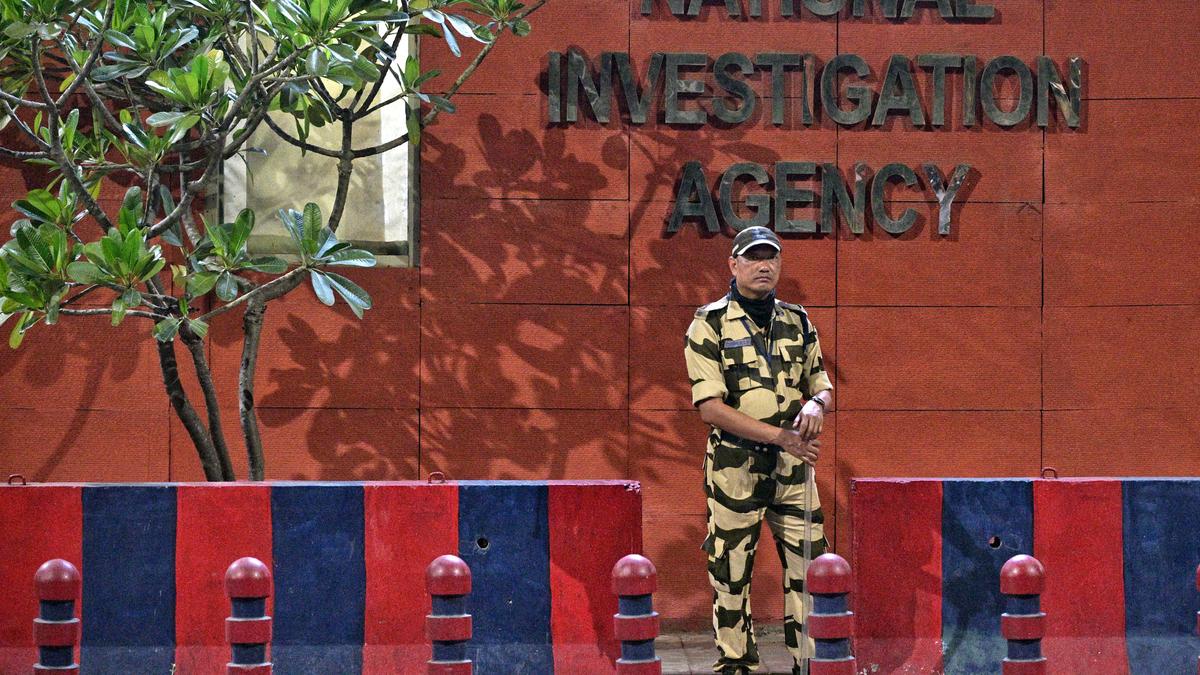
Case relates to a car bomb blast in the parking area of a police station in Haryana in January; NIA alleges that Shehzad Bhatti had recruited and radicalised several through social media platforms and encrypted communication channels
NIA Crackdown on Terror Network in Ambala Car Blast Case
In a significant move to dismantle cross-border terror networks, India's National Investigation Agency (NIA) has filed a comprehensive chargesheet against eight individuals involved in a car bombing that targeted a police station parking area in Ambala, Haryana. The incident, which occurred in January, represents a calculated attempt to destabilize local law enforcement and create a climate of fear. The chargesheet specifically names Shehzad Bhatti, a Pakistan-based operative, as a primary architect of the plot, underscoring the persistent challenge of extraterritorial orchestration of violence within Indian borders.
The Mechanics of Digital Radicalization
A critical aspect of the NIA's findings is the methodology used by Shehzad Bhatti to assemble his cell. According to the investigation, Bhatti did not rely on traditional face-to-face recruitment but instead leveraged the anonymity of the digital age. By utilizing social media platforms and highly encrypted communication channels, the operative was able to identify, groom, and radicalize vulnerable individuals. This shift toward "digital recruitment" allows handlers to operate from safe havens—in this case, Pakistan—while directing tactical operations on the ground, effectively creating a remote-controlled terror infrastructure that is difficult for intelligence agencies to intercept in real-time.
Strategic Significance of the Target
The choice of a police station in Ambala as the target is highly symbolic and strategic. Police stations are the primary face of state authority and security; an attack on such a facility is designed to signal the vulnerability of the state's security apparatus. Ambala, being a critical military and transport hub in Haryana, holds strategic importance. An explosion in this region is not merely a local crime but a targeted strike intended to disrupt the psychological sense of security in a zone of high strategic value, potentially aiming to provoke a wider security crisis or distract forces from other operational priorities.
The Broader Geopolitical Context
This case fits into a broader historical pattern of "hybrid warfare" characterized by the use of non-state actors and digital proxies to execute attacks. The involvement of a Pakistan-based handler aligns with long-standing Indian security concerns regarding the sponsorship of terror cells to conduct low-intensity conflict. By utilizing encrypted apps, the perpetrators attempted to bypass traditional signal intelligence, reflecting a global trend where terrorist organizations migrate toward "dark social" channels to evade the gaze of national security agencies. The NIA's ability to trace these links demonstrates an evolving capability in digital forensics and international intelligence gathering.
Future Implications and Security Trends
Looking forward, the Ambala case serves as a warning regarding the rise of "remote-managed" terror cells. The trend suggests a move away from large, centralized terror groups toward smaller, fragmented cells that are radicalized online and activated for specific, high-impact strikes. This "lone-actor or small-cell" model, coordinated via encrypted platforms, will likely necessitate a shift in counter-terrorism strategies, focusing more on proactive digital monitoring and the disruption of online radicalization pipelines before they manifest into physical violence.
Conclusion
The NIA's chargesheet against Shehzad Bhatti and his accomplices is a pivotal step in bringing the perpetrators of the Ambala blast to justice. By exposing the link between foreign handlers and local executors, the agency has highlighted the dangerous intersection of digital communication and violent extremism. As the legal process unfolds, this case will likely inform future security protocols in Haryana and across India, emphasizing the need for heightened vigilance around strategic installations and a more robust defense against digital infiltration.
Verification Required?