Last-min question papers, more exam centres: Nilekani's plan to prevent NEET paper leaks
Source Entity
AASTHA JHA
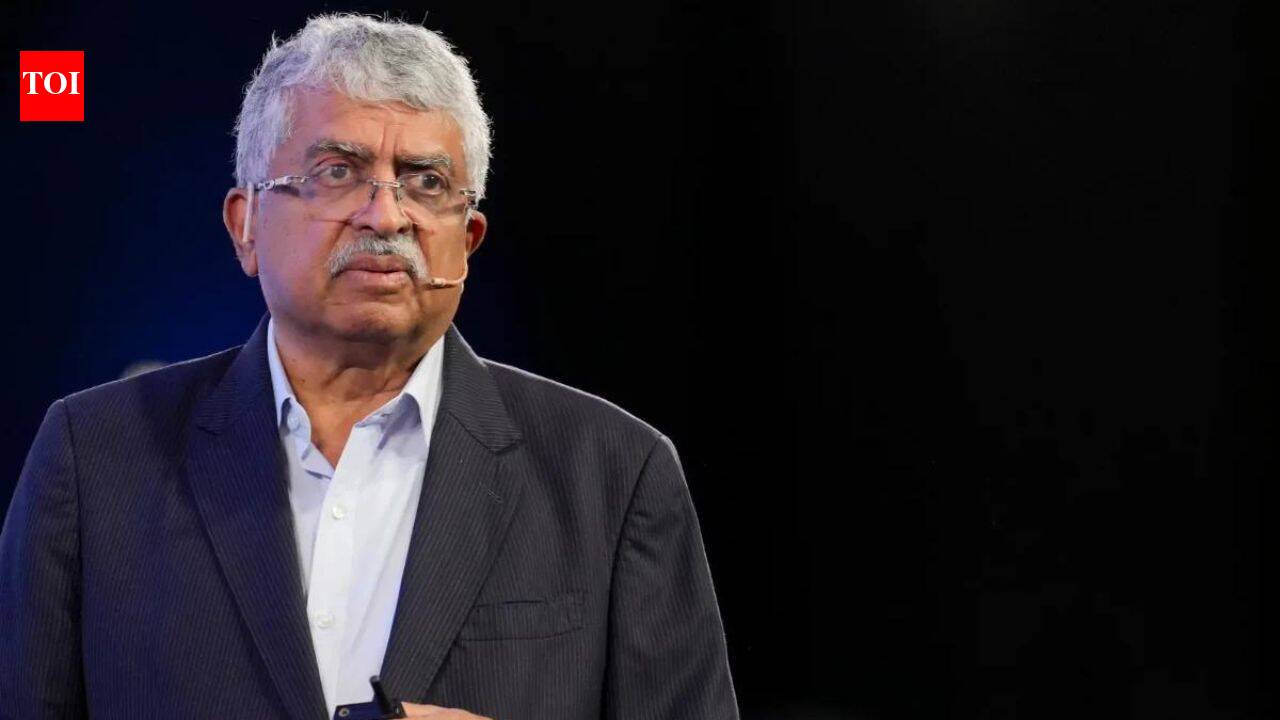
Nandan Nilekani has proposed a strategic overhaul for the NEET examination process, focusing on last-minute question paper distribution and increased center security. These measures aim to mitigate the risk of leaks and restore institutional integrity.
Strengthening NEET Integrity: The Nilekani Proposal
Addressing Systemic Vulnerabilities
The recent proposals spearheaded by Nandan Nilekani to reform the NEET examination process represent a critical pivot toward technological and logistical security. By focusing on the implementation of last-minute question paper distribution and the expansion of examination centers, the plan seeks to neutralize the vulnerabilities that have historically plagued large-scale competitive testing in India. These measures are designed to reduce the window of opportunity for unauthorized access to sensitive materials, thereby safeguarding the sanctity of the examination process.
The Logistics of Last-Minute Distribution
The core of this strategy lies in the logistical shift regarding how question papers are handled. Historically, the transit and storage of physical papers have been the weakest links in the security chain. By transitioning to a model that emphasizes last-minute delivery or digital-to-physical conversion closer to the start time, the system aims to minimize the human touchpoints that often lead to leaks. This approach aligns with broader trends in secure document management, where the reduction of 'dwell time' in insecure environments is a primary security objective.
Expanding Infrastructure for Better Monitoring
Beyond the distribution of papers, the proposal to increase the number of examination centers serves a dual purpose. First, it alleviates the pressure on individual testing sites, allowing for more rigorous surveillance and crowd management. Second, it decentralizes the testing process, making it significantly harder for coordinated malfeasance to occur across multiple, disparate locations. By lowering the student-to-proctor ratio, authorities can implement stricter oversight protocols that were previously unfeasible in high-density testing environments.
Implications for Competitive Testing
The broader implications of these reforms extend beyond the NEET exam itself. If successful, Nilekani’s framework could serve as a blueprint for other high-stakes national examinations in India. The integration of modern logistical controls and heightened security infrastructure is essential to maintain public trust in meritocratic systems. This shift reflects a growing recognition that technological advancements must be matched by robust administrative procedures to ensure equitable outcomes for millions of students.
Future Trends and Institutional Resilience
Looking ahead, the emphasis on procedural reform suggests a long-term commitment to digitizing and securing the examination lifecycle. Future iterations of this plan will likely involve more sophisticated tracking and authentication technologies to further insulate the process from external threats. By institutionalizing these changes, the education sector moves closer to a resilient model that can withstand the complexities of modern competitive testing, ensuring that only merit determines the trajectory of aspiring medical professionals.