Mental harassment I faced, opportunities I lost, cannot be compensated: PhD scholar wins 17-year-long legal battle
Source Entity
Saurabh Parashar
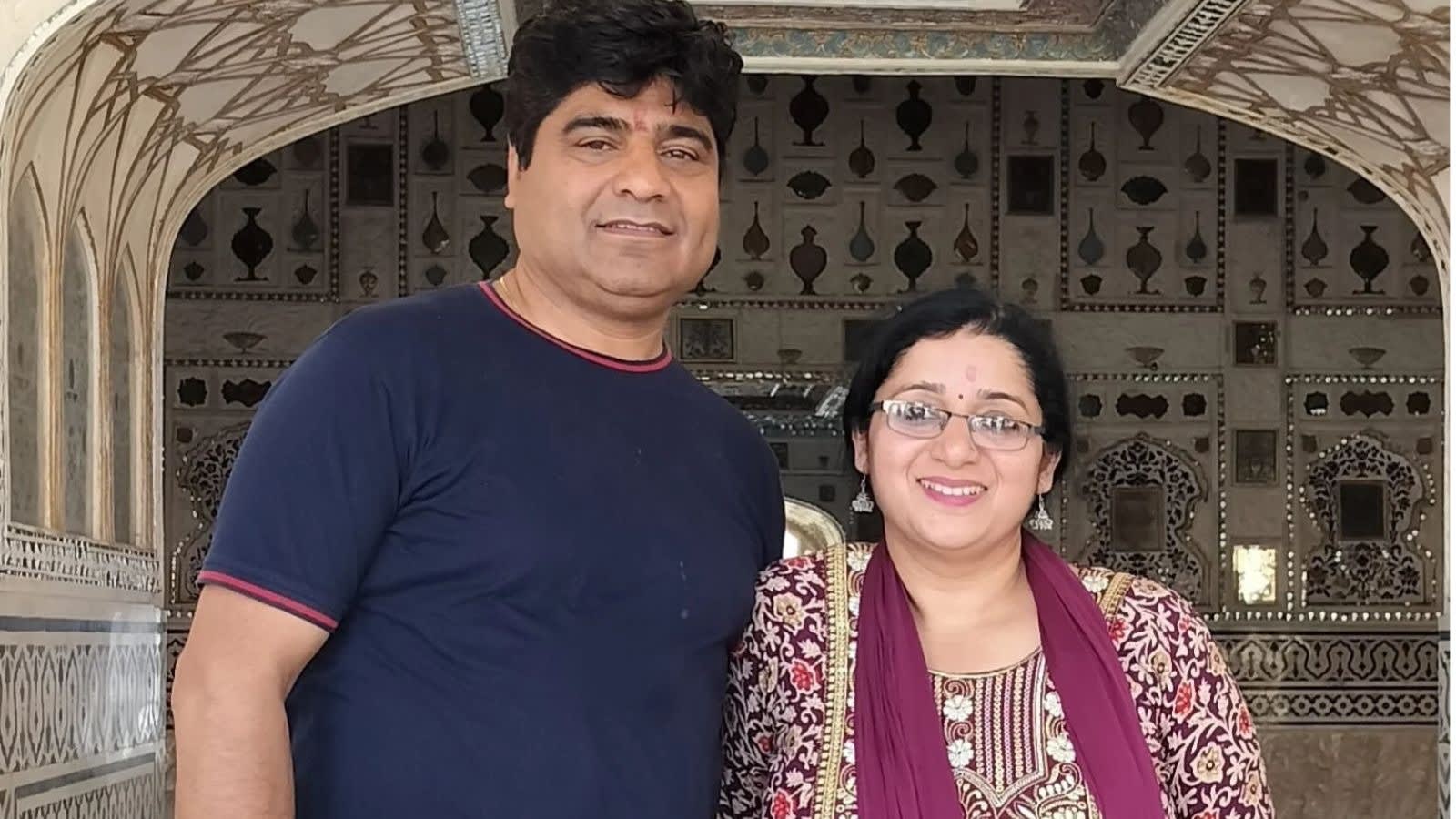
Dr. Sonika Gupta won a 17-year legal battle against Dr. YS Parmar University after being unfairly denied an assistant professor role in 2009. The Himachal Pradesh High Court has ordered her immediate appointment with full service benefits.
A Victory for Academic Integrity: The Case of Dr. Sonika Gupta
After a grueling 17-year legal struggle, Dr. Sonika Gupta has finally secured a landmark judgment from the Himachal Pradesh High Court. The case centers on an interview process conducted in 2009 at the Dr. YS Parmar University of Horticulture and Forestry. Despite possessing a PhD and superior academic credentials compared to the selected candidate, Dr. Gupta was overlooked for the position of Assistant Professor in Agricultural Economics. This ruling serves as a poignant reminder of the systemic hurdles often faced by qualified candidates in institutional hiring processes.
The Anatomy of a Legal Battle
The judicial intervention, finalized on October 8, mandates that the university appoint Dr. Gupta to a vacant unreserved post. The court’s decision goes beyond mere appointment; it ensures the restoration of her professional dignity through consequential service benefits. This includes full seniority, proper pay fixation, and the recognition of continuity of service from the date she should have originally been hired. The ruling effectively corrects a historical wrong that sidelined a highly qualified educator for nearly two decades.
The Unquantifiable Cost of Delay
While the court’s order provides a measure of justice, Dr. Gupta, now 48, has highlighted the profound personal toll of this ordeal. The mental harassment and the professional stagnation resulting from the university's initial decision are losses that legal mandates cannot fully reverse. This case underscores the reality that administrative negligence in public institutions carries a deep human cost, often derailing careers and personal aspirations during the most productive years of a scholar's life.
Implications for Institutional Hiring
This verdict sends a stern message to academic institutions regarding the necessity of transparency and meritocracy in recruitment. By ordering the university to honor the credentials of a candidate who was unfairly bypassed, the High Court has reaffirmed the principle that academic excellence must be the primary driver of selection processes. It serves as a deterrent against nepotism and biased selection panels that prioritize factors other than merit, which have historically plagued various state-run universities.
Future Trends in Academic Litigation
As more professionals become aware of their rights, the legal landscape surrounding academic appointments is likely to shift toward increased scrutiny. The success of Dr. Gupta’s case may embolden other scholars to challenge arbitrary hiring decisions, potentially leading to more rigorous audit processes within university selection committees. Ultimately, this case highlights the critical need for robust, independent oversight in academic recruitment to ensure that talent is recognized and protected from the outset.