DU orders campus safety audits, sets October 12 deadline for report submission
Source Entity
Latest News: Todays Latest News Headlines from India & World | Hindustan Times | Hindustan Times
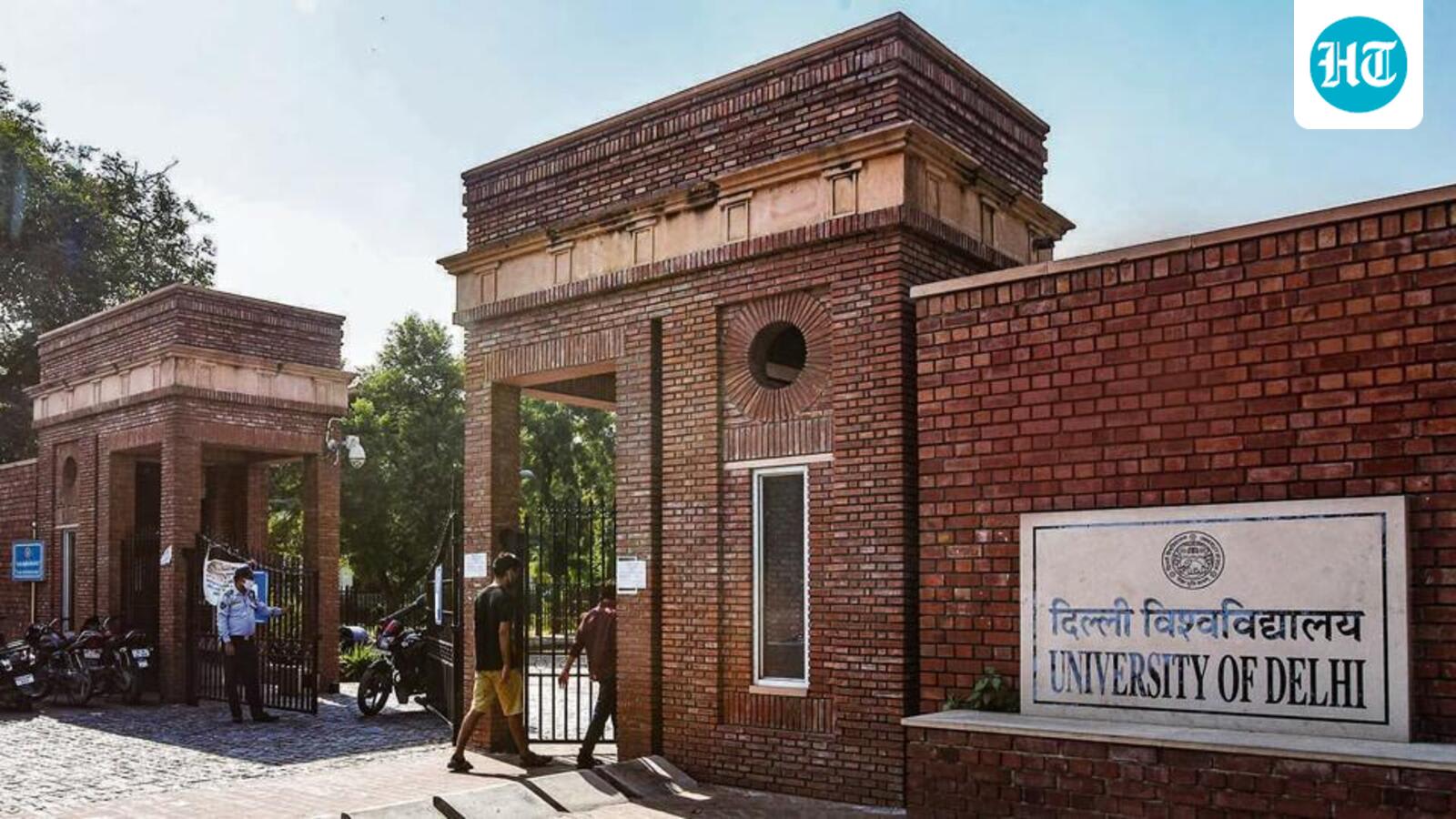
The University of Delhi has ordered a comprehensive safety audit across its campuses, hostels, and departments. The initiative focuses on infrastructure upgrades like CCTV installation, lighting repairs, and enhanced police surveillance to bolster women's safety by the October 12 deadline.
Strengthening Campus Security: Delhi University’s Proactive Safety Mandate
The University of Delhi (DU) has initiated a critical, university-wide safety audit following an online consultative meeting between the Proctor and key stakeholders, including college principals, deans, and hostel wardens. This directive marks a significant administrative pivot toward infrastructure-led security, mandating that all departments and hostels identify and rectify safety gaps by the firm deadline of October 12. By formalizing this audit process, the university aims to move beyond reactive security measures and instead establish a robust, preventative framework for its expansive student population.
Infrastructure Overhaul: Lighting and Surveillance
Central to this safety initiative is a technical overhaul of campus premises. The administration has explicitly directed the repair of non-functional lighting, the identification of 'blind spots' that currently compromise visibility, and the widespread installation of CCTV cameras. These measures are designed to eliminate environmental vulnerabilities that often facilitate harassment. Furthermore, the directive includes the pruning of trees that currently obstruct visibility, illustrating a granular approach to environmental design—a strategy known as Crime Prevention Through Environmental Design (CPTED), which emphasizes that physical surroundings play a vital role in psychological and physical safety.
Collaborative Security and Police Integration
Beyond internal infrastructure, the University of Delhi is seeking to bridge the gap between campus security and municipal law enforcement. Proposals discussed during the stakeholder meeting include increasing the frequency of police patrols near hostels and colleges and deploying dedicated surveillance teams. The inclusion of 'pink booths'—specialized police assistance points for women—and the optimization of the Vamika police van service indicates a multi-agency strategy. This collaborative approach suggests that the university recognizes that campus safety cannot be managed in a silo and requires active integration with city-wide law enforcement efforts.
The Administrative Push: Accountability and Deadlines
By setting a strict October 12 deadline for the submission of detailed inspection reports, the university is enforcing a high level of accountability among department heads and college principals. This administrative pressure ensures that the audit is not merely a policy suggestion but an actionable project. The requirement for these officials to work closely with the university’s engineering department further ensures that repairs are not just identified, but technically executed to meet safety standards.
Broader Implications and Future Trends
This initiative reflects a broader trend in Indian higher education, where universities are increasingly taking responsibility for the 'safe passage' of their students. As urban campuses grow, the challenge of securing large, open spaces becomes more complex. If successful, this audit could serve as a model for other large central universities. Future trends in this space will likely involve the integration of 'smart' surveillance technologies and continuous digital monitoring, as institutions seek to balance the need for open, academic environments with the non-negotiable requirement for student safety.
Conclusion
In summary, the University of Delhi's latest directive is a comprehensive effort to mitigate security risks through infrastructure improvements and strengthened police coordination. By addressing physical vulnerabilities and setting a clear timeline for compliance, the university is taking a decisive step toward fostering a safer environment for its female students and staff, setting a precedent for institutional responsibility in urban academic settings.
Verification Required?