Ninja’s microwave air fryer could be the fix for soggy reheated pizza
Source Entity
Andrew Liszewski
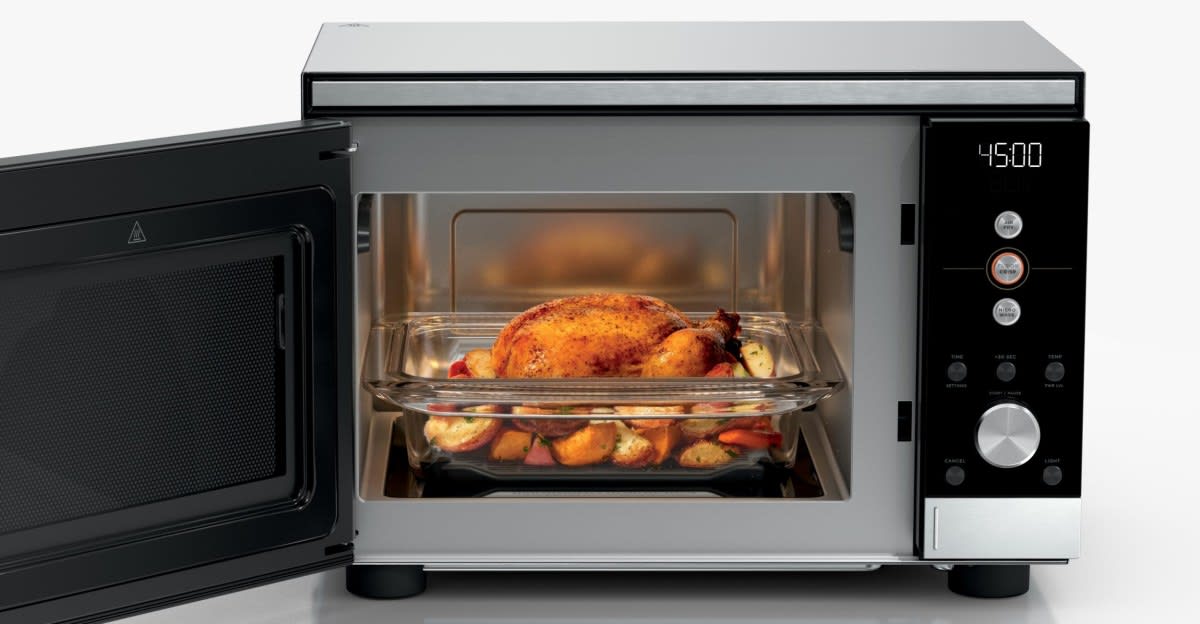
Ninja has entered the microwave market with the Ninja Crispi, a hybrid appliance that combines microwave speed with air fryer technology to prevent food from becoming soggy during reheating.
Redefining the Reheating Experience: The Ninja Crispi
Ninja has long established itself as a powerhouse in the small kitchen appliance market, known for its aggressive expansion into blenders, pressure cookers, and high-performance air fryers. The introduction of the Ninja Crispi Microwave marks a significant strategic pivot for the brand, as it enters the microwave category—a space traditionally dominated by legacy appliance giants. By focusing on the specific pain point of "soggy" reheated food, Ninja is not merely launching a new product but is attempting to solve a fundamental culinary frustration that has plagued microwave users for decades.
The Science of the Hybrid Approach
To appreciate the innovation of the Crispi, one must understand the inherent conflict between microwave and convection heating. Traditional microwaves work by exciting water molecules, which creates steam; while efficient for heating, this steam often results in the dreaded limp crust on pizza or rubbery textures in fried foods. By integrating air fryer technology—which relies on a heating element and a powerful fan to circulate hot air—the Ninja Crispi creates a dual-action environment. This allows the appliance to heat the core of the food rapidly via microwaves while simultaneously searing the exterior to maintain a crisp texture, effectively bridging the gap between the speed of a microwave and the quality of a conventional oven.
Market Positioning and Convergence Trends
This product launch is a prime example of "convergence technology" in the home goods sector. Ninja is leveraging its existing brand equity as an air fryer leader to disrupt the stagnant microwave market. For years, the microwave has been viewed as a commodity appliance with little innovation. By transforming it into a multi-functional tool, Ninja is targeting the "prosumer"—the home cook who values efficiency but refuses to sacrifice the sensory experience of their food. This strategy allows Ninja to further embed itself into the consumer's kitchen ecosystem, continuing its trend of offering comprehensive, albeit space-consuming, appliance solutions.
Addressing Consumer Pain Points: The Pizza Dilemma
The specific mention of reheated pizza in the product's value proposition is a masterstroke of consumer psychology. Pizza is the universal benchmark for the failure of the traditional microwave. By positioning the Crispi as the "fix" for this specific problem, Ninja creates an immediate, relatable use case that resonates with a wide demographic. In an era dominated by food delivery and meal-prepping, the ability to restore "day-one" quality to leftovers is a high-value proposition that transforms the microwave from a tool of necessity into a tool of enhancement.
Broader Implications for Kitchen Innovation
Looking ahead, the Ninja Crispi suggests a future where single-purpose appliances become obsolete. We are likely to see a surge in "multi-modal" devices that can seamlessly switch between different heating methods—such as steam, microwave, and convection—within a single chassis. As urban living spaces become smaller, the demand for versatile appliances that replace three or four separate machines will increase. However, the challenge for Ninja will be maintaining the high performance of both technologies without compromising the footprint of the device, balancing the "counter-clogging" nature of their lineup with the need for functional efficiency.
Conclusion
Ultimately, the Ninja Crispi Microwave represents a calculated attempt to redefine the standard for food reheating. By solving the structural problem of moisture retention in microwaved foods, Ninja is pushing the industry toward a more sophisticated hybrid model. If the device successfully delivers on its promise of crispiness and speed, it will likely force other manufacturers to innovate, potentially ending the era of the basic microwave and ushering in a new age of high-fidelity kitchen hybrids.