Nintendo beats earnings thanks to US tariff refunds it won’t share with gamers
Source Entity
Jess Weatherbed
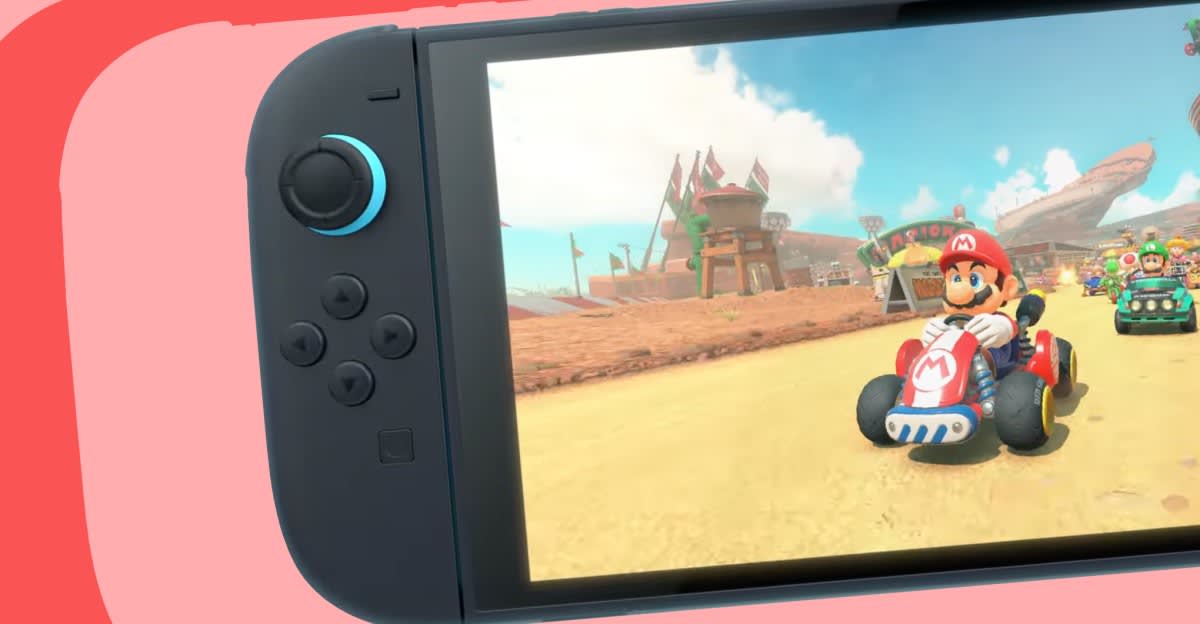
Nintendo reported a 150.5% surge in operating profits to 142.5 billion yen, driven by strong software sales and US tariff refunds. Despite this financial success, the company confirmed that these windfalls will not translate into price cuts or benefits for consumers.
Nintendo's Financial Surge: A Deep Dive into Q1 Performance
Nintendo has reported a remarkable start to its fiscal year, with operating profits soaring to 142.5 billion yen ($902 million) for the period between April 1st and June 30th. This represents a staggering 150.5 percent increase compared to the 56.9 billion yen recorded during the same quarter last year. This growth highlights the company's resilient business model, which continues to leverage its extensive intellectual property library even as hardware cycles begin to shift.
The Dual Drivers of Profitability
The company’s financial success is attributed to two primary factors: sustained momentum in software sales and the impact of retroactive US tariff refunds. While the gaming community often hopes for consumer-facing benefits—such as price reductions or increased digital discounts—following corporate windfalls, Nintendo has clarified that these tariff-related gains will not be passed on to the end-user. This decision underscores a conservative fiscal strategy aimed at bolstering the balance sheet rather than incentivizing market growth through direct consumer subsidies.
Software Strength Amid Hardware Transitions
Despite the overall profit surge, hardware sales for the original Switch console saw a decline, dropping from 5.82 million units to 3.82 million units. This is a typical phenomenon in the latter stages of a console's life cycle. However, this shortfall was more than compensated for by software performance. Software sales for the original Switch saw a robust increase of 38.6 percent, proving that the installed base remains highly active and engaged with Nintendo’s ecosystem, even as interest in the older hardware begins to wane.
The Role of 'Switch 2' Software
Interestingly, the report highlights a 9.2 percent increase in software sales categorized under 'Switch 2.' This data point suggests that Nintendo is successfully cultivating demand for its next-generation ecosystem well in advance of a full hardware launch. By prioritizing software availability and cross-generational engagement, Nintendo is attempting to mitigate the 'valley of death' often experienced by gaming companies between console generations.
Broader Economic Implications
The reliance on tariff refunds as a significant component of quarterly earnings demonstrates the complexities of global supply chains for multinational gaming firms. Nintendo’s ability to navigate trade policies in the United States while maintaining high software attach rates provides a buffer against the inherent volatility of hardware sales. This strategy ensures that the company remains profitable even when hardware adoption rates naturally taper off.
Future Trends and Outlook
Looking ahead, the divergence between declining hardware units and increasing software engagement suggests that Nintendo is shifting its focus toward a service-oriented model. While fans may be disappointed that tariff refunds will not lower costs, investors are likely to view this as a sign of disciplined management. As the company moves closer to the full transition to its next-generation console, the focus will remain on maintaining high software margins to sustain this impressive level of profitability.