Nintendo customers have no legal right to tariff refunds, company tells judge
Source Entity
Jon Brodkin
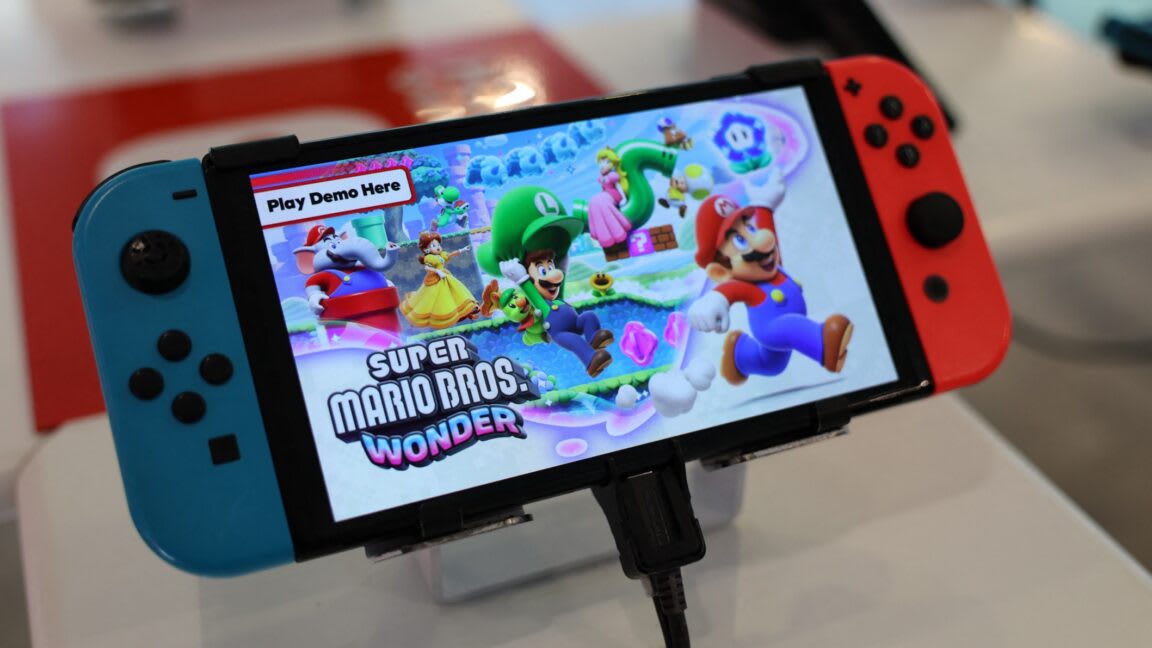
Nintendo has filed a motion to dismiss a class-action lawsuit demanding the company pass government tariff refunds to customers. The company argues that consumers received their products at agreed-upon prices and have no legal claim to future corporate tax or tariff adjustments.
Nintendo Challenges Tariff Refund Class-Action Lawsuit
Nintendo has formally requested that a federal court dismiss a class-action lawsuit that seeks to compel the company to distribute government tariff refunds to its customers. The plaintiffs, representing U.S. residents who purchased Nintendo products between February 2025 and February 2026, argue that they should benefit from potential tariff rebates Nintendo may receive. However, Nintendo’s legal team has countered this assertion, maintaining that the original transactions were completed fairly and that the subsequent change in the legal landscape regarding tariffs does not entitle consumers to retroactive price adjustments.
The Legal Argument: Transactional Finality
At the heart of the dispute is the principle of transactional finality. Nintendo’s motion to dismiss explicitly argues that the plaintiffs are attempting to create a "legal duty out of whole cloth" to alter prices for sales that have already been finalized. From a retail perspective, when a customer purchases a Switch console, the price paid reflects the market value and existing cost structure at that specific moment. Nintendo maintains that once a consumer receives the product they paid for, the contractual obligation is fulfilled, regardless of how the company’s internal tax or tariff liabilities evolve thereafter.
Broader Implications for Retail and Trade
This case highlights the growing friction between corporate trade policy and consumer expectations. In an era of volatile global supply chains, companies frequently navigate complex tariff regimes. If courts were to establish a precedent requiring companies to pass on tariff refunds to end-users, it could fundamentally disrupt retail pricing models. Businesses often absorb or pass on costs based on a variety of factors; allowing consumers to claim a stake in corporate tax recovery could lead to a wave of litigation whenever a government alters trade policy or duty structures.
Historical Context of Trade Litigation
Historically, tariff disputes have largely been confined to the B2B sector, involving importers and government agencies. This lawsuit represents a shift toward consumer-level intervention in corporate trade strategy. By seeking to represent a broad class of U.S. residents, the plaintiffs are testing the limits of consumer protection laws in relation to corporate financial adjustments. Should the court side with Nintendo, it will reinforce the standard that consumer prices are fixed at the point of sale, providing a clear boundary for future retail lawsuits.
Future Trends in Consumer Law
Looking ahead, this case could serve as a bellwether for how class-action litigation evolves in the face of shifting international trade policies. If the plaintiffs were to succeed, companies might become increasingly hesitant to pursue tariff refunds from the government if they know that such actions would trigger a requirement to redistribute those funds. Conversely, a dismissal would likely discourage similar attempts to 're-price' past consumer goods, providing a level of legal certainty for multinational corporations operating in the United States.
Conclusion
Ultimately, Nintendo’s defense relies on the fundamental concept that a retail purchase is a closed transaction. By asserting that consumers have no legal entitlement to corporate refunds, Nintendo is defending the stability of its pricing structure. As the court evaluates the motion to dismiss, the outcome will likely hinge on whether existing consumer protection statutes can be interpreted to cover retroactive corporate tax benefits—a hurdle that appears significant given the current legal arguments presented by the company.