Bucking EV slowdown, Sila raises $300M to expand battery materials factory
Source Entity
Tim De Chant
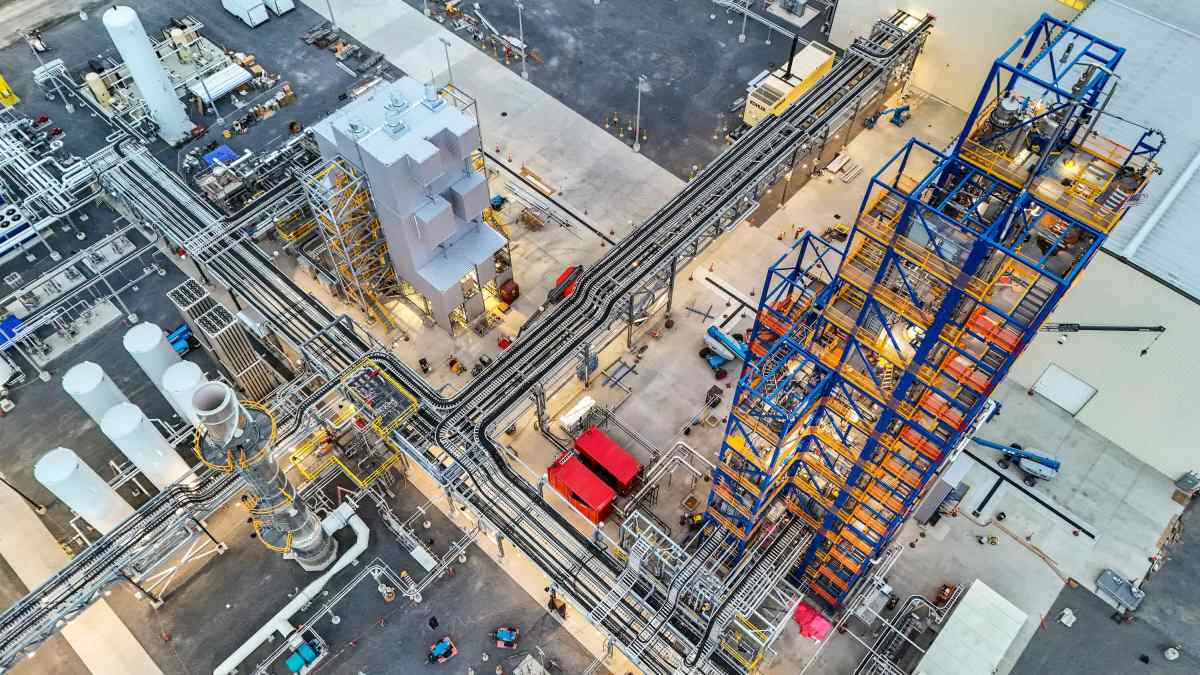
Battery startup Sila has secured $300 million to scale its silicon-carbon anode production in Washington. Despite a cooling U.S. EV market, the company continues to capitalize on global growth and key partnerships with major manufacturers.
Sila’s Strategic Expansion Amid Market Headwinds
Battery materials innovator Sila has successfully secured a $300 million funding round, a significant milestone that underscores investor confidence in advanced propulsion technology despite a challenging macroeconomic environment. This capital infusion is specifically earmarked for the expansion of the company’s Washington State facility, aimed at scaling the production of its proprietary silicon-carbon anode material. With this increased capacity, Sila intends to supply enough material to support the manufacturing of over 100,000 electric vehicles (EVs), marking a critical step in the commercialization of high-performance battery components.
Navigating the U.S. EV Demand Slowdown
The timing of Sila’s expansion is particularly notable given the current state of the American automotive market. Domestic EV demand has experienced a period of softening, a trend attributed in part to the current administration’s legislative and regulatory efforts to curb the adoption of electric propulsion. Following a surge in demand that preceded the sunset of federal tax credits in 2025, current sales figures have faced downward pressure. However, Sila’s ability to raise capital suggests that long-term investors are looking past these short-term domestic fluctuations toward a more resilient future for battery technology.
Global Market Dynamics vs. Domestic Trends
While the U.S. market grapples with a temporary lull, the global landscape remains robust. Data from Benchmark Minerals Intelligence indicates that global EV sales have climbed 27% year-over-year, highlighting a stark contrast between domestic stagnation and international momentum. By positioning itself to serve a global supply chain, Sila is effectively hedging against localized policy shifts. This international focus is essential for any materials supplier aiming to maintain high-volume production schedules regardless of regional political volatility.
Strategic Partnerships and Diversified Revenue
Sila’s business model is bolstered by a diverse portfolio of high-profile partnerships that extend beyond standard automotive contracts. The company has already solidified supply agreements with industry giants such as Mercedes and Panasonic, ensuring a clear path to market for its silicon-carbon anodes. By integrating its materials into the supply chains of established automakers, Sila is mitigating the risks associated with the adoption curve of new battery chemistries.
Beyond the Automotive Sector
Further diversifying its risk, Sila has successfully expanded its footprint into the consumer electronics and aerospace sectors. By supplying materials to companies like Whoop and various drone manufacturers, Sila ensures that its revenue streams are not entirely dependent on the cyclical nature of the automotive industry. This multi-sector approach provides a buffer against the current EV-specific demand slowdown, allowing the firm to continue its factory expansion without being tethered solely to the performance of electric car sales.
Future Outlook and Technological Impact
The shift toward silicon-carbon anodes represents a significant technological leap over traditional graphite-based batteries, offering improved energy density and charging efficiency. As Sila ramps up its Washington operations, the company is positioning itself as a vital link in the global energy transition. Despite the political headwinds in the U.S., the fundamental requirement for more efficient battery materials remains unchanged, suggesting that Sila’s strategic investment will likely yield long-term dividends as the global market for electrified transportation continues to expand.