Salman Khan questions Rs 4,000 crore budget narrative around Ramayana: ‘Film should be discussed for characters’
Source Entity
Gayatri Nirmal
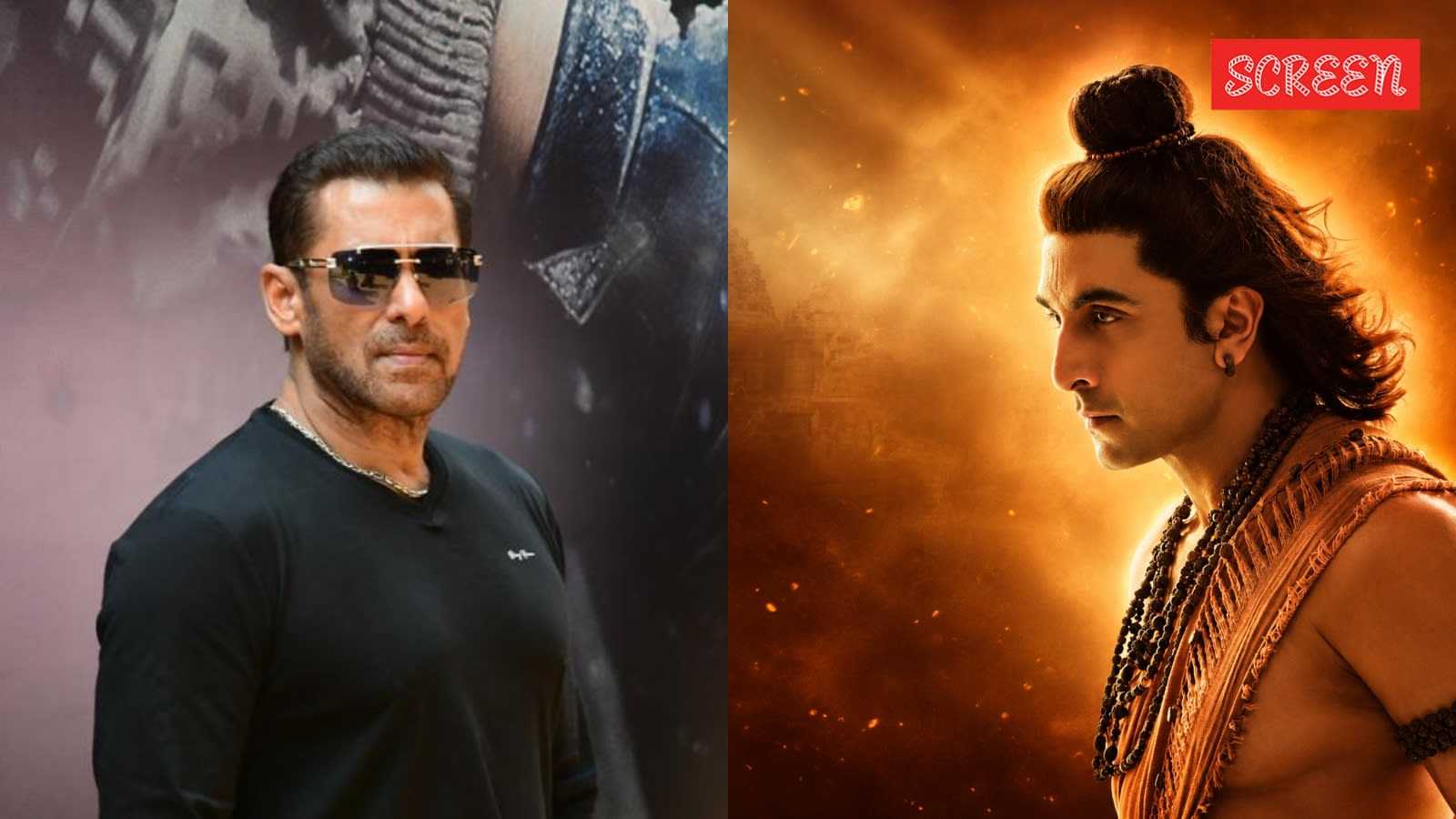
Nitesh Tiwari’s high-budget adaptation of the Ramayana has premiered, drawing attention for its massive scale, intricate production design, and historical artistic collaborations. The film, which concludes its first part with the Sita Haran, has set a new benchmark for Indian cinema through its lavish sets and handcrafted jewelry.
The Grand Scale of Nitesh Tiwari’s Ramayana
Nitesh Tiwari’s ambitious adaptation of the Indian epic, Ramayana, has officially arrived in theatres, marking a significant milestone in Indian cinema. With a staggering reported budget of Rs 4000 crore for the project and approximately Rs 1600 crore dedicated to the first installment, this production represents the most expensive endeavor in the history of the Indian film industry. By grounding the majority of its production within India, the film serves as a testament to the country's growing capability in handling large-scale, technically demanding cinematic projects.
Craftsmanship and Artistic Collaboration
A core pillar of the film's visual identity is its commitment to authentic, high-end production design. The jewelry featured throughout the film was custom-crafted by Tribe Amrapali, a brand renowned for its expertise in period aesthetics. Having previously contributed to blockbusters like Baahubali and Manikarnika, the brand describes the Ramayana project as their most monumental task. This partnership underscores a trend where Indian filmmakers are increasingly relying on specialized artisans to ensure that the material culture of ancient epics is rendered with both grandeur and meticulous detail.
Opulence in Art Direction
The visual narrative is further bolstered by record-breaking expenditures on set design and prop construction. Reports from the art department indicate that the production spared no expense, with Ravana’s throne alone crafted from 24K gold at a cost of Rs 1 crore, while Surpanakha’s chariot was built at a cost of Rs 1.5 crore. These figures reflect a shift toward a 'prestige' model of filmmaking in India, where the tangible quality of physical sets is combined with high-end VFX, such as those provided by DNEG, to create a fully immersive experience.
A New Narrative Arc
Departing from traditional adaptations, Nitesh Tiwari’s version offers a distinct structural approach. The film delves into the origins of Dashanan’s transformation into the formidable Ravana, while carefully tracing the events leading to the marriage of Lord Rama and Sita. By choosing to end the first part at the critical juncture of the Sita Haran and the mortal wounding of Jatayu, the narrative creates a sense of suspense. Jatayu’s final warning to Rama—that the path to Lanka will require an extraordinary army—sets the stage for a more intense and challenging second installment.
Broader Implications and Future Trends
The massive investment and technical scale of Ramayana signal a new era for Indian mythological cinema. By blending indigenous artistic heritage with global-standard visual effects, the film attempts to redefine how epic stories are told on the big screen. As the audience awaits the second part, the success of this project will likely influence future budgetary trends and production strategies for mythological and historical epics in India, proving that high-budget, locally-produced content can compete on a global scale.
Multiple Citing Sources