‘We don’t know, we have to assume’: Ramayana jewellery designer on inauthenticity claims
Source Entity
Devansh Sharma
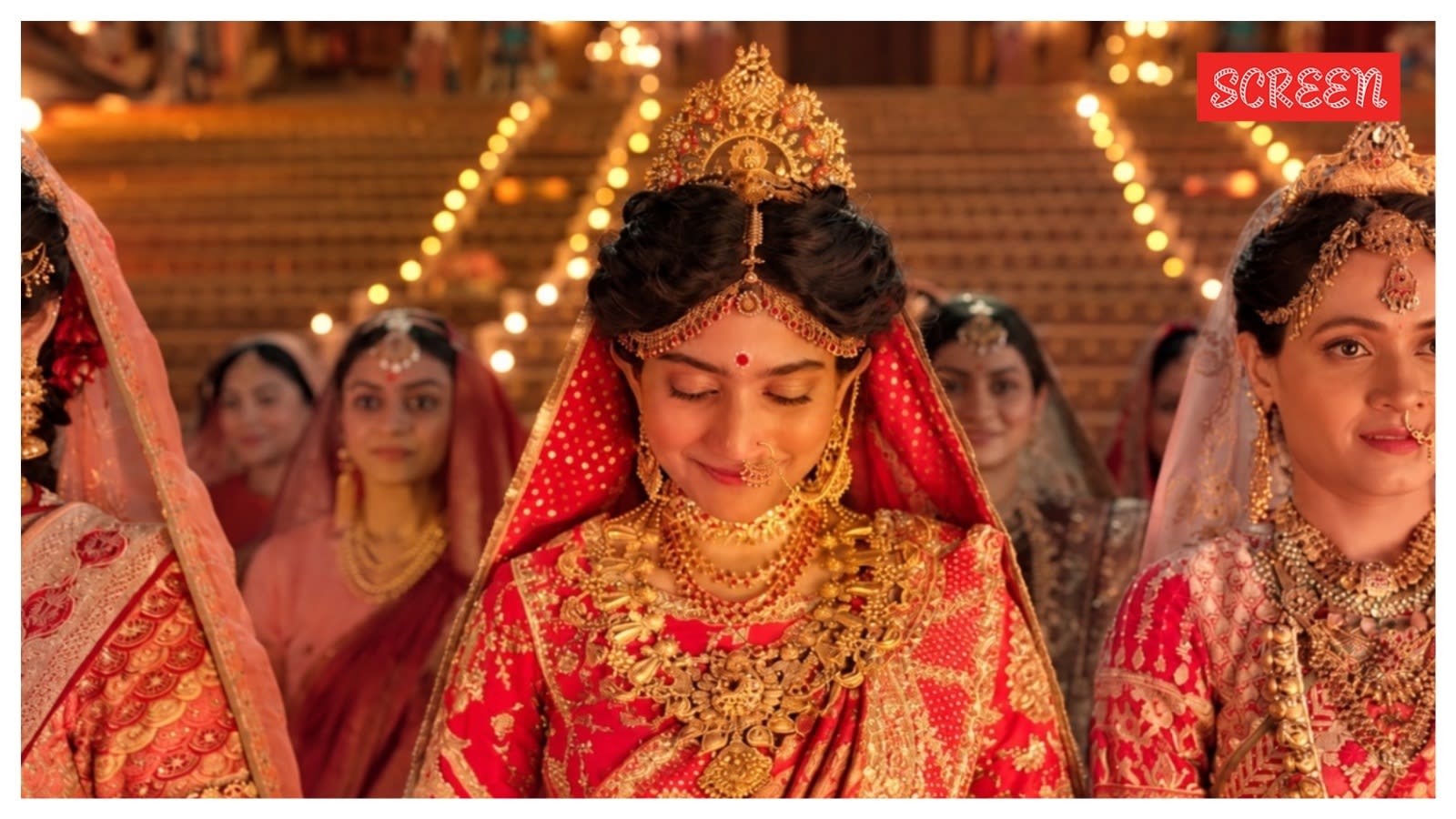
Nitesh Tiwari’s high-budget adaptation of the Ramayana has premiered, drawing attention for its massive production scale and intricate craftsmanship. The film, noted for its opulent set design and jewelry, concludes its first installment with the abduction of Sita, setting the stage for a grand sequel.
The Grand Scale of Nitesh Tiwari’s Ramayana
Nitesh Tiwari’s long-awaited adaptation of the Indian epic, Ramayana, has officially arrived in theatres, marking a watershed moment in the history of Indian cinema. With a staggering reported budget of Rs 4000 crore, the production represents an unprecedented investment in domestic filmmaking. By leveraging top-tier technical expertise, such as DNEG’s visual effects, the film seeks to redefine the aesthetic standards of mythological storytelling on the silver screen.
Craftsmanship and Authenticity
A standout element of the production is its commitment to tangible, handcrafted detail. Tribe Amrapali, the renowned brand from Jaipur, Rajasthan, was tasked with creating custom jewelry for the entire cast. Having previously worked on major cinematic projects like Baahubali and Manikarnika, Tribe Amrapali’s CEO Tarang Arora described this as their most monumental undertaking to date. This focus on material authenticity extends to the film's set design; art directors have revealed that individual assets, such as Ravana’s 24K gold throne and Surpanakha’s chariot, commanded costs of Rs 1 crore and Rs 1.5 crore respectively, underscoring the film's commitment to visual opulence.
Narrative Scope and Evolution
The film distinguishes itself from traditional retellings by adopting a more nuanced narrative structure. Rather than a conventional linear progression, Tiwari’s direction delves into the psychological and historical transformations that led Dashanan to become the formidable Ravana. By tracing the chain of events leading to the marriage of Lord Rama and Sita, the film establishes a deep character foundation before accelerating toward the central conflict of the epic.
The Climax of Part One
Ramayana: Part 1 concludes on a poignant and dramatic note, ending with the abduction of Sita and the mortal wounding of Jatayu. This tactical narrative choice serves to heighten the stakes for the audience. As Jatayu lies dying, he issues a grave warning to Rama, emphasizing that the quest to locate Lanka and dismantle Ravana’s empire will be significantly more arduous than any previous challenge faced by the protagonist.
Future Trends and Expectations
The conclusion of the first installment leaves the audience with the firm promise of an escalating conflict. Lord Rama’s vow to reclaim Sita and his declaration to eliminate any opposition signals a shift in tone for the sequel, which is expected to focus on the assembly of an extraordinary army. This transition marks a shift toward a larger-than-life war epic, setting a high bar for future installments and potentially establishing a new template for high-budget, VFX-heavy Indian mythological cinema.
Multiple Citing Sources