Salman Khan says fans' focus should be on Rama and Sita in Ramayana, not on ' ₹4000 crore budget or VFX'
Source Entity
Latest News: Todays Latest News Headlines from India & World | Hindustan Times
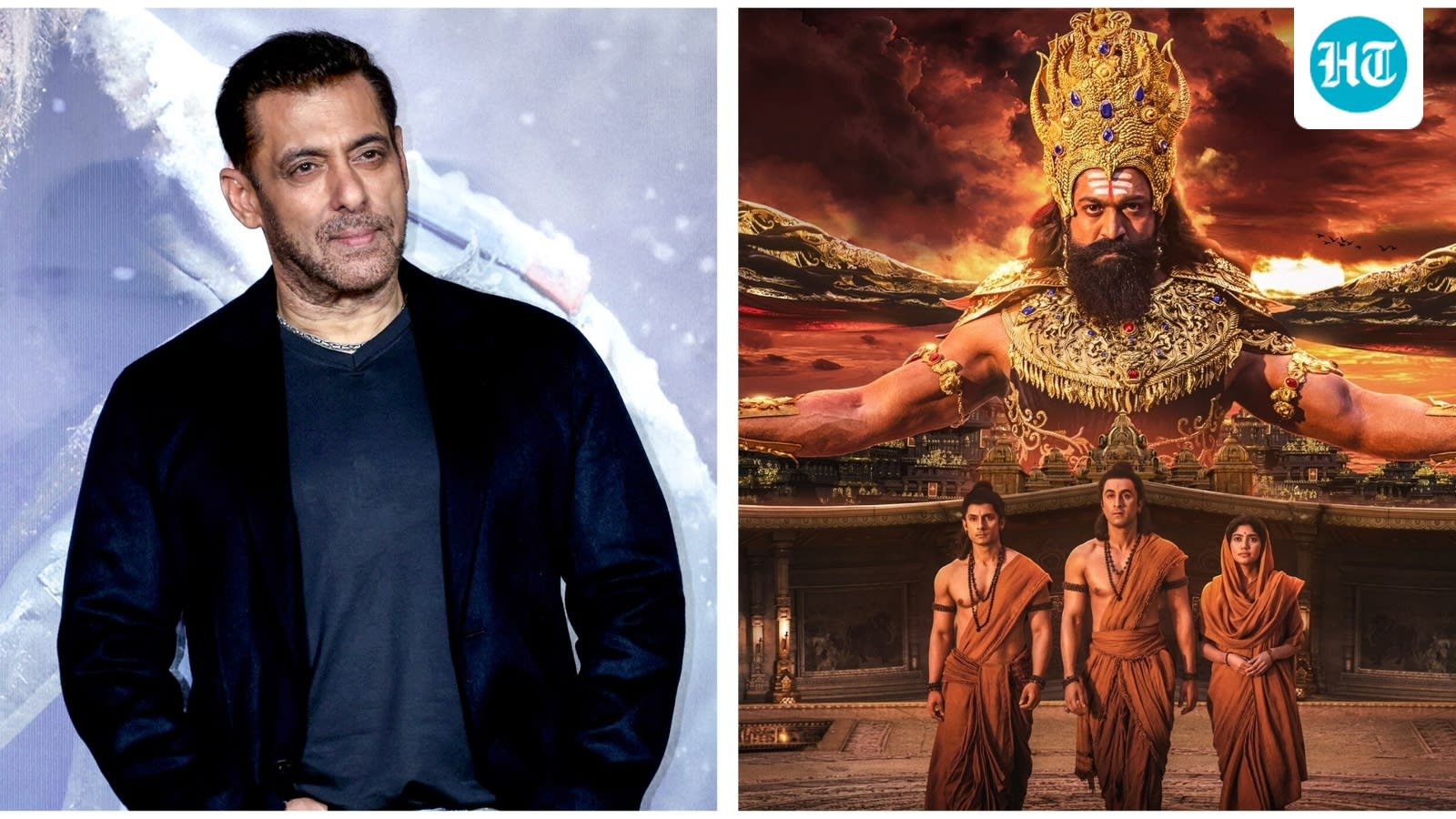
Nitesh Tiwari’s massive cinematic adaptation of the Ramayana has premiered, marking a new milestone in Indian filmmaking with a record-breaking budget. The production emphasizes authenticity through intricate craftsmanship, including custom jewellery and elaborate set designs, while setting the stage for a sequel.
The Cinematic Grandeur of Nitesh Tiwari’s Ramayana
Nitesh Tiwari’s ambitious adaptation of the Indian epic, Ramayana, has officially arrived in theatres, signaling a transformative moment for Indian cinema. With a staggering production budget reported at Rs 4000 crore for the project—and approximately Rs 1600 crore dedicated to the first installment—the film stands as the most expensive Indian production to date. This monumental undertaking is not merely a retelling of a classic tale but a technical and artistic showcase of modern Indian filmmaking capabilities.
A Commitment to Craft and Detail
The film’s aesthetic depth is driven by a meticulous focus on historical and cultural authenticity. The production team collaborated with Tribe Amrapali, a Jaipur-based brand, to craft customized, handcrafted jewellery for the entire cast. This partnership follows the brand’s previous work on high-profile projects like Baahubali and Manikarnika, yet Tarang Arora, the CEO of Tribe Amrapali, has described Ramayana as the brand's most significant challenge to date. The effort to ground the film’s visual identity in authentic craftsmanship reflects a growing industry trend toward immersive, high-quality production design.
Architectural Opulence and Art Direction
Beyond the jewellery, the film’s scale is further evidenced by its art direction. Reports indicate an extraordinary investment in set pieces, including a throne for the character Ravana constructed from 24K gold at a cost of Rs 1 crore, and a chariot for the character Surpanakha valued at Rs 1.5 crore. These figures underscore the production's commitment to visual spectacle, ensuring that every frame reflects the epic nature of the source material. By utilizing local Indian talent and resources—from DNEG’s visual effects to domestic artisan work—the film serves as a testament to the growth of India’s creative economy.
Narrative Scope and Future Expectations
Directed by Nitesh Tiwari and produced by Namit Malhotra, the film takes a fresh narrative approach by exploring the transformation of Dashanan into the formidable Ravana. By tracing the complex chain of events leading to the marriage of Lord Rama and Sita, the film provides a grounded context before culminating in the dramatic abduction of Sita. The conclusion of Part 1—marked by the mortal wounding of Jatayu and Rama’s vow to conquer Lanka—effectively transitions the story into a high-stakes sequel.
Implications for the Indian Film Industry
The success of Ramayana sets a new benchmark for Indian mythological adaptations. By balancing heavy VFX usage with tangible, handcrafted elements, the production navigates the fine line between fantasy and historical reverence. As the film progresses into its next chapter, the industry will likely look toward this model as the standard for future 'pan-Indian' epics, where massive budgets are paired with meticulous attention to detail to captivate both domestic and global audiences.
Multiple Citing Sources
Verification Required?