Every Hour, 20 People Die On Our Roads, Says Nitin Gadkari
Source Entity
NDTV News Search Records Found 1000
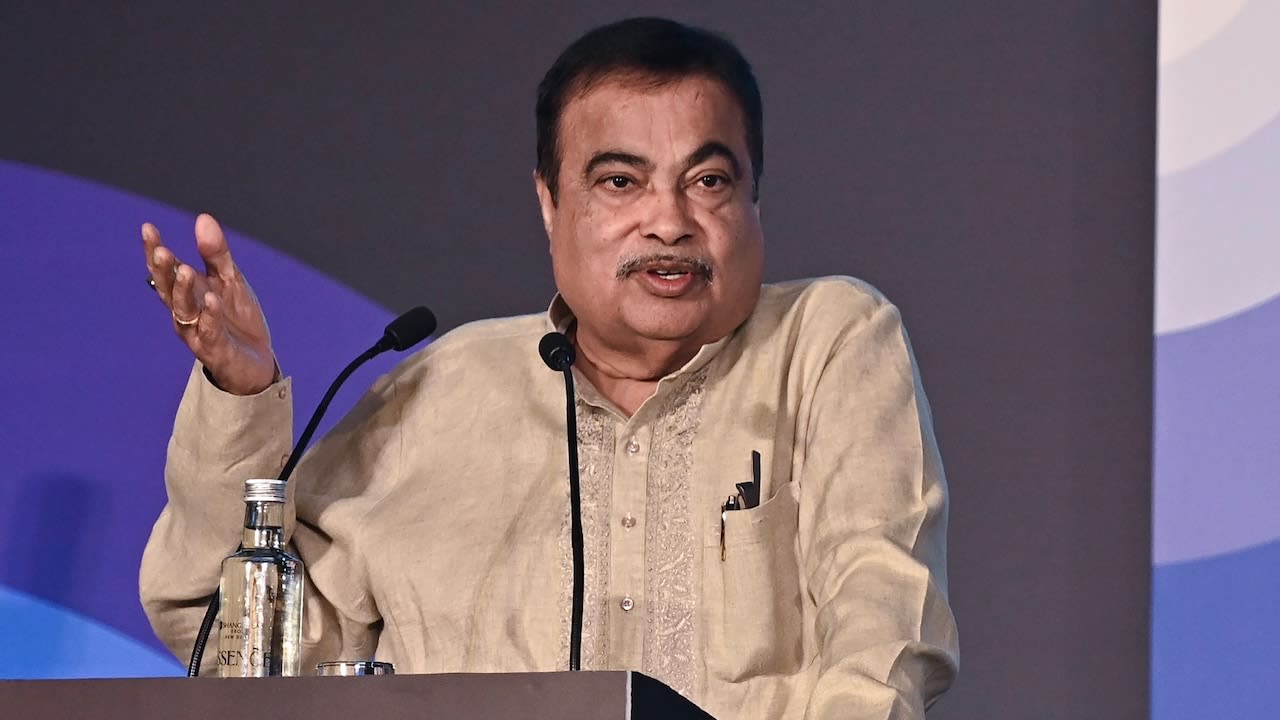
Union Minister Nitin Gadkari has highlighted the alarming state of road safety in India, revealing that 20 people die in accidents every hour. With nearly 5 lakh accidents occurring annually, the government is under pressure to overhaul infrastructure and safety standards.
The Silent Crisis: Addressing India's Road Safety Emergency
Union Minister for Road Transport and Highways, Nitin Gadkari, has brought a stark and sobering reality to the forefront of national discourse by revealing that India experiences nearly 5 lakh road accidents annually. This staggering statistic translates to approximately 20 fatalities every single hour, painting a harrowing picture of the current state of mobility in the country. The scale of this loss is not merely a logistical failure but a profound humanitarian crisis that claims thousands of lives and leaves countless families devastated each year.
The Anatomy of the Crisis
The sheer volume of 5 lakh accidents per year indicates systemic vulnerabilities within India’s expanding transportation network. As the country undergoes rapid urbanization and infrastructure development, the mismatch between high-speed connectivity and road safety compliance has become glaring. When a country loses 20 citizens every hour to road accidents, it suggests that issues ranging from poor road engineering and lack of traffic discipline to inadequate vehicle safety standards are compounding into a national emergency that requires immediate policy intervention.
Infrastructure vs. Behavioral Challenges
While the government continues to spearhead massive highway expansion projects, Gadkari’s admission highlights the critical need for a dual approach: robust infrastructure and strict enforcement. The rapid construction of expressways must be matched by the integration of advanced intelligent transport systems (ITS), better signage, and the elimination of 'black spots'—specific stretches of road prone to frequent accidents. However, infrastructure alone cannot solve the problem if behavioral patterns, such as overspeeding and non-compliance with traffic rules, remain unchecked.
Economic and Social Implications
The economic toll of these accidents is staggering, often referred to by economists as a 'hidden tax' on India's GDP. The loss of productive lives, coupled with the long-term healthcare costs for the injured, creates a cycle of poverty for many affected families. By acknowledging these figures, the Ministry is signaling a shift toward prioritizing road safety as a core component of economic development, recognizing that a country cannot truly progress if its transport network is inherently hazardous to its citizens.
Looking Toward a Safer Future
Moving forward, the focus must shift toward a 'Vision Zero' approach, which seeks to eliminate all traffic-related fatalities through better policy and engineering. This includes the implementation of stricter vehicle safety standards, mandatory crash testing, and the deployment of AI-based monitoring systems to detect traffic violations in real-time. The government's transparency regarding these statistics is a necessary first step in building the public awareness required to foster a culture of road safety that can eventually reduce this hourly death toll significantly.
Verification Required?