Building materials lie in open, anti-smog guns don’t work: Noida builders fined Rs 2.33 cr
Source Entity
Drishti Jain
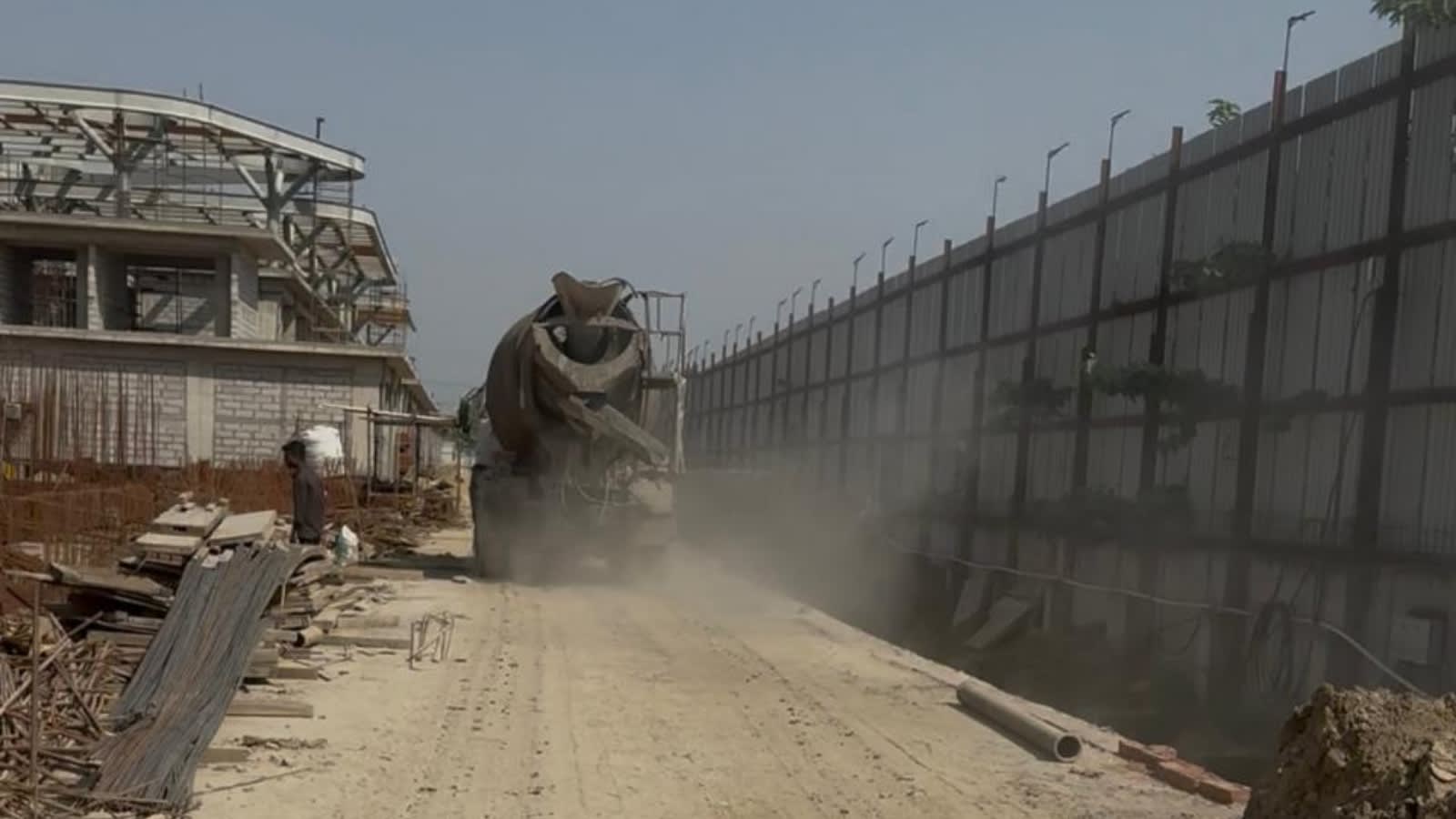
Noida authorities have imposed fines totaling Rs 2.33 crore on builders for violating anti-pollution norms, including improper dust control and illegal construction. These measures aim to combat the severe air quality crisis currently affecting the National Capital Region.
Noida's Crackdown on Construction Pollution
The Gravity of the Air Quality Crisis
The National Capital Region (NCR) is currently navigating a period of hazardous air quality, which has prompted local authorities to enforce strict environmental protocols. The recent imposition of Rs 2.33 crore in fines against Noida builders underscores a systemic failure to adhere to the Graded Response Action Plan (GRAP) and other mandates designed to mitigate particulate matter. With construction activities identified as a primary source of dust pollution, the inability of builders to manage excavated soil and open materials represents a significant public health risk.
Failures in Mitigation Technology
Central to the controversy is the reported malfunction of mandatory mitigation infrastructure. Anti-smog guns, which are supposed to suppress airborne dust, were found to be non-operational, and water sprinklers were described as ineffective. These technical lapses suggest that while equipment may be present on-site to satisfy regulatory inspections, there is a lack of operational maintenance or genuine intent to utilize this technology to curb pollution levels. When equipment meant to protect public health is left neglected, it exacerbates the already toxic atmosphere in the region.
Regulatory Defiance and Enforcement
Perhaps most alarming is the report that construction continued at certain sites even after a total ban had been enforced by the authorities. This blatant disregard for administrative orders reflects a challenge in regulatory enforcement where the potential financial gain from completing projects outweighs the cost of environmental penalties. By failing to wash truck tires and leaving soil uncovered, these construction sites are essentially funneling dust and debris directly into the urban air supply, worsening the seasonal smog.
The Broader Impact on Greater Noida
The situation is not confined to Noida; Greater Noida has also seen a surge in enforcement actions, with approximately 60 fines recommended totaling over Rs 1.5 crore. This regional consistency in punitive action indicates a concerted effort by environmental agencies to curb the widespread negligence within the construction sector. These fines serve as a financial deterrent, though their ultimate success will depend on whether builders prioritize systemic changes over short-term project timelines.
Future Trends and Environmental Accountability
Looking forward, the persistence of these violations suggests that the NCR will likely see more stringent monitoring and potential legal escalations if compliance does not improve. The reliance on heavy fines is a reactive measure; however, it signals a shift toward higher accountability for developers. If environmental standards are to be met, builders must move toward sustainable construction practices, such as enclosed storage for raw materials and automated dust suppression systems that are regularly audited by independent environmental monitors rather than relying solely on onsite self-reporting.