Rs 2.3K-crore Metro corridor between Noida, Greater Noida West likely in 2031
Source Entity
Devansh Mittal
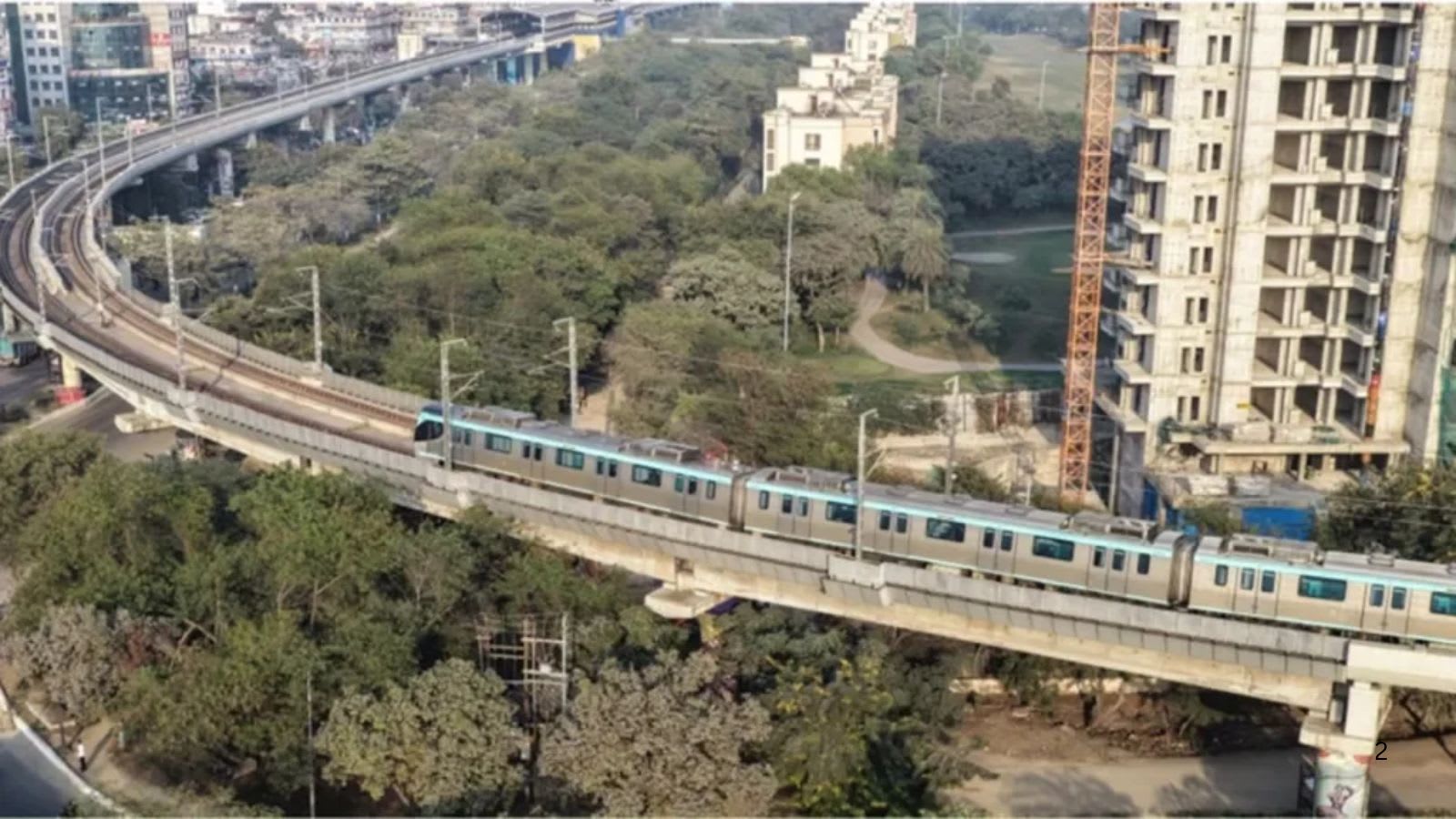
The Union Cabinet has approved an 8.449-km extension of the Noida Metro Aqua Line, costing ₹2,390 crore. This project will introduce five new stations and provide a critical interchange at Sector 61 to link commuters with the Delhi Metro Blue Line.
Bridging the Gap: The Noida-Greater Noida Metro Expansion
The Union Cabinet, under the leadership of Prime Minister Narendra Modi, has officially cleared a pivotal infrastructure project aimed at transforming the transit landscape of the National Capital Region (NCR). The approval of an 8.449-km extension for the Noida-Greater Noida Metro’s Aqua Line, with an estimated investment of ₹2,390 crore, marks a significant milestone in urban planning. This development is designed to address the growing connectivity needs of a region that has seen explosive residential and commercial growth over the last decade.
Strategic Connectivity and the Blue Line Link
At the heart of this project is the integration of the Aqua Line with the Delhi Metro network. By establishing an interchange facility at Noida Sector 61, the project effectively bridges the physical and logistical gap between the two systems. This direct connectivity will allow thousands of daily commuters to transition seamlessly between the Noida-Greater Noida corridor and the expansive Delhi Metro Blue Line, significantly reducing travel time and the reliance on private vehicles for cross-region transit.
Infrastructure and Economic Impact
Spanning 8.449 kilometers, the corridor will feature five elevated stations, connecting Noida Sector 51 to Greater Noida Sector 4. Beyond the logistical convenience, the expansion is strategically planned to provide better access to essential institutional, medical, and commercial hubs. By embedding transit infrastructure into these high-growth sectors, the government aims to catalyze further economic activity and streamline the daily commutes of professionals and students alike.
Addressing Urbanization Challenges
As noted by Union Minister Ashwini Vaishnaw and echoed in statements by Prime Minister Modi, the rapid urbanization of Noida and Greater Noida necessitates proactive infrastructure development. The increase in the number of residential projects and office spaces in these areas requires a robust public transport backbone. This extension is a direct response to the pressure on existing road networks, aiming to mitigate traffic congestion and lower the carbon footprint of the region's expanding workforce.
Looking Toward Future Trends
This approval signals a broader trend in Indian urban policy, where transit-oriented development (TOD) is becoming the standard for managing metropolitan growth. By prioritizing mass transit over road expansion, the government is setting a precedent for sustainable city planning. As the project moves from approval to execution, its success will likely serve as a blueprint for future infrastructure initiatives in rapidly developing satellite cities, ensuring that long-term connectivity keeps pace with industrial and demographic shifts.