'No dedicated EV charging point': Safety lapses turned Noida building into death trap
Source Entity
TOI CITY DESK
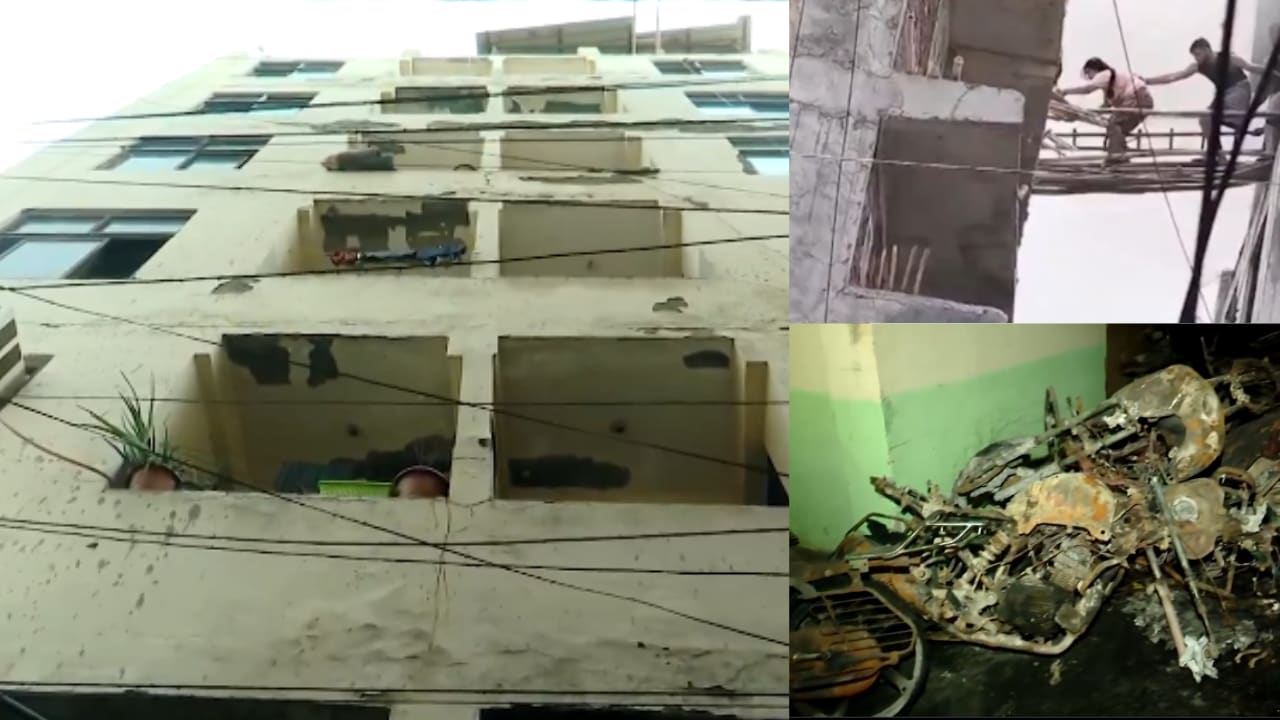
A devastating fire in Noida's Mamura village, suspected to have been triggered by an e-scooter charging on a standard electrical socket, resulted in two deaths and the arrest of the building's landlord due to critical safety lapses.
Tragedy in Noida: The Deadly Intersection of Rapid EV Adoption and Infrastructure Neglect
The recent fatal fire in Noida's Mamura village serves as a harrowing case study on the dangers of integrating high-voltage technology into outdated urban infrastructure. The incident, which claimed two lives and narrowly missed a larger catastrophe involving fifty evacuated tenants, underscores a systemic failure in residential safety standards. What began as a routine act—charging an e-scooter—quickly escalated into a lethal inferno, transforming a residential building into a "death trap" due to a lack of dedicated electrical infrastructure and poor fire safety planning.
The Technical Catalyst: EV Charging Hazards
At the heart of this tragedy is the suspected use of a regular electrical socket for an electric vehicle (EV) charger. Standard domestic sockets in older residential buildings are often not designed to handle the sustained, high-current load required by EV batteries. Overloading these circuits can lead to overheating, insulation failure, and eventually, electrical short circuits. Lithium-ion batteries, common in e-scooters, are particularly volatile; if a charging fault triggers a thermal runaway, the resulting fire is intense and extremely difficult to extinguish with standard equipment. The absence of a dedicated EV charging point—which would typically include surge protection and heat-resistant wiring—was the primary catalyst in this event.
The "Inferno Effect": Compounding Risks
The disaster was significantly magnified by the storage of petrol-powered vehicles in close proximity to the charging e-scooter. When the initial electrical fire broke out on the ground floor, the presence of flammable fuel acted as an accelerant, rapidly turning a localized electrical fire into a massive blaze. This sequence of events highlights a critical oversight in urban space management: the coexistence of volatile EV charging and highly combustible internal combustion engine (ICE) vehicles in confined, poorly ventilated ground-floor parking areas. The resulting "inferno" not only threatened the lives of those on the ground floor but created a smoke-filled chimney effect for the tenants residing in the multi-storey structure above.
Systemic Failures in Urban Housing
Mamura village, like many peri-urban settlements in the National Capital Region (NCR), often features densely packed, multi-storey residential buildings that may bypass stringent building codes. The fact that fifty tenants were residing in a building that lacked basic safety precautions suggests a wider pattern of unregulated urban growth. In such environments, the lack of fire escapes, inadequate ventilation, and substandard electrical wiring are common. This incident reveals that while the technology of transportation has evolved toward electrification, the physical structures housing these citizens remain stuck in a bygone era, creating a dangerous gap in safety.
Legal Accountability and the Landlord's Role
The arrest of the building's landlord is a pivotal development, signaling a shift toward holding property owners accountable for the safety of their tenants. Legally, the responsibility to ensure that a building is fit for habitation includes providing safe electrical installations. By allowing high-load appliances or EV charging in a building not equipped for such loads, the landlord arguably contributed to a hazardous environment. This legal action may serve as a deterrent to other landlords in Noida and the wider NCR, forcing a reckoning regarding the necessity of upgrading electrical panels and installing fire suppression systems in rental properties.
Future Implications and Necessary Shifts
Moving forward, this tragedy necessitates a mandatory review of EV charging guidelines for residential complexes. Local authorities must move beyond mere recommendations and implement strict mandates for "EV-ready" buildings, requiring dedicated circuits and fire-rated partitions for charging zones. Furthermore, there is an urgent need for public awareness campaigns to educate EV owners on the dangers of using extension cords or non-rated sockets. If India is to achieve its ambitious green mobility goals, the transition must be supported by a parallel revolution in building safety and electrical infrastructure to prevent such avoidable loss of life.