Noida workers’ agitation: plea in Allahabad High Court to club multiple FIRs
Source Entity
India Latest News: Top National Headlines Today & Breaking News | The Hindu
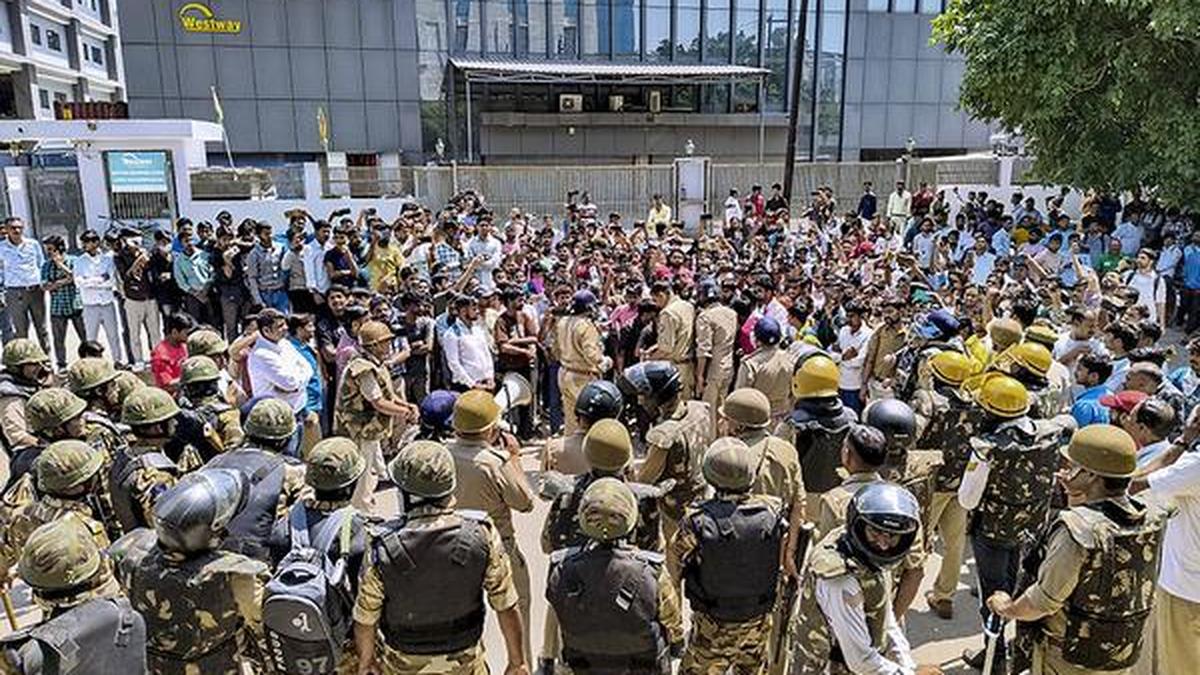
Factory worker Manisha Chauhan has petitioned the Allahabad High Court to consolidate 11 FIRs linked to April's Noida labor protests. The legal battle highlights broader concerns regarding the criminalization of labor agitation and the precarious conditions of India's unorganized workforce.
The Legal Battle of Noida: Labor Rights and Judicial Recourse
The recent legal petition filed by Manisha Chauhan, a 25-year-old factory worker, before the Allahabad High Court serves as a focal point for the mounting tensions within India's industrial heartland. Arrested following the widespread labor protests in Noida between April 10 and 13, Chauhan is seeking to club 11 separate First Information Reports (FIRs) into a single legal proceeding. Her petition argues that because these cases emerge from the same series of events and share overlapping evidence and witnesses, the current multiplicity of FIRs creates an undue burden and potential for procedural injustice.
The Anatomy of the Noida Protests
During the second week of April, thousands of workers in the Noida and Ghaziabad industrial belts took to the streets to demand basic improvements to their working conditions, specifically citing stagnant wages, excessive working hours, and inadequate overtime compensation. The situation escalated on April 13, when reports of violence during the demonstrations triggered a heavy-handed response from local law enforcement. Police authorities faced criticism for their handling of the unrest, with reports suggesting they invoked theories of outside interference and radical influence to explain the organized nature of the protests.
Patterns of Criminalization
The case of Manisha Chauhan is emblematic of a broader, systemic trend regarding how labor dissent is processed within the Indian judicial and police infrastructure. Investigations have revealed that the mass arrests following the April protests resulted in workers spending weeks in jail, often without the individual scrutiny of evidence that due process typically demands. By filing multiple FIRs for a single sequence of events, the state creates a repetitive legal burden that makes it difficult for defendants to secure bail or mount a cohesive defense, effectively criminalizing the act of collective bargaining.
The Unorganized Sector Crisis
This legal friction occurs against a backdrop of severe neglect within India’s unorganized sector, which accounts for nearly 80 percent of the national workforce. Research indicates that 40,000 to 50,000 casual workers lose their lives annually due to occupational hazards, a statistic that often fails to capture the full scope of human loss. When workers attempt to organize to mitigate these risks, they are frequently met with administrative hostility rather than dialogue, leading to a cycle of protest and subsequent punitive action.
Broader Implications and Future Trends
The outcome of the Allahabad High Court’s deliberation on the clubbing of these FIRs will set a significant precedent for labor rights in the region. If the court permits consolidation, it may provide a roadmap for other workers facing similar legal entrapments to seek judicial relief. However, if the trend of utilizing multiple FIRs to suppress labor movements continues, it risks further alienating the workforce and exacerbating the divide between industrial development and human rights. Ultimately, the resolution of this case will test the judiciary's role in balancing the protection of public order with the fundamental right to protest and fair legal representation.
Multiple Citing Sources
Verification Required?