The Hangar At Bholari: How A White Lie Sealed A Mission
Source Entity
NDTV News Search Records Found 1000
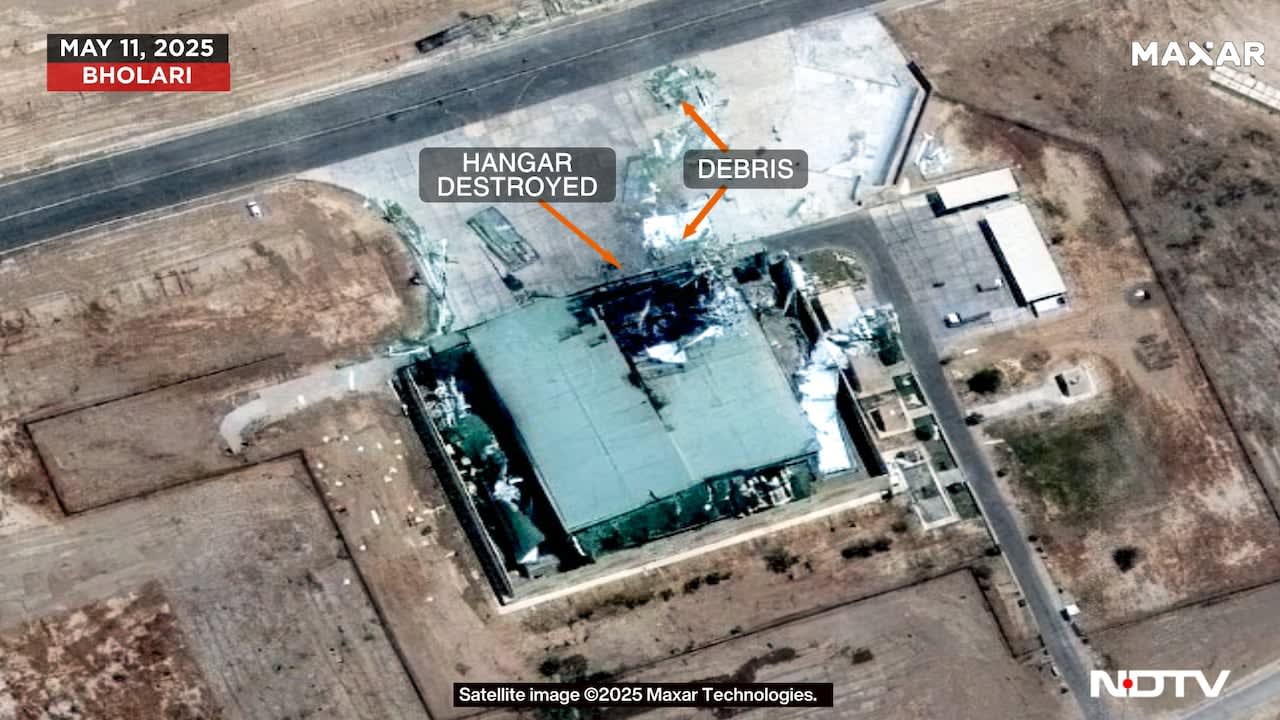
Operation Sindoor served as a critical test for the Indian Air Force's operational readiness and tactical decision-making. The mission highlighted the strategic importance of the Bholari hangar in maintaining air superiority.
The Strategic Significance of Operation Sindoor
Operation Sindoor stands as a defining moment in the modern history of the Indian Air Force (IAF), serving as a rigorous stress test for the nation’s aerial capabilities. By evaluating how command structures respond under the pressure of active engagement, the operation provided invaluable insights into the agility and coordination required for high-stakes military maneuvers. This mission was not merely a tactical exercise; it was a comprehensive demonstration of India's evolving air power doctrine.
The Role of Bholari in Tactical Execution
The infrastructure at Bholari played a pivotal role in the operational success of the mission. Hangars and logistical hubs like Bholari are essential components that facilitate rapid deployment and maintenance, ensuring that aircraft remain mission-ready under diverse conditions. The focus on this location underscores the IAF's commitment to maintaining robust forward-basing capabilities, which are vital for projecting power and ensuring a swift response to regional security challenges.
Inside the Command Rooms
The true complexity of Operation Sindoor unfolded within the IAF’s command rooms, where split-second decisions dictated the trajectory of the strikes. The coordination between ground-based command and airborne assets reflects a sophisticated command-and-control hierarchy designed to minimize latency and maximize effectiveness. The ability to manage communication channels while maintaining operational security remains a hallmark of the IAF’s institutional expertise.
Historical Context and Strategic Evolution
Historically, the IAF has continuously adapted its strategies to address shifting geopolitical dynamics. Operation Sindoor is a reflection of this ongoing evolution, moving away from rigid planning toward more fluid, reactive combat models. By analyzing the outcomes of this mission, military planners can better understand the interplay between human decision-making and technological integration, ensuring that the force remains prepared for future conflicts.
Future Trends in Air Power
Looking ahead, the lessons learned from Operation Sindoor will likely influence future procurement and training doctrines within the Indian defense sector. As the nature of aerial warfare becomes increasingly digitized and data-driven, the emphasis on integrated command structures—as highlighted during the events at Bholari—will only intensify. This shift suggests a future where situational awareness and rapid, decentralized decision-making become the primary drivers of strategic success.
Conclusion: A Testament to Readiness
In conclusion, Operation Sindoor serves as a testament to the IAF's operational readiness and its capacity to execute complex missions under intense pressure. By examining the logistical support at Bholari and the tactical acumen displayed within command centers, one gains a clearer picture of India's robust defense posture. The operation remains a crucial case study for understanding the logistical and strategic requirements necessary to maintain air superiority in an increasingly contested environment.
Verification Required?