North Bihar rivers in spate; fresh flooding looms large
Source Entity
Latest News: Today's Latest News Headlines from India & World | Hindustan Times | Hindustan Times
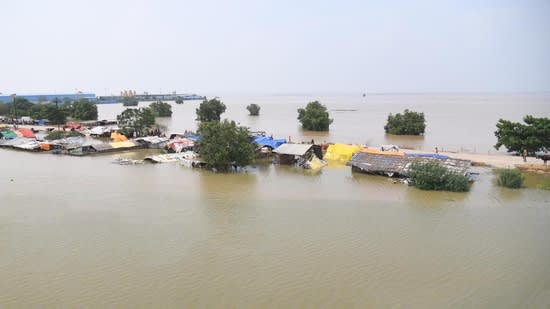
North Bihar is facing an imminent threat of flooding as the Ganga, Ghaghra, and Burhi Gandak rivers approach their critical warning levels with rising water trends.
Crisis Alert: North Bihar Braces for Imminent Flooding
North Bihar is once again standing on the precipice of a hydrological crisis. Recent reports indicate that several major river systems, most notably the Ganga, Ghaghra, and Burhi Gandak, are currently hovering near their designated warning levels. With water trends remaining steady or rising, the region is facing a significant risk of fresh flooding, which could devastate riparian communities and disrupt the socio-economic stability of the area.
The Hydrological Dynamics of North Bihar
To understand the severity of the current situation, one must look at the complex riverine network of North Bihar. The region acts as a basin for several Himalayan rivers that carry massive volumes of silt and water during the monsoon season. When rivers like the Burhi Gandak and Ghaghra reach warning levels, it indicates that the riverbeds are nearly full. Because the Ganga serves as the primary artery into which these tributaries flow, any rise in the Ganga's level creates a 'backwater effect,' slowing the discharge of tributaries and increasing the likelihood of breaches in embankments or overtopping of banks.
Socio-Economic Implications of the Looming Flood
Flooding in North Bihar is not merely a natural occurrence but a recurring economic catastrophe. The timing of these rising water levels is particularly critical for the agricultural sector. Most of the region relies on Kharif crops, and sudden flooding can wipe out entire harvests, leading to severe financial distress for small-scale farmers. Beyond agriculture, the risk of displacement is high; thousands of villagers often find themselves stranded as low-lying areas are submerged, forcing a reliance on government-run relief camps and emergency aid.
Historical Context and Recurring Vulnerability
Historically, North Bihar has been one of the most flood-prone regions in the world. The geography of the plains, combined with the erratic nature of Himalayan rivers that frequently shift their courses, makes the area permanently vulnerable. The mention of the Ganga and Ghaghra in the current reports echoes decades of seasonal struggles where infrastructure, such as roads and bridges, is repeatedly damaged. This cycle of destruction and reconstruction has historically hindered the long-term industrial development of the northern districts of the state.
Disaster Preparedness and Future Outlook
As the rivers continue to trend upward, the focus now shifts to disaster mitigation and emergency response. The state administration and disaster management teams must monitor the 'warning levels' with precision to initiate timely evacuations. Future trends suggest that climate change may exacerbate these patterns, leading to more intense rainfall bursts that overwhelm existing embankment systems. There is a growing need for integrated river basin management and more robust early warning systems to move from a reactive to a proactive stance in handling these annual surges.
Summary of the Current Threat
In conclusion, the current status of the Burhi Gandak, Ganga, and Ghaghra rivers is a clear signal of an impending disaster. The steady rise in water levels suggests that the region is currently in a high-risk window. Without immediate vigilance and strategic water management, the loom of fresh flooding could translate into a widespread humanitarian and economic crisis for the people of North Bihar.
Verification Required?