North Carolina rebuilt its elk population. In 2027, it will allow 2 hunts
Source Entity
TOI WORLD DESK
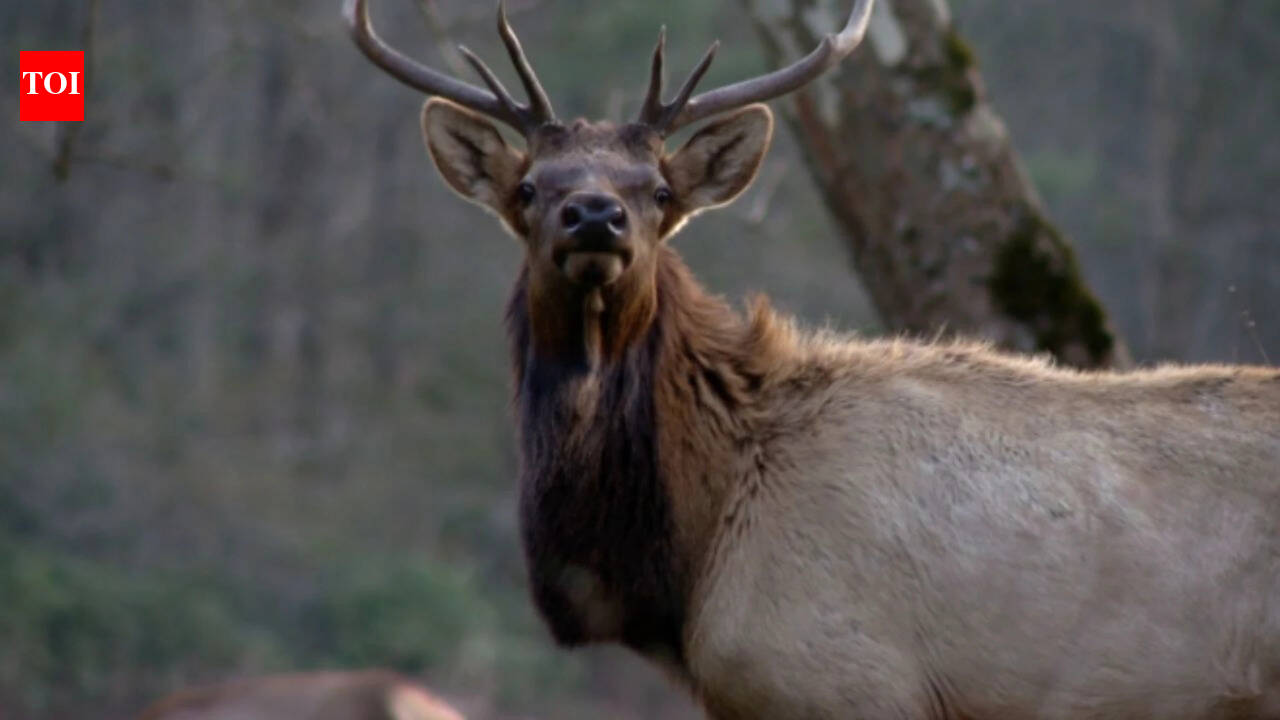
North Carolina has announced its first limited elk hunt scheduled for 2027, marking a milestone 25 years after the species' reintroduction. The state will issue only two permits via auction and raffle, with proceeds dedicated to ongoing conservation efforts.
A Milestone for North Carolina Wildlife
After a quarter-century of dedicated conservation efforts, North Carolina is preparing for a historic shift in wildlife management. Following the reintroduction of elk to the western part of the state 25 years ago, the North Carolina Wildlife Resources Commission (NCWRC) has determined that the population has reached a level of sustainability that warrants a controlled, limited hunting season. This marks a significant transition from a purely restorative phase to an active management phase for one of the state's most iconic species.
Legislative Action and Management Strategy
The move toward a hunting season was formalized through the signing of House Bill 747 by Governor Josh Stein on July 7. This legislative mandate empowers the NCWRC to authorize two elk hunting permits for the 2027 season. By limiting the harvest to such a small number, the state is signaling a cautious approach, ensuring that the hunt serves as a management tool rather than a population reduction strategy. This controlled methodology is designed to maintain the delicate ecological balance that biologists have worked to restore since the species' historical disappearance from the region.
The Economics of Conservation
A unique aspect of this policy is the mechanism for permit distribution. The two available permits will be issued through a combination of an auction and a raffle system. By leveraging these platforms, the state ensures that the financial proceeds are funneled directly back into elk conservation programs. This model mirrors successful wildlife management strategies used in other states, where the hunting community provides the necessary funding to protect habitats and monitor population health, effectively creating a self-sustaining financial cycle for conservation.
Historical Context and Ecological Restoration
Elk were once native to vast areas of North Carolina before disappearing from the landscape many years ago. Their return to the western mountains of the state was a landmark achievement in North American conservation biology. The fact that the population has grown enough to support even a nominal harvest is a testament to the success of habitat protection and reintroduction protocols. This transition acknowledges that the elk have successfully reclaimed their niche in the ecosystem and are now a permanent fixture in the state’s natural heritage.
Public Sentiment and Future Outlook
Despite the scientific consensus regarding population sustainability, the announcement has sparked a range of reactions among local residents. While proponents argue that controlled hunting is a standard, science-based approach to wildlife management, others remain divided, reflecting the complex relationship humans have with large, charismatic megafauna. Moving forward, the success of the 2027 season will likely be scrutinized by both wildlife advocates and the public, serving as a case study for how states can balance species recovery with the demands of modern wildlife management.