North Korean Hackers Develop AI Tools To Automate Cyberattacks: Report
Source Entity
NDTV News Search Records Found 1000
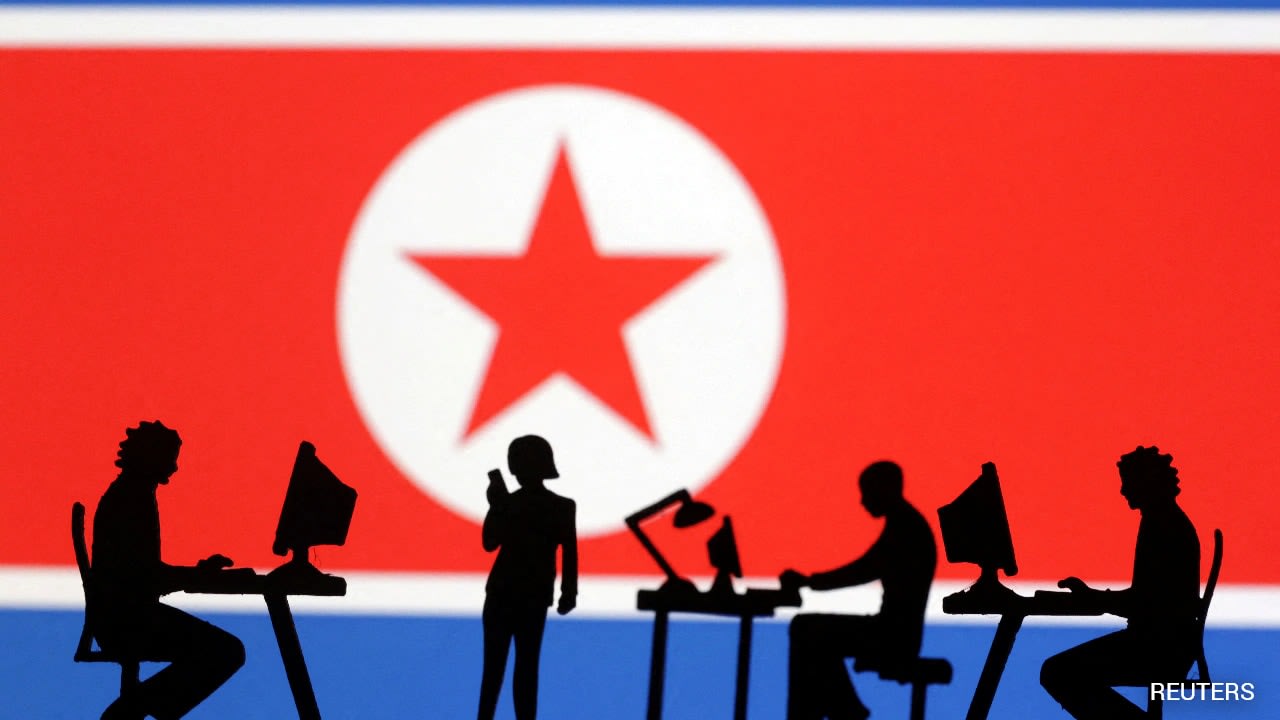
A North Korean hacking group has developed large language models to automate the collection of software for cyberattacks. This development signals a sophisticated shift in how state-sponsored actors leverage generative AI to enhance their offensive cyber capabilities.
The Rise of AI-Enhanced Cyber Espionage
Recent intelligence reports have confirmed a disturbing evolution in the digital warfare landscape: a North Korean hacking group has successfully developed and utilized large language models (LLMs) to automate the collection of software for cyberattacks. By integrating generative AI into their operational pipeline, these actors are moving beyond traditional manual exploitation methods, signaling a significant escalation in the sophistication of state-sponsored cyber threats.
The Mechanics of AI-Driven Infiltration
The utilization of large language models by these hacking groups is primarily focused on automating the reconnaissance and acquisition phase of the cyber kill chain. By leveraging AI to scan, identify, and collect specific software vulnerabilities or tools, the group can significantly reduce the time required to prepare for an attack. This automation allows for a higher volume of targeted operations while maintaining a level of precision that was previously labor-intensive for human operators.
Strategic Implications for Global Cybersecurity
This development represents a critical inflection point in the democratization of advanced offensive cyber tools. When state-sponsored actors adopt LLMs to streamline their operations, it forces a global re-evaluation of defensive postures. The ability to automate the identification of software weaknesses means that patches and security updates must be deployed at a speed that matches or exceeds the AI-driven discovery process, placing immense pressure on software vendors and IT administrators worldwide.
Historical Context and Evolving Tactics
North Korea has long utilized cyber operations as a strategic tool to circumvent international sanctions and generate revenue, often targeting financial institutions and cryptocurrency exchanges. The integration of AI into this existing framework suggests that the regime is treating digital infrastructure as a primary front for national security. This shift indicates that the group is not merely experimenting with new tech, but effectively operationalizing it to sustain and expand their illicit activities.
Future Trends in Digital Warfare
Looking ahead, we can expect to see a 'cat-and-mouse' game between AI-automated offensive tools and AI-driven defensive security platforms. As these hacking groups continue to refine their models, the focus will likely expand from software collection to automated code generation for malware and more sophisticated social engineering campaigns. The speed at which these actors are adopting cutting-edge technology underscores the urgent need for international cooperation in cybersecurity standards and AI safety protocols.
Conclusion
The emergence of North Korean-built LLMs for cyberattacks marks a dangerous milestone in the evolution of cyber threats. As AI becomes a standard component of the hacker's toolkit, the international community must prioritize the development of robust, AI-resistant security architectures to protect critical infrastructure from this new class of automated, highly efficient, and persistent digital threats.
Verification Required?