Norway plans temporary ban on smart glasses in some public places
Source Entity
Robert Booth UK technology editor
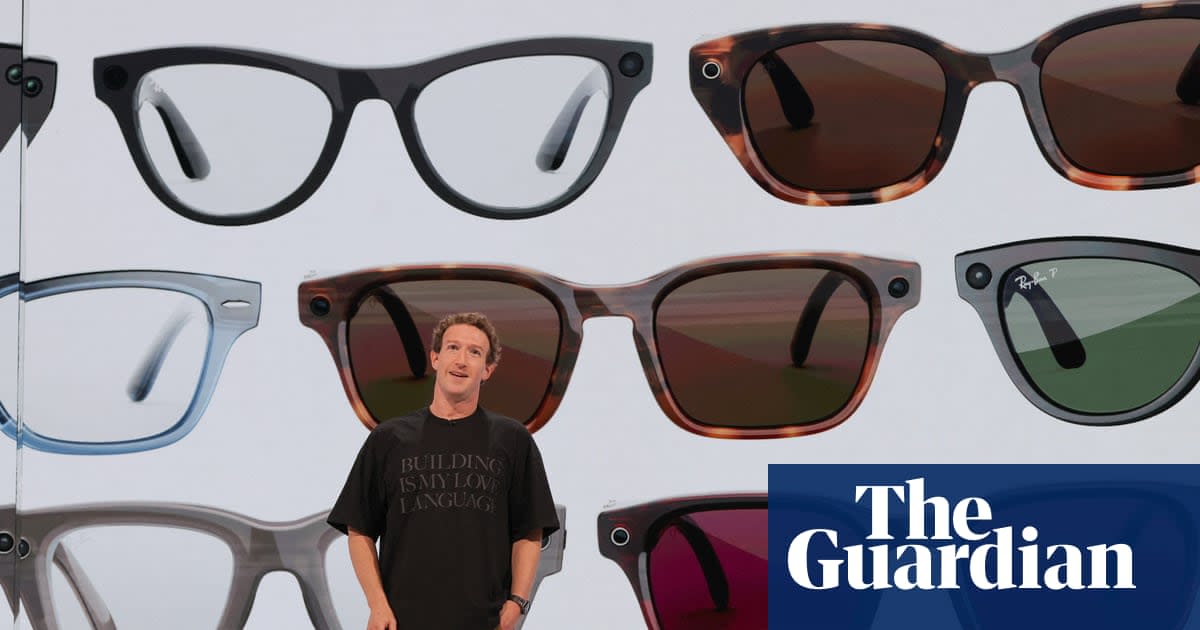
Norway is moving to implement a temporary ban on smart glasses in various public spaces to address privacy concerns. The proposed legislation aims to restrict recording capabilities in sensitive areas while allowing for private use.
Norway’s Proposed Legislation on Smart Glasses
Norway is currently drafting a legislative framework to impose a temporary ban on the use of smart glasses in a wide array of public venues. This initiative, spearheaded by the Oslo government, aims to restrict the use of camera-enabled spectacles in sensitive locations including schools, daycare centers, healthcare facilities, and gyms, as well as broader public spaces like shopping centers, parks, and museums. By targeting these specific environments, the government seeks to mitigate the risks associated with the pervasive and often discreet nature of AI-enabled recording hardware.
Privacy Concerns in the AI Era
The move stems from an intensifying global anxiety regarding the rapid advancement of wearable technology. Torgeir Micaelsen, Norway’s minister of digital affairs, has explicitly voiced concerns that current technological capabilities allow individuals to be captured via video, audio, or photography without their knowledge or consent. This shift represents a fundamental challenge to the expectation of privacy in public life, as the ubiquity of AI-enabled devices makes the traditional boundaries of 'private' and 'public' spaces increasingly difficult to police.
A Growing Global Pattern of Regulation
Norway’s proposed restrictions are not an isolated phenomenon but rather an extension of a broader, fragmented regulatory landscape. Currently, both the United Kingdom and the United States have seen a patchwork of bans emerge, primarily concentrated in courtrooms, cinemas, restaurants, and pubs. These localized restrictions reflect a societal pushback against the potential for harassment and unauthorized data collection, signaling that the public is increasingly wary of the social costs associated with always-on recording devices.
The Future of Wearable Tech Policy
As Norway progresses with this bill, the distinction between public and private usage remains a critical component of the legislation. By explicitly allowing for private use while restricting public deployment, the government is attempting to balance personal utility with collective privacy rights. This legislative test case could set a precedent for how democratic nations manage the integration of intrusive wearable technologies into daily life.
Conclusion: The Balancing Act
The proposed Norwegian ban highlights the inevitable friction between rapid technological innovation and existing legal protections for individual privacy. As AI-enabled wearables become more sophisticated and harder to detect, the need for clear, enforceable policies becomes more urgent. Whether this temporary ban evolves into a permanent regulatory standard will likely depend on the effectiveness of the enforcement mechanisms and the public's reception of these privacy-first measures.