‘Skip empty stomach coffee…’: Nutritionist Khushi Chhabra shares food swaps to reduce hair fall, support healthy strands
Source Entity
Latest News: Todays Latest News Headlines from India & World | Hindustan Times | Hindustan Times
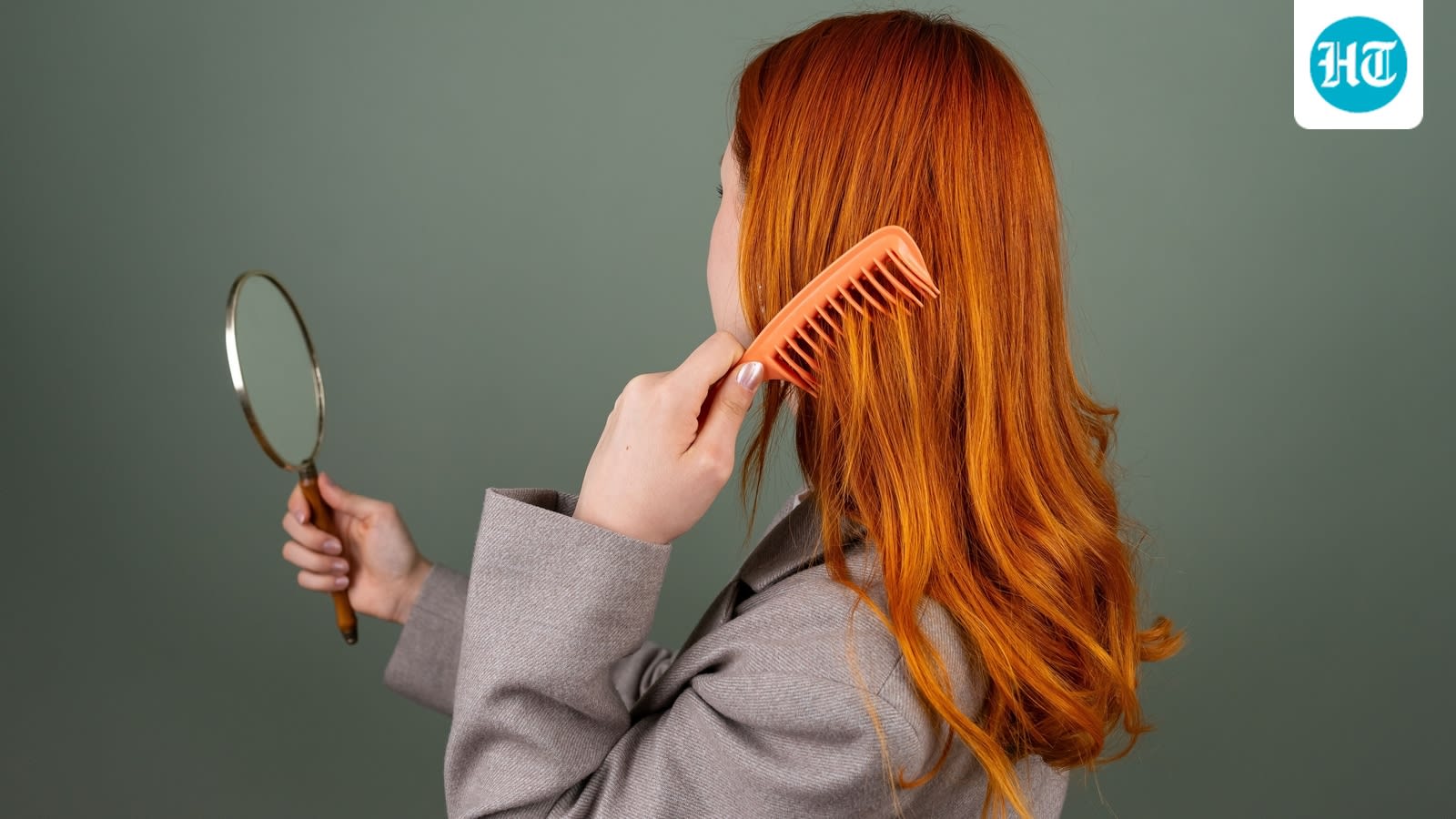
Nutritionist Khushi Chhabra highlights the critical link between diet and hair health, advising against skipping meals and suggesting nutrient-rich food swaps. Her guidance emphasizes addressing nutritional deficiencies to help mitigate common hair fall concerns.
The Nutritional Foundation of Hair Health
Recent insights from holistic health nutritionist Khushi Chhabra underscore a fundamental truth in wellness: hair health is a direct reflection of internal nutrition. While many individuals seek external solutions like specialized shampoos or serums to combat thinning hair, Chhabra emphasizes that the root cause of hair fall often resides on the dinner plate. By prioritizing nutrient-dense foods, one can nourish the hair follicles from within, creating a more sustainable environment for growth.
The Dangers of Nutritional Neglect
One of the primary warnings issued by Chhabra is the habit of skipping meals, specifically starting the day on an empty stomach with only coffee. This practice can lead to erratic blood sugar levels and potential nutrient deficiencies that deprive the scalp of essential minerals. When the body is starved of necessary caloric intake during the morning hours, it often redirects energy away from non-essential functions, such as hair maintenance, which can manifest as increased shedding over time.
Identifying Underlying Causes
It is vital to distinguish between lifestyle-driven hair loss and systemic health issues. Chhabra notes that while dietary adjustments are powerful, excessive hair loss can sometimes serve as a clinical indicator of hormonal imbalances, thyroid dysfunction, or other underlying medical conditions. Therefore, while food swaps are an excellent first line of defense, they should not replace professional medical consultation if hair fall becomes severe or sudden.
Strategic Food Swaps for Longevity
To combat hair fall, the transition toward nutrient-rich alternatives is key. By replacing processed or empty-calorie snacks with whole foods that provide vitamins, minerals, and proteins, individuals can fortify their hair structure. The focus here is on bioavailability—ensuring that the body can effectively absorb the nutrients required for keratin production, the primary protein that constitutes human hair.
Future Trends in Holistic Wellness
As public interest in holistic health continues to rise, the role of content creators like Chhabra becomes increasingly significant. We are seeing a shift away from 'quick fix' beauty products toward a more integrative approach where wellness and nutrition are viewed as the primary drivers of aesthetic health. Moving forward, the trend suggests that consumers will continue to prioritize evidence-based dietary habits to manage common concerns like hair thinning.
Conclusion
In summary, hair health is a complex process influenced by a myriad of factors, with diet serving as a cornerstone. By acknowledging the risks of poor nutritional habits and adopting informed food swaps, individuals can take proactive steps to support their hair's vitality. Ultimately, internal nourishment remains the most effective strategy for long-term hair strength and resilience.
Verification Required?