Woman has pioneering womb surgery to fix 'miracle' baby with intestines outside its body
Source Entity
BBC News
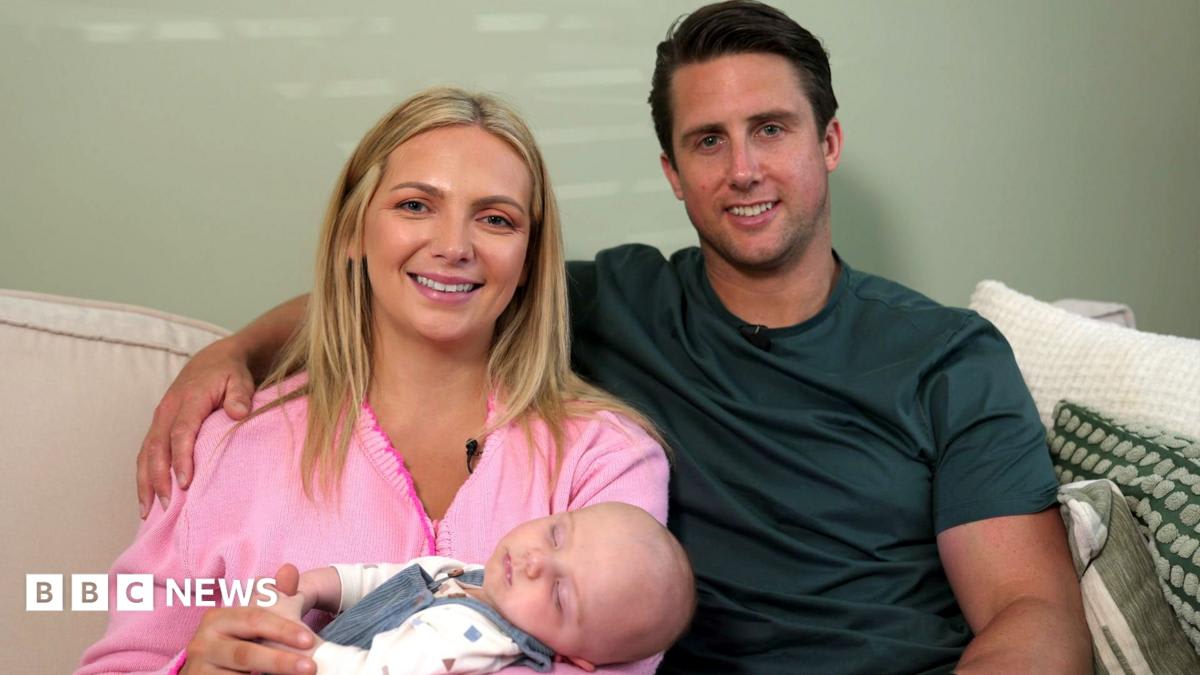
A British baby named Theo has become the first in the UK to undergo successful in-utero surgery for gastroschisis. The pioneering procedure, performed while his mother was 26 weeks pregnant, safely returned his external organs to his abdomen.
A Medical Milestone in Fetal Surgery
In a remarkable display of medical advancement, a British baby named Theo has become the first in the UK to benefit from a pioneering in-utero surgical procedure to correct gastroschisis. This condition, where the abdominal wall fails to close properly, results in the intestines developing outside the body. Historically, such conditions were managed only after birth, but this breakthrough clinical trial allowed surgeons to address the defect while the fetus was still developing in the womb.
The Procedure: Precision in the Womb
The surgery, performed on mother Maisie Savage while she was 26 weeks pregnant, represents a significant leap in fetal medicine. By partially exposing the womb, specialists were able to utilize keyhole surgery to gently maneuver the protruding organs back into the abdominal cavity. This specific intervention was part of a limited, first-of-its-kind clinical trial, with Theo marking the third infant globally to receive this treatment, highlighting the rarity and high-stakes nature of the operation.
Understanding Gastroschisis
Gastroschisis occurs when a defect near the belly button prevents the abdominal wall from sealing completely. In standard cases, this necessitates immediate surgical intervention post-delivery, often involving lengthy recovery periods and high risks of infection or bowel damage. By intervening in-utero, surgeons aim to mitigate long-term complications and provide the fetus with a more natural environment for continued growth, fundamentally changing the prognosis for infants born with this condition.
Global Collaboration and Innovation
The fact that British parents Maisie Savage and Josh French sought care from US-based specialists underscores the global nature of modern clinical trials. Such cross-border medical cooperation is essential for rare conditions where the patient pool is small. The success of this trial provides critical data that will likely pave the way for more widespread adoption of in-utero interventions, potentially shifting the standard of care for fetal birth defects worldwide.
Implications for Future Prenatal Care
As medical technology evolves, the ability to perform complex surgeries on a fetus without compromising the mother's safety or the pregnancy's viability is becoming a reality. The success of Theo’s surgery serves as a beacon for parents facing prenatal diagnoses that were previously considered high-risk or life-altering. While this remains a specialized procedure, the thriving condition of five-month-old Theo suggests that early intervention could significantly improve the quality of life for many children born with abdominal wall defects.
Conclusion
The case of baby Theo is more than just a medical success story; it is a testament to the intersection of innovative surgical techniques and rigorous clinical research. By addressing gastroschisis before birth, the medical team has not only saved a life but has also demonstrated the potential for future breakthroughs in fetal therapy. As the medical community continues to monitor the long-term outcomes of this trial, we may be witnessing the beginning of a new era in neonatal medicine.