More choices for test centres among key changes for NEET (PG) 2026
Source Entity
India Latest News: Top National Headlines Today & Breaking News | The Hindu
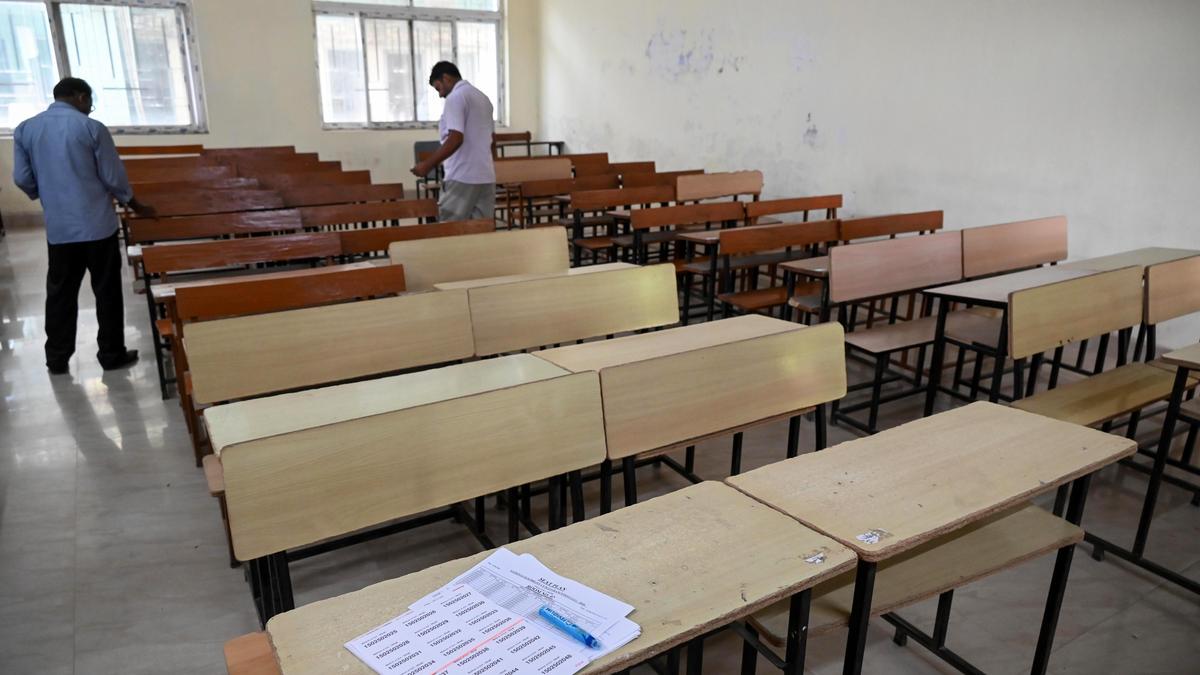
The Union Health Ministry has announced significant reforms for NEET-PG 2026, including a single-shift examination, reduced question counts, and improved center accessibility. These changes aim to enhance security, transparency, and candidate convenience for the 2.73 lakh registered aspirants.
Evolution of the NEET-PG Examination Framework
The Union Health Ministry has unveiled a transformative set of reforms for the National Eligibility cum Entrance Test (Postgraduate) 2026, scheduled for August 30. With a massive cohort of 2,73,183 candidates registered, the government is shifting its operational strategy to prioritize candidate convenience, security, and administrative transparency. By expanding the choice of test locations and refining the examination structure, the Ministry aims to mitigate the logistical burdens traditionally faced by medical aspirants.
Structural Adjustments and Exam Logistics
One of the most significant changes for the 2026 cycle is the transition to a single-shift examination format. This move is designed to ensure uniform assessment across the board, eliminating the variability that can arise from multi-shift testing. Furthermore, the total number of questions has been reduced to 180, effectively increasing the time available per question. This adjustment acknowledges the high-pressure nature of postgraduate medical entrance exams, allowing students to navigate the paper with greater precision and reduced stress.
Enhanced Accessibility and Center Allocation
To address the geographical challenges faced by students, the new policy mandates that candidates provide preferences for three different states for their examination centers. By utilizing over 1,300 centers across approximately 340 cities, the National Board of Examinations in Medical Sciences (NBEMS) is working to ensure that centers are located closer to the candidates' home regions. This change is intended to provide aspirants with more lead time to plan their travel, reducing the physical and financial strain often associated with national-level testing.
Strengthening Security and Integrity
Under the directive of Union Health Minister J.P. Nadda, the government is placing a heavy emphasis on a secure and technology-enabled examination environment. The integration of Aadhaar-based authentication and iris biometrics marks a critical step toward preventing impersonation and ensuring the integrity of the selection process. These security measures are part of a broader mandate to ensure that the examination remains transparent and resistant to malpractice, which is essential for maintaining the credibility of medical PG admissions in India.
Future Implications for Medical Education
These reforms reflect a proactive approach to managing the logistical complexities of India’s massive medical education ecosystem. By streamlining the registration and testing process, the Ministry is not only improving the experience for the 2026 batch but also establishing a template for future examinations. The focus on technology-driven security and center-proximity suggests a long-term trend toward digitizing and decentralizing high-stakes testing, which could serve as a model for other national competitive examinations in the coming years.
Verification Required?