‘My head hit the driver’s window’: A teenager T-boned our car. Will Medicare pay my hospital bills?
Source Entity
Quentin Fottrell
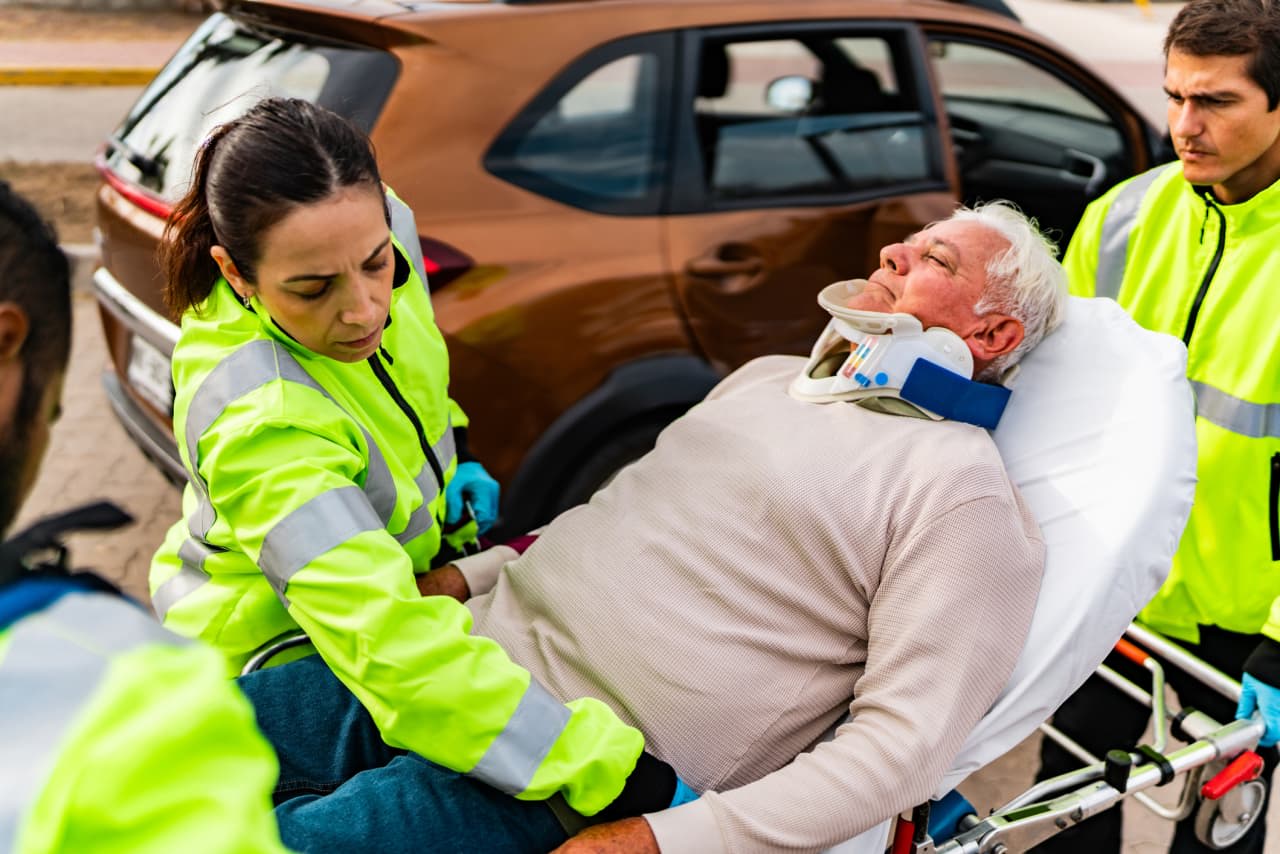
A driver involved in a T-bone accident with a teenager faces significant financial uncertainty regarding medical coverage. The incident highlights the limitations of carrying only liability insurance on older vehicles when medical costs arise.
The Financial Risks of Liability-Only Auto Insurance
When a teenager T-boned the vehicle of an individual driving a nearly 20-year-old car, the immediate physical trauma was exacerbated by a precarious financial reality: the victim possessed only liability and uninsured motorist coverage, lacking collision insurance. This scenario underscores a common dilemma for owners of aging vehicles who opt to reduce insurance premiums by stripping away comprehensive and collision coverage, only to find themselves vulnerable when an accident occurs.
The Intersection of Auto Insurance and Healthcare
In the United States, the hierarchy of who pays for medical bills after a motor vehicle accident is notoriously complex. Liability insurance typically covers damage and injuries caused to others, while uninsured motorist coverage is designed to protect the policyholder if the at-fault party lacks sufficient insurance. However, when an individual relies solely on these base-level policies, they often find that Medicare—or private health insurance—becomes the primary payer for their hospital bills, rather than the auto insurance provider.
Medicare’s Role as a Secondary Payer
The Medicare Secondary Payer (MSP) provisions are a critical component of this analysis. Under federal law, Medicare is generally prohibited from making payments for medical services if another entity, such as an auto insurance policy, is responsible for the payment. This creates a bureaucratic hurdle for victims who must prove that their auto coverage does not apply, or that the at-fault driver’s insurance is insufficient, before Medicare will step in to cover the costs of emergency care and subsequent rehabilitation.
Historical Context and Coverage Trends
Historically, many drivers of older vehicles have viewed collision coverage as an unnecessary expense, calculating that the premiums over time would exceed the actual cash value of the vehicle. While this logic holds for vehicle repairs, it fails to account for the skyrocketing costs of trauma care. As medical inflation continues to outpace vehicle depreciation, the gap between what an old car is worth and what a hospital visit costs has widened significantly, leaving drivers exposed to thousands of dollars in out-of-pocket expenses.
Broader Implications for Policyholders
This incident serves as a cautionary tale regarding the necessity of understanding the 'coordination of benefits' between auto and health insurance. Relying on Medicare for accident-related care can lead to significant delays and potential liens placed on any future settlement money received from the at-fault driver’s insurance. For those operating older vehicles, the lack of collision coverage does not just mean losing a car; it often means losing a layer of financial protection that keeps medical billing separate from personal health insurance claims.
Conclusion and Future Trends
As vehicle safety technology advances, the severity of T-bone collisions remains a significant risk factor for older, less-protected automobiles. Moving forward, it is essential for drivers to reassess their coverage not just based on the market value of their vehicle, but on the potential liability of their own medical expenses. The intersection of aging infrastructure and aging vehicle fleets suggests that financial vulnerability in the wake of accidents will remain a persistent, high-stakes issue for many families.
Verification Required?