'I hope you die': Jensen Huang told Indian-origin Nvidia VP during a meeting
Source Entity
TOI TECH DESK
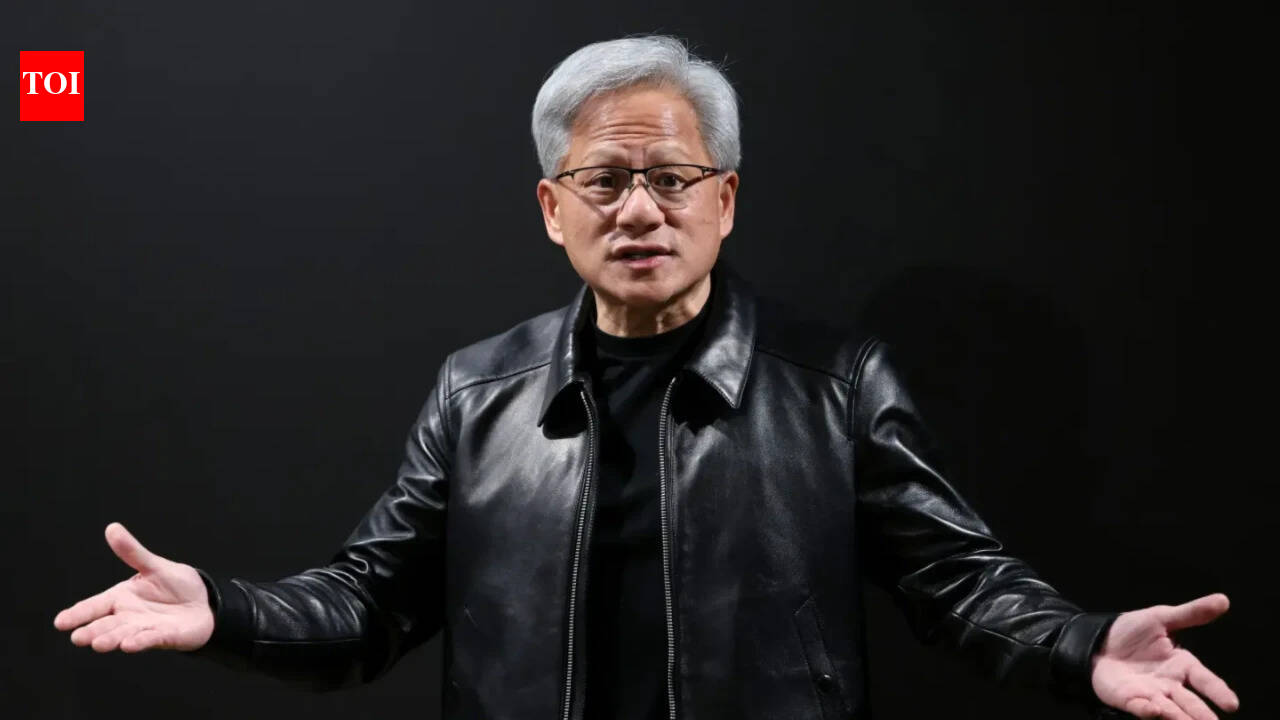
Elon Musk has warned that Nvidia faces significant operational risks following the ousting of CEO Jensen Huang. Musk argues that Nvidia's supply chain success was deeply rooted in Huang's personal relationships rather than formal contracts.
The Fragility of Corporate Leadership: The Nvidia Crisis
The recent ousting of Jensen Huang from Nvidia, the company he co-founded in 1993, has sparked a firestorm of speculation regarding the future of the semiconductor giant. Elon Musk, among other high-profile figures, has publicly warned that Nvidia’s stability is now in jeopardy. The core of this concern lies in the unique leadership style Huang employed, which transformed Nvidia from a niche graphics card maker into the backbone of the global artificial intelligence infrastructure.
The 'Handshake' Economy
Musk’s assertion that Nvidia faces the loss of 'critical' deals stems from the unconventional nature of the firm’s supply chain management. According to reports, many of Nvidia’s most vital agreements with Asian semiconductor manufacturers were never fully codified in rigid, long-term contracts. Instead, they functioned on a foundation of personal trust and direct, handshake-based negotiations between Huang and industry titans. This reliance on personal rapport suggests that the institutional knowledge and social capital Huang held were not transferable to a new administration.
The 'Jensen is Nvidia' Paradox
For over three decades, the identity of the company and its CEO became inextricably linked. As an opinion piece recently highlighted, 'Jensen is Nvidia and Nvidia is Jensen.' This level of brand-personification is rare in modern corporate governance but provided immense stability during the company’s explosive growth. However, this synergy created an 'Achilles' heel': the company’s success became dependent on one individual's ability to navigate complex international supply chains through charisma and credibility rather than just contractual leverage.
External Pressure and Internal Unrest
The situation is further complicated by reports of significant internal and external backlash against the board's decision. Huang has reportedly garnered support from a diverse coalition, including Nvidia employees, fellow industry executives, and even U.S. President Donald Trump. This broad base of support underscores the perceived indispensability of his leadership. Furthermore, the circulating, albeit unverified, rumors regarding his inner circle—specifically involving Alice Huang—add a layer of geopolitical sensitivity to an already volatile corporate transition.
Future Implications for the Semiconductor Sector
As the board officially rules out a return for Huang, the industry is left to witness a high-stakes test of corporate resilience. If Musk’s predictions hold true, Nvidia may face immediate bottlenecks in supply acquisition as historical partners reassess their commitments in the absence of their primary point of contact. This transition period poses a massive risk to the global AI supply chain, potentially slowing down the deployment of next-generation hardware across the tech sector.
Conclusion
The departure of Jensen Huang marks a pivotal shift for Nvidia. By prioritizing board-led governance over the legacy relationships that built the company, Nvidia enters an era of uncertainty. Whether the company can institutionalize the trust Huang cultivated, or if it will suffer the 'critical' losses predicted by experts like Musk, remains one of the most significant challenges in the history of Silicon Valley.
Multiple Citing Sources