‘Hardest meeting of my life’: Huang apologises to Nvidia staff after CEO comeback
Source Entity
VIJAYA SRIVASTAVA
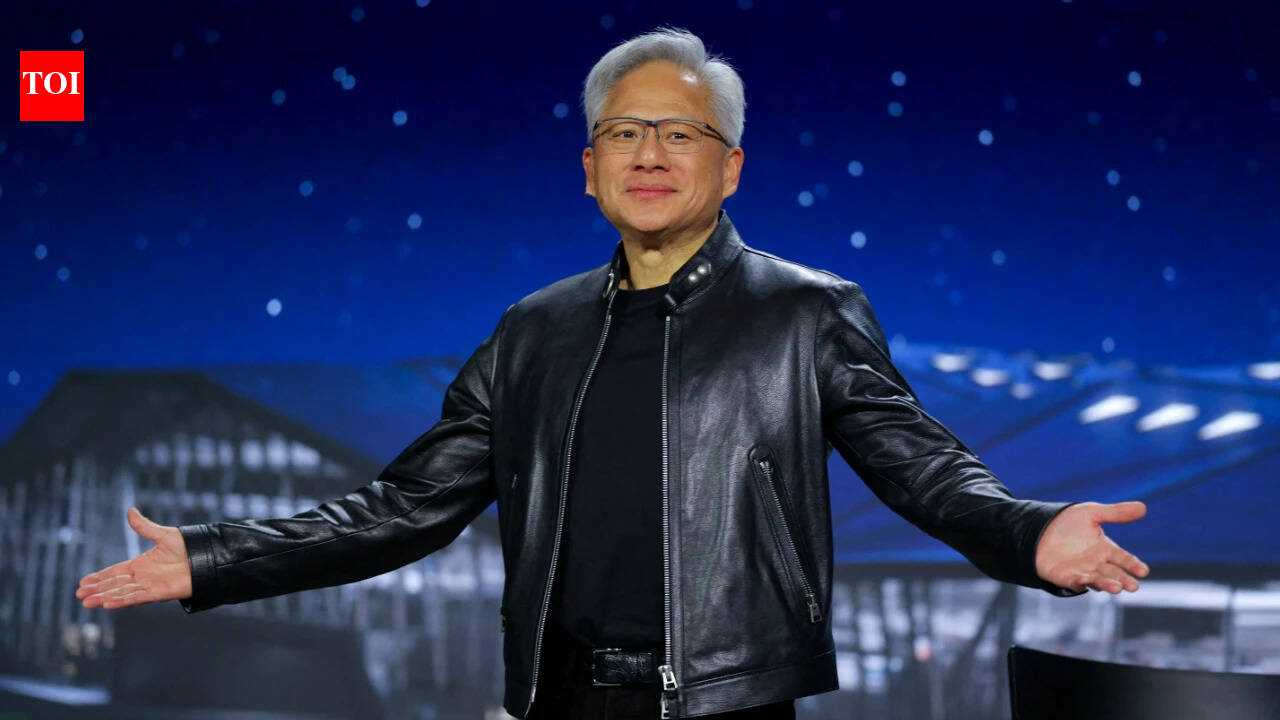
Nvidia CEO Jensen Huang has returned to his post following a brief resignation, sparking both market volatility and intense political scrutiny. While his reinstatement initially boosted Nvidia's value, the intervention by President Trump has raised significant concerns regarding corporate governance and national security implications.
The Nvidia Leadership Crisis: A Crossroads for Corporate and National Security
The abrupt resignation and subsequent reinstatement of Nvidia CEO Jensen Huang has sent shockwaves through both the technology sector and the corridors of political power. After an initial market surge that added over $900 billion in value to the company, the euphoria surrounding Huang's return has rapidly dissipated. As of Tuesday, tech shares led a market retreat, with Nvidia stock dropping nearly 9% mid-session, signaling that investors are bracing for sustained volatility in the artificial intelligence sector.
Political Interference and National Security
The situation took a geopolitical turn when President Trump intervened, effectively forcing the Nvidia board to restore Huang to his position. This move has drawn sharp criticism from observers who argue that the intervention sets a dangerous precedent. By involving the executive branch in private corporate governance, the administration has arguably signaled to global adversaries—specifically Beijing, Tehran, and Moscow—that U.S. national security policy is now susceptible to economic vetoes and political pressure.
The 'Price' of Intervention
President Trump’s rationale for the intervention was framed as a protective measure for national security, yet the broader implications remain highly contentious. Critics argue that by framing the CEO's temporary departure as a 'tremendous loss' that affected the global perception of the United States, the President has inadvertently politicized a critical engine of the American economy. The concern is that this creates a narrative where private corporate interests are inextricably and dangerously linked to executive political maneuvering.
Internal Accountability and Cultural Reform
Beyond the geopolitical landscape, the internal state of Nvidia remains in flux. In his first all-hands meeting following his return, Huang addressed employees directly, apologizing for "very serious personal mistakes" that affected both his family and his professional conduct. Huang acknowledged that he is currently undergoing daily therapy and has pledged to adhere strictly to the company’s code of conduct. He emphasized that this accountability applies to leadership as much as it does to the staff.
Future Trends and Corporate Transparency
To restore stability, Huang has committed to implementing regular performance reviews and fostering greater transparency within the organization. He specifically sought to reassure female employees of his commitment to an inclusive work environment, characterizing himself as an advocate for their advancement. However, the market’s reaction suggests that employee apologies and internal policy shifts are only part of the equation; investors remain wary of the underlying volatility in the AI sector.
Concluding Outlook
As Nvidia moves forward, it faces a dual challenge: restoring investor confidence amid a volatile market and navigating the complexities of its new, highly politicized status. The intersection of leadership accountability, corporate autonomy, and national security will likely dictate the company's trajectory. Whether these reforms can insulate the firm from further political intervention or market instability remains the central question for stakeholders in the coming fiscal quarters.
Multiple Citing Sources