Democrat Accuses Nvidia CEO Of Violating US Export Control Law
Source Entity
NDTV News Search Records Found 1000
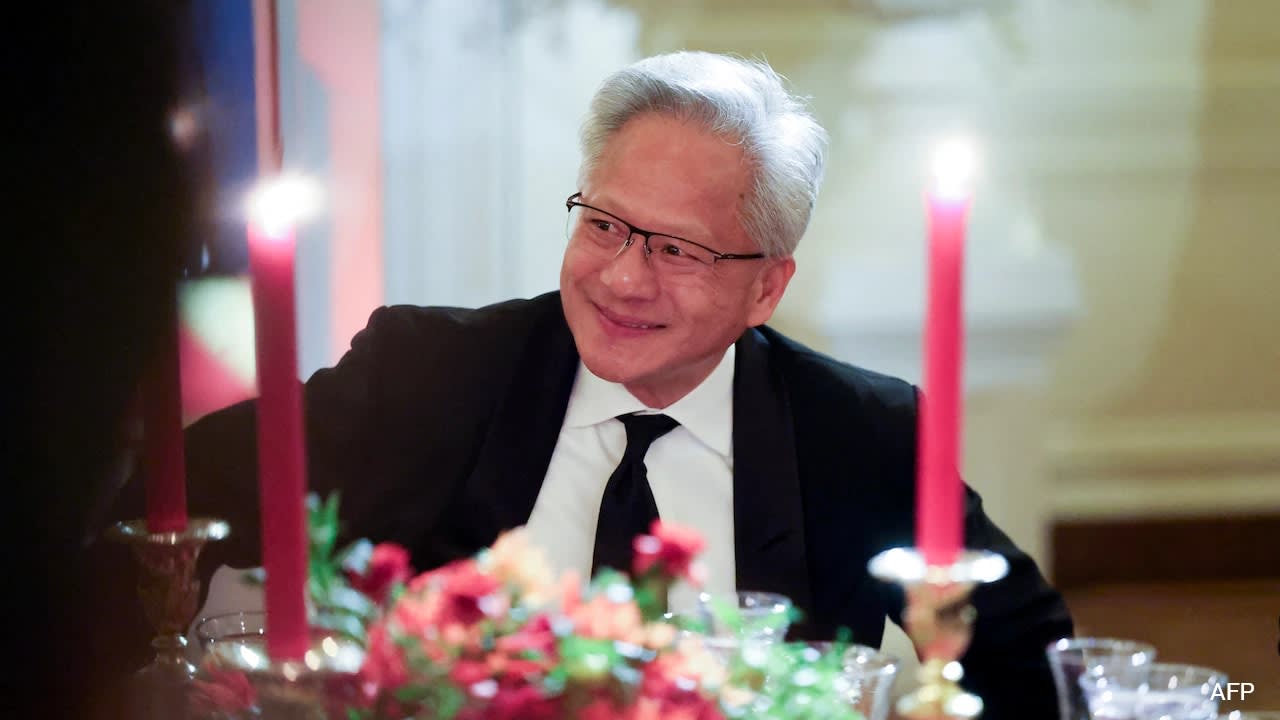
Nvidia's market volatility continues despite CEO Jensen Huang's controversial reinstatement by President Trump. Investors remain skeptical of the AI sector's long-term sustainability as broader economic and national security concerns emerge.
The Volatile Intersection of AI, Markets, and Politics
The recent turbulence surrounding Nvidia and the return of CEO Jensen Huang has laid bare the fragility of the current artificial intelligence market boom. While Huang’s reinstatement initially triggered a massive $900 billion surge in market value, this euphoria proved ephemeral. The subsequent mid-session retreat, characterized by a nearly 9% drop, underscores a fundamental shift in investor sentiment that extends far beyond the leadership drama at a single firm.
Pre-existing Market Vulnerabilities
It is critical to note that the anxieties surrounding the AI sector did not originate with the recent executive scandal. Nvidia shares had already been trending downward, losing nearly 30% of their value over the preceding six months. This trend suggests that the "super-bounce" was a reaction to a singular event rather than a correction of underlying market fundamentals. The broader tech sector is clearly grappling with questions regarding the long-term profitability and staying power of AI-driven infrastructure.
The Anthropic Litmus Test
The market's jittery state is further exemplified by the performance of Anthropic. As the first purely AI company to go public, its lower-than-expected trading performance serves as a sobering barometer for investor appetite. If the pioneers of the sector struggle to maintain value shortly after flotation, it signals that the initial wave of speculative investment may be receding, leaving companies to justify their valuations based on tangible, long-term revenue rather than mere technological promise.
Political Intervention and National Security
The most profound development in this narrative is the direct intervention of President Trump in a corporate board decision. By publicly claiming credit for reinstating Huang, the administration has blurred the lines between private corporate governance and national economic policy. While the President framed the move as an attempt to prevent a "tremendous loss" to the market and national perception, critics argue that this sets a dangerous precedent. By involving the executive branch in internal corporate leadership, the administration may have inadvertently signaled that U.S. national security policy is subject to economic vetoes, a vulnerability that global adversaries like Beijing, Tehran, and Moscow are likely to monitor closely.
Future Implications for Tech Governance
Looking forward, the integration of political pressure into Silicon Valley's executive suites poses a significant risk to market stability. Investors are now forced to account for a new variable: the "political risk premium" attached to major tech firms. As the sector continues to drive global economic growth, the potential for further volatility remains high. The market is clearly bracing for a period of recalibration, where the "AI boom" must transition from a narrative of hype to a record of sustainable, policy-resilient growth.
Multiple Citing Sources
Verification Required?